
Last updated September 23, 2026
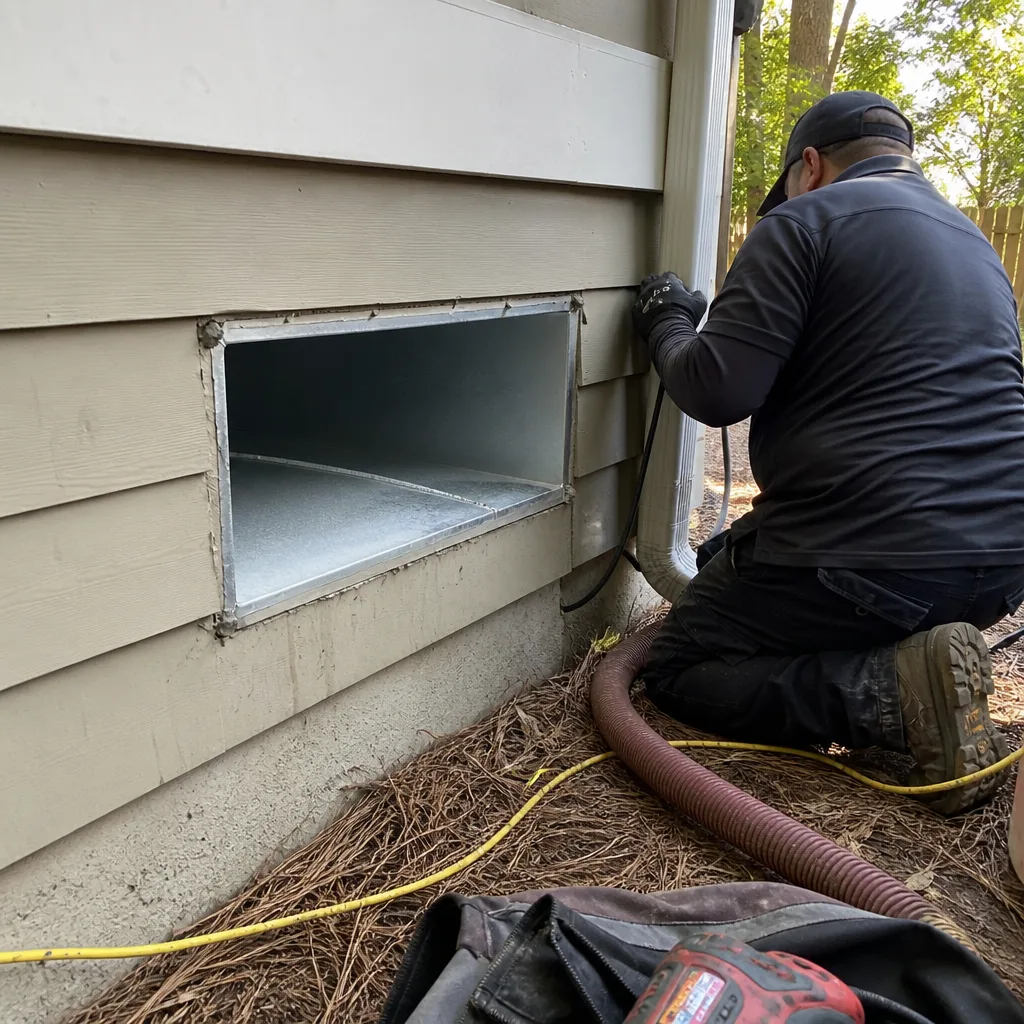
Whole-system duct and dryer vent check with before-and-after photos - you see exactly what came out of your vents
That "$99 whole-house special" is a bait ad - the real number appears once they are in your hallway, or the "clean" is a shop-vac at the register. We photograph the inside of your ducts before and after instead.
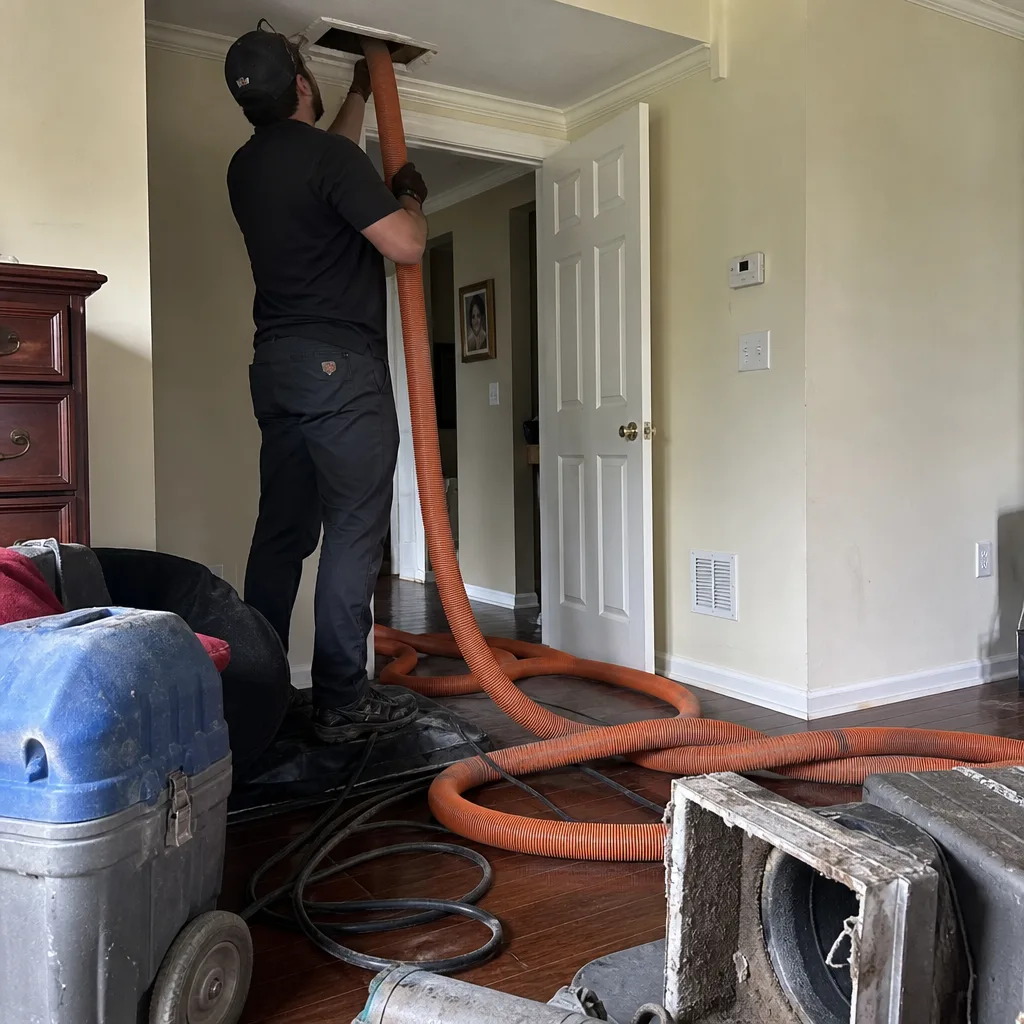 Before
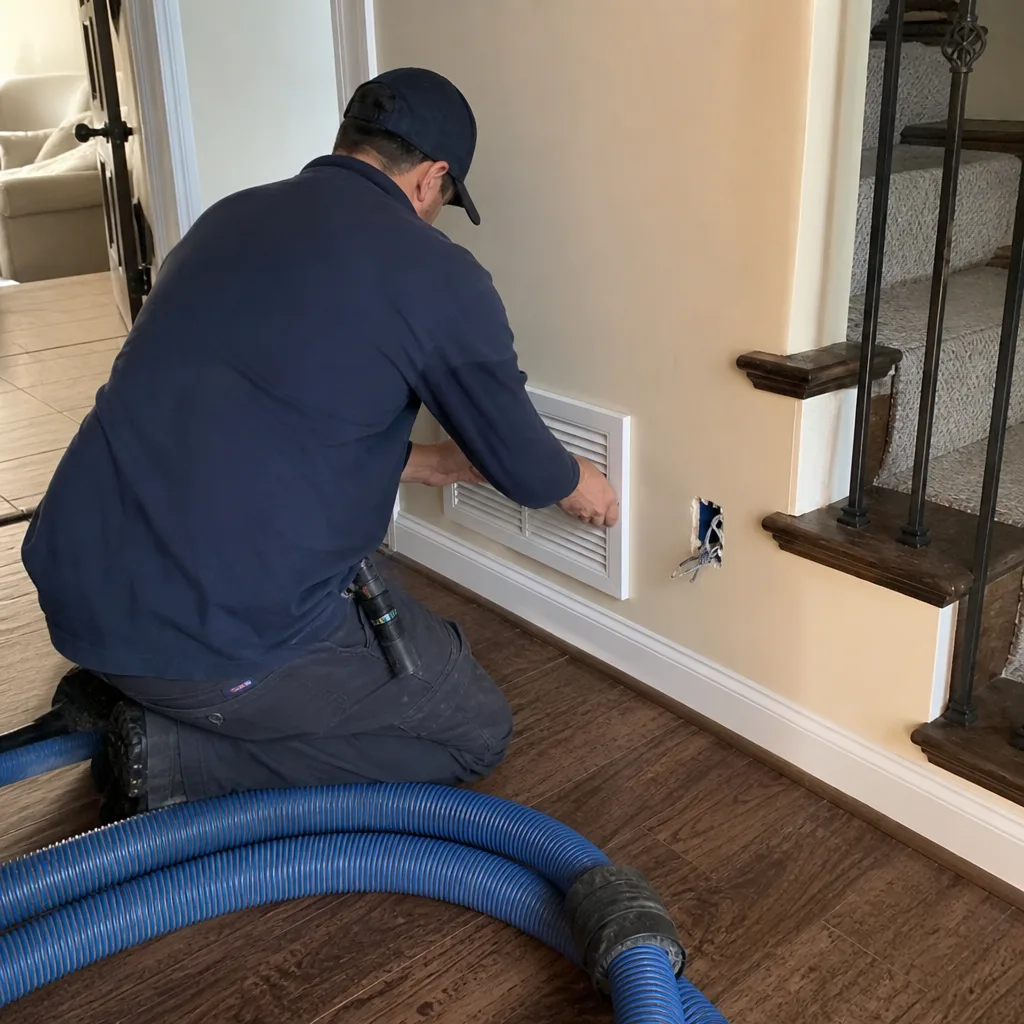 After
After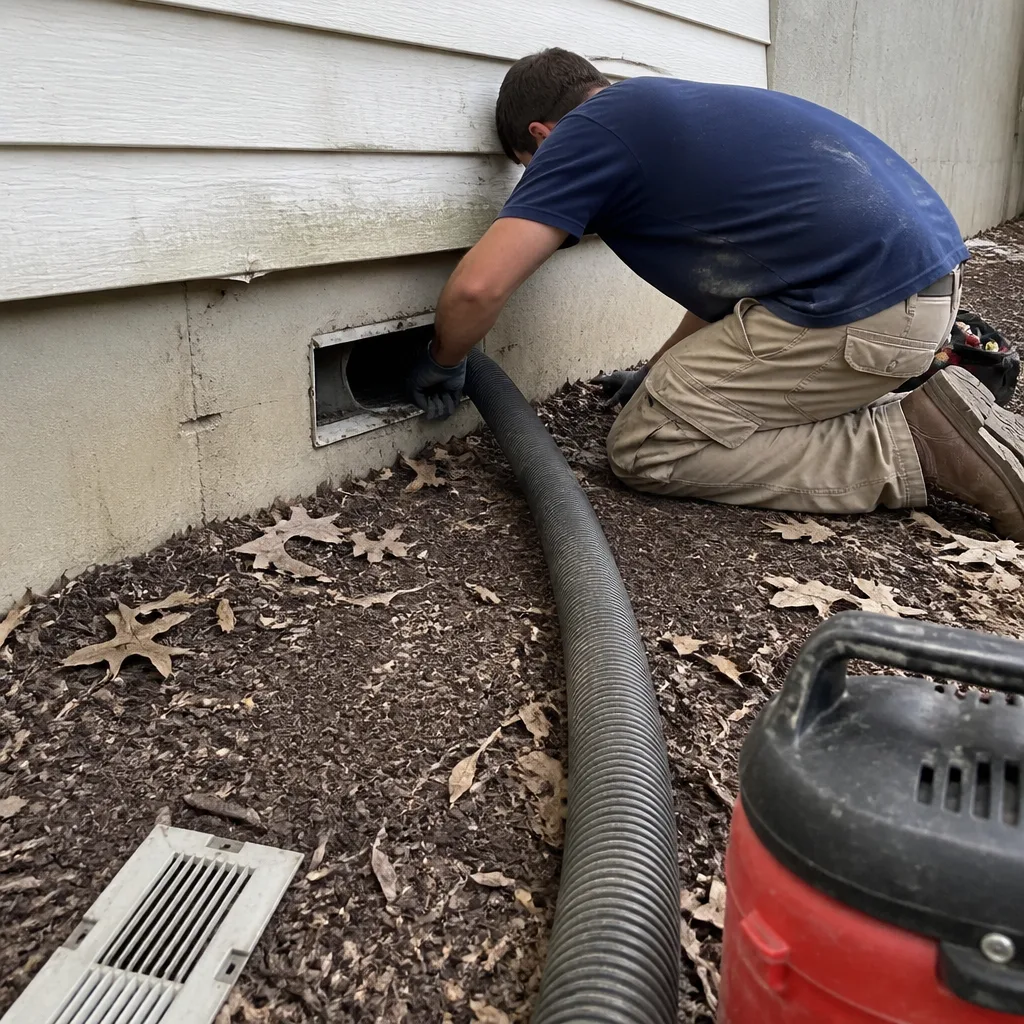 Before
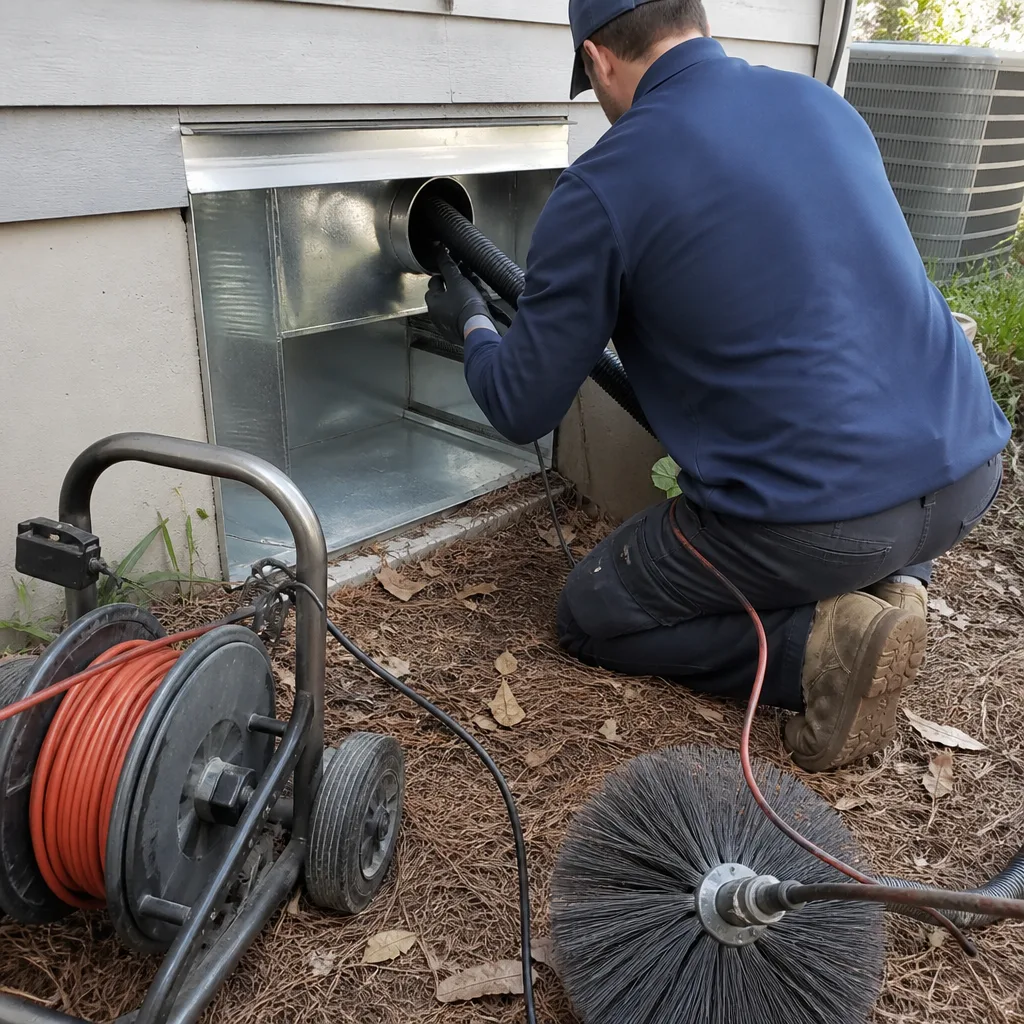 After
After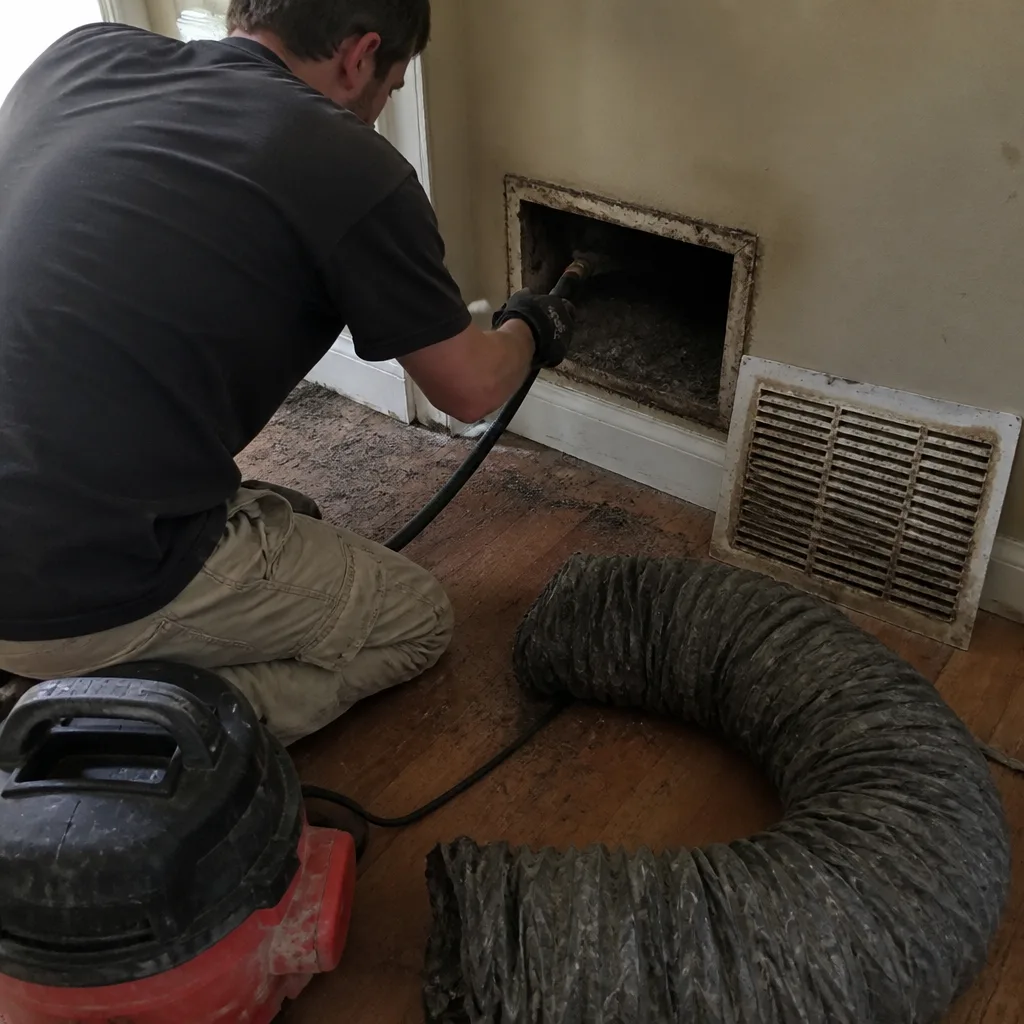 Before
 After
AfterAir Duct Cleaning Permits, Codes & Inspections in GA: What You Need to Know
If a technician cuts into your ductwork to access a collapsed section and patches it without a permit, that repair doesn’t exist on record. In Georgia, that matters the moment you sell the house, refinance, or file a homeowner’s insurance claim for air quality or fire damage. We’ve been serving Cumming since 2013, and we’ve seen unpermitted duct repairs stall closings in Forsyth County and trigger coverage disputes after kitchen fires where compromised duct runs were cited as contributing factors. Our Complete Guide to Air Duct Cleaning in Cumming draws the precise line between what is and isn’t regulated under Georgia’s State Minimum Standard Mechanical Code, with specific steps to verify compliance in Forsyth County.
Quick Answer
Air duct cleaning itself does not require a permit anywhere in Georgia. However, duct repair, replacement, or sealing that alters the mechanical system typically does require a permit under the State Minimum Standard Mechanical Code, and the final inspection sign-off must be recorded with the county. In Forsyth County, mechanical permits for residential ductwork run approximately $150-$400 depending on scope, with inspections scheduled through the Development and Inspections office.
Table of Contents
- Cleaning vs. Repair: Where Georgia Draws the Line
- Georgia’s State Minimum Standard Mechanical Code: The Exact Threshold
- Forsyth County Permits: Fees, Timeline, and Final Inspection
- When Duct Sealing Requires Documentation
- How Unpermitted Work Affects Homeowner’s Insurance in Georgia
- How to Verify a Contractor’s Permit and Inspection Record
- Common Mistakes to Avoid
- When to Call a Professional
- Frequently Asked Questions
- The Bottom Line
BeforeAfterCleaning vs. Repair: Where Georgia Draws the Line
The distinction seems simple until you’re standing in your crawlspace watching a technician cut a hole in your plenum, the large central chamber that distributes conditioned air to each duct run. In Georgia, this distinction carries legal weight.
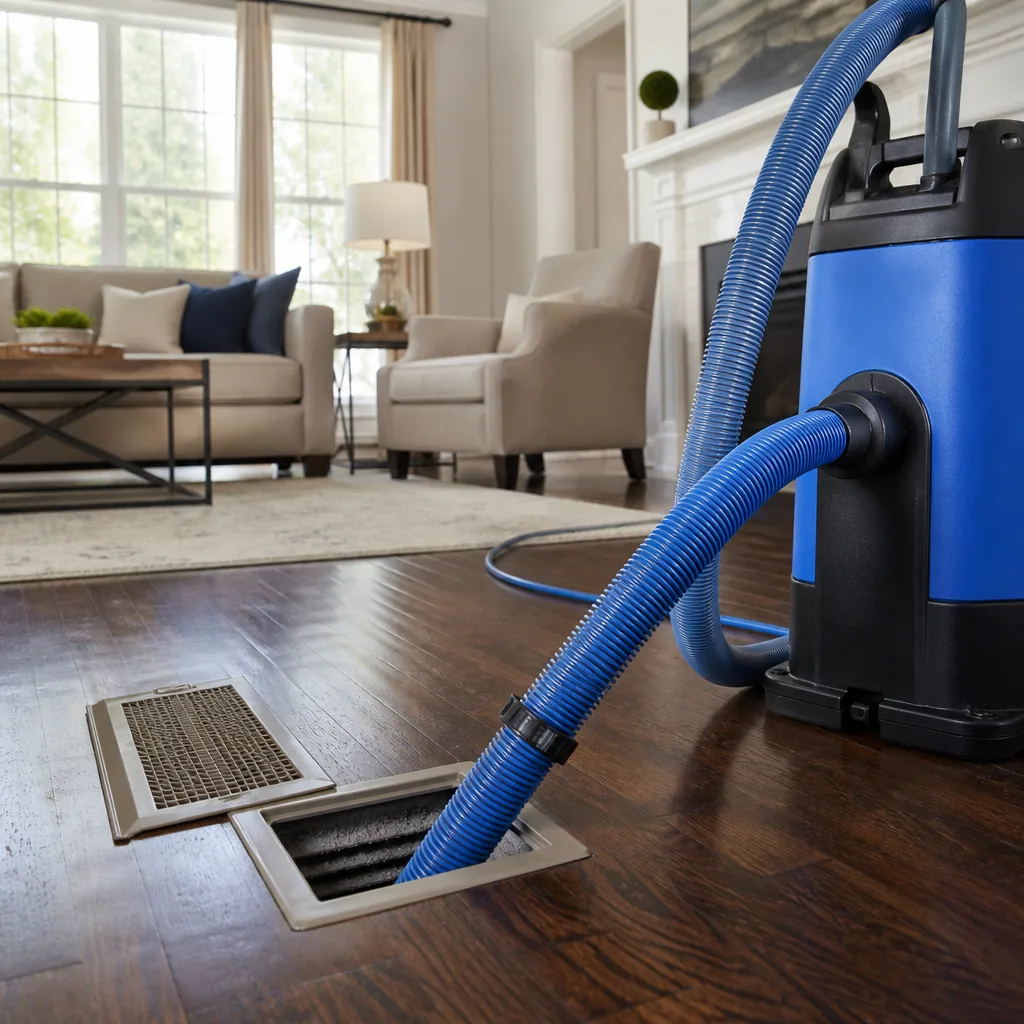
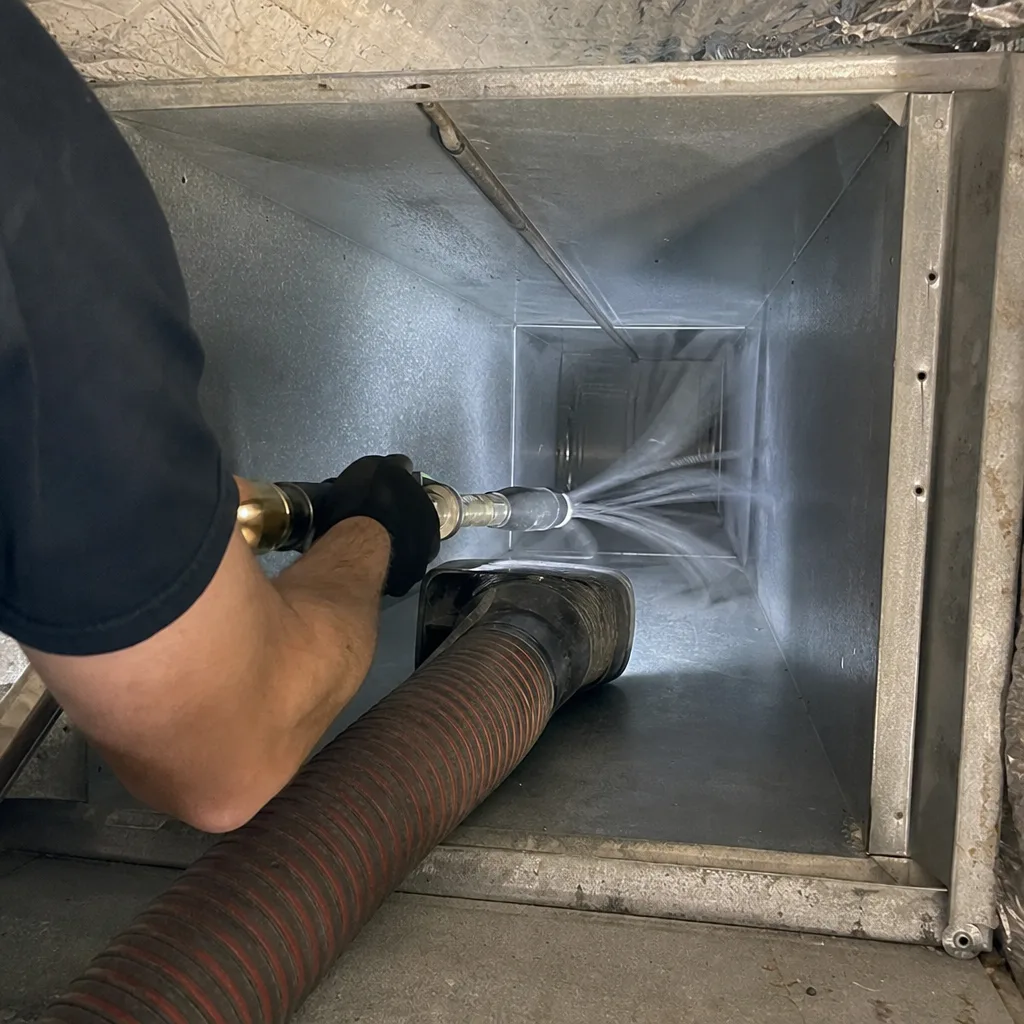
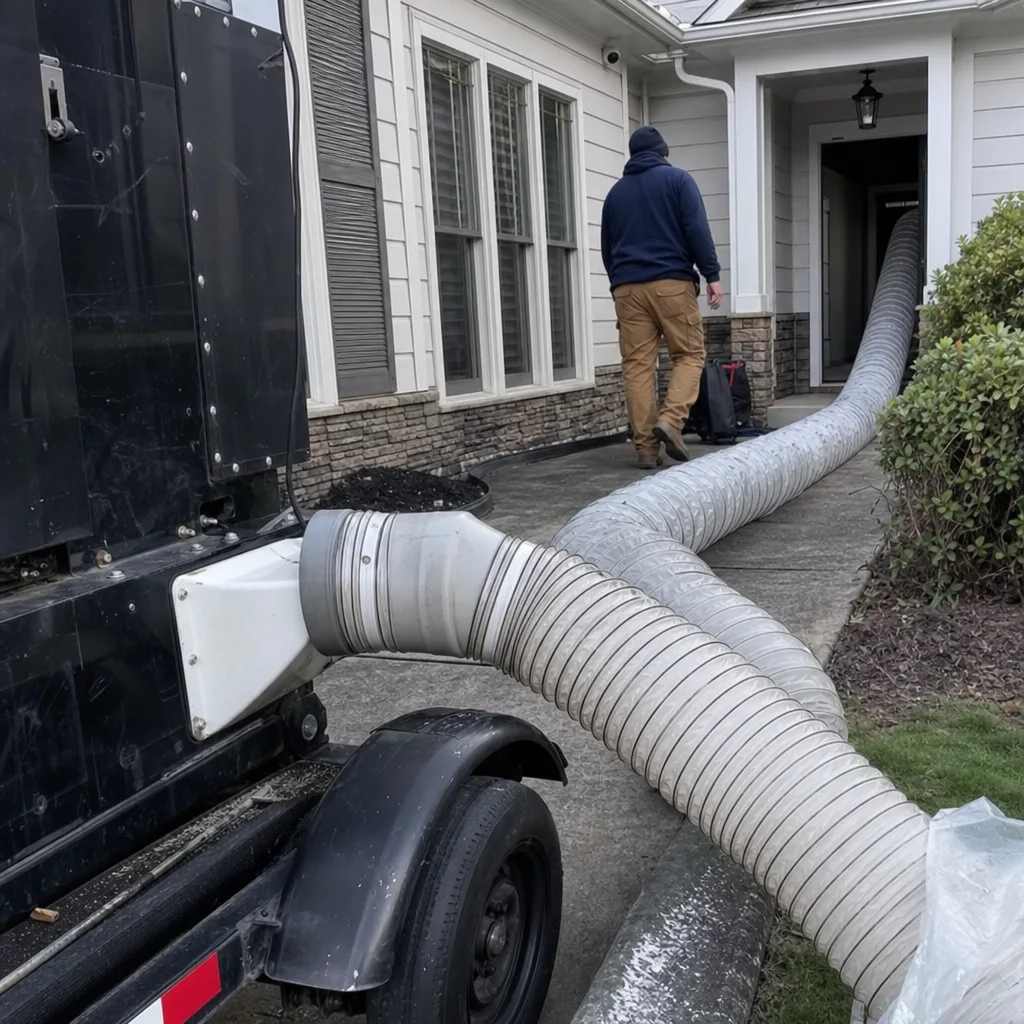
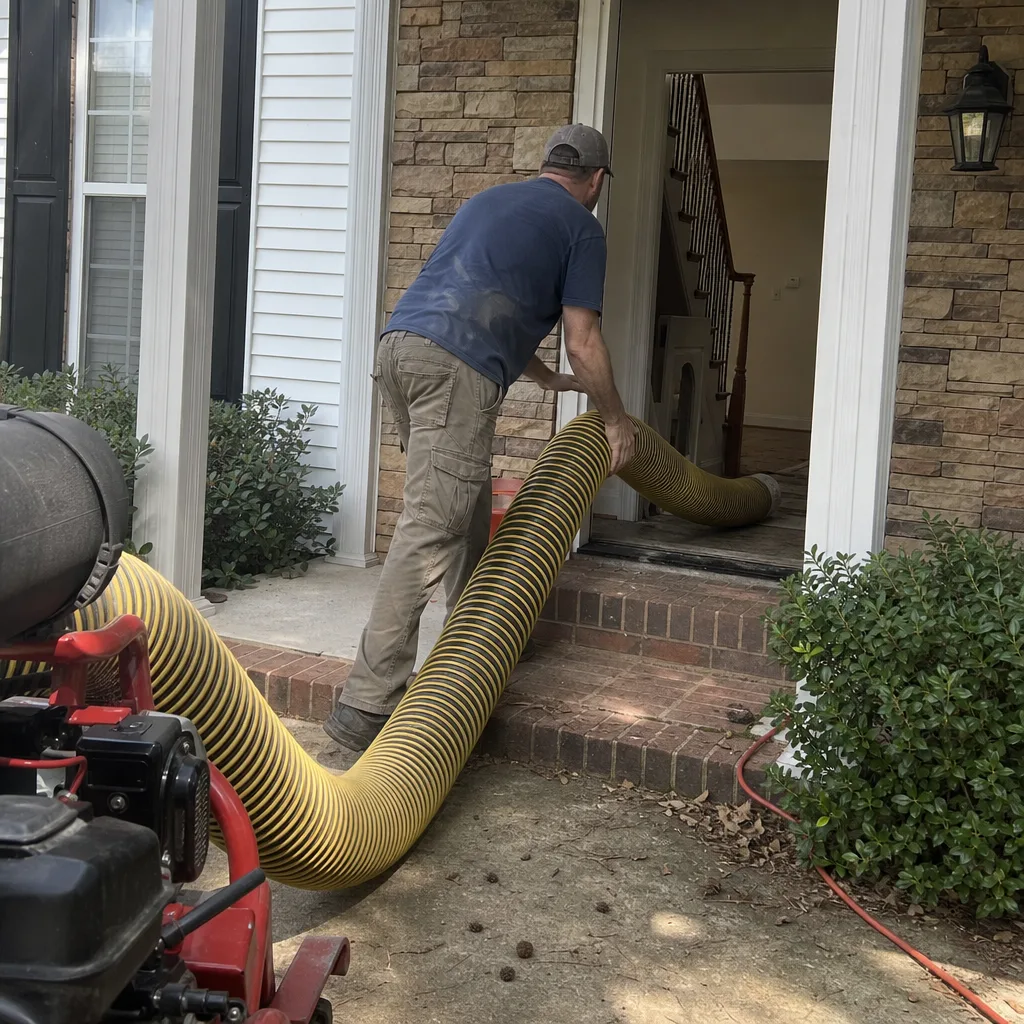
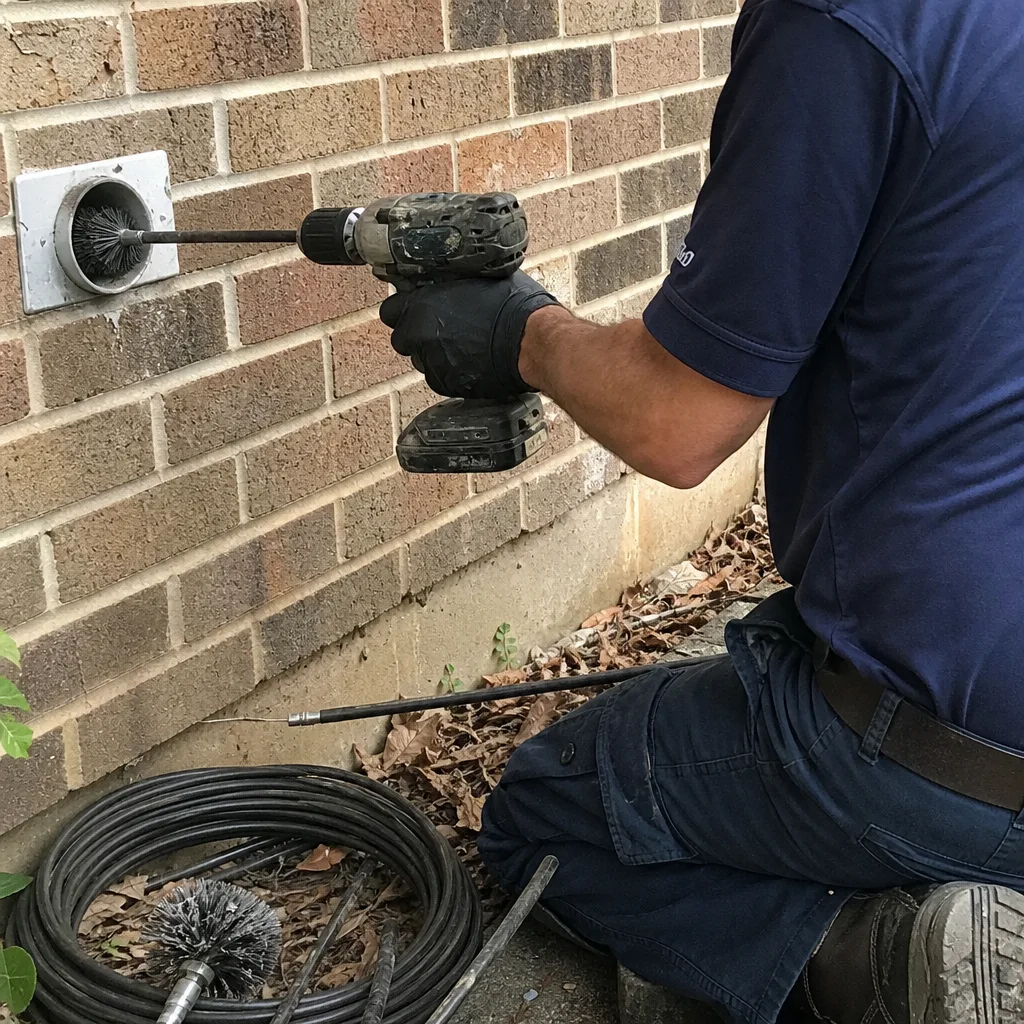
Cleaning (no permit required): Negative-pressure extraction, rotary brushing, and compressed air washing of existing duct runs, registers, and the plenum do not constitute construction or alteration under state code. The system remains physically unchanged. We use Rotobrush and Nikro equipment for this work in Cumming homes, and no permit application is filed.
Repair or replacement (permit typically required): Cutting into the plenum or any duct run to remove collapsed sections, patching with new sheet metal, replacing flex duct, or installing new register boots changes the mechanical system’s physical configuration. This crosses into regulated work.
Here’s where homeowners get caught: many duct cleaning jobs reveal damage that needs addressing. A 2021 Air Duct Cleaning job on Castleberry Road in Cumming showed us a completely separated flex duct run in a 2017-built home, the result of a builder-grade zip-tie connection that failed. The cleaning couldn’t proceed without accessing that section, which required cutting the plenum. We stopped, explained the permit requirement, and quoted the repair separately with permit costs included.
Some competitors complete the cut, patch with tape, and leave. No permit. No inspection. No record. The homeowner has no documentation that the repair met code for static pressure, material gauge, or fire rating.
The climate in Cumming accelerates this problem. Our humid subtropical summers, with July averages above 87°F and frequent 90%+ humidity days, place constant load on HVAC systems. Duct runs in vented attics expand and contract through thermal cycling. Flex duct with failed connections is common in homes built during the 2015-2020 construction rush in Forsyth County. When a technician finds this during cleaning, the homeowner faces a decision: stop the job, permit and repair properly, or accept an undocumented fix that saves a few hundred dollars today and costs thousands at closing. For Air Duct Cleaning Warning Signs: A Cumming Homeowner’s Reference Guide, see our dedicated resource.
Georgia’s State Minimum Standard Mechanical Code: The Exact Threshold
Georgia operates under the State Minimum Standard Mechanical Code, currently based on the International Mechanical Code (IMC) with state amendments. The relevant threshold appears in Chapter 1, Section 105: “A permit shall be obtained prior to the erection, construction, installation, alteration, or repair of any mechanical system.”
The critical word is “alteration.” The Georgia Department of Community Affairs, which administers the state code, interprets this to include:
- Replacement of more than 10 linear feet of ductwork in a single system
- Any modification to the plenum, including access cuts that are not resealed to original specifications
- Installation of new register boots or relocation of existing supply or return openings
- Duct sealing that involves application of mastic or tape to joints that were originally unsealed, when performed as part of a repair scope
What does not require permit under standard interpretation:
- Removal and reinstallation of register covers for cleaning access
- Insertion of rotary brushes, whip systems, or vacuum hoses through existing openings
- Application of temporary or maintenance-grade sealant to existing sealed joints that have degraded, provided no disassembly occurs
The 10-foot threshold matters. We’ve documented jobs in Cumming’s Vickery Village area where competitors replaced 30+ feet of collapsed flex duct without permits, claiming the work was “part of cleaning.” That’s not cleaning. That’s mechanical alteration requiring inspection for proper support spacing, insulation R-value, and connection method.
Local jurisdictions can adopt stricter requirements. Forsyth County has not added mechanical code amendments beyond the state minimum, but the county’s Development and Inspections office has issued guidance that any ductwork modification affecting airflow distribution in a residential system should be permitted and inspected. Their inspectors check for proper flex duct support (every 4 feet maximum, per IMC 603.9), minimum 1-inch clearance from combustibles, and sealed connections at the plenum.
For homeowners, the practical test is this: if the technician needs tools that cut, fasten, or fabricate metal, ask about permits before work proceeds. If they dismiss the question, that’s a signal.
Forsyth County Permits: Fees, Timeline, and Final Inspection
Forsyth County Development and Inspections processes mechanical permits through their online portal and in-person at 110 E. Main Street, Suite 150, Cumming. For residential ductwork repair or replacement, the process follows these steps:
- Application submission: The licensed contractor submits a mechanical permit application with scope description, system type, and square footage served. Homeowner self-permits are permitted in Forsyth County for single-family residential work, but most HVAC and duct contractors prefer to pull permits under their license for liability reasons.
- Plan review (if triggered): Simple duct repairs typically bypass plan review. New duct systems or modifications affecting more than 50% of distribution require plan review, adding 3-5 business days.
- Fee calculation: Forsyth County charges a base permit fee plus valuation-based fees. For typical residential duct repair scopes in Cumming ($2,000-$5,000 valuation), total permit fees run $150-$400. The base mechanical permit fee is approximately $85 as of 2024, with additional fees at roughly $10 per $1,000 of job value above minimum thresholds.
- Permit issuance: Same-day for walk-through applications without plan review. Online applications typically process within 24 hours.
- Work completion and rough inspection: For duct-only work, this is often the only inspection. The inspector verifies material specifications, support methods, and sealed connections. In Cumming’s unincorporated areas and the city proper, Forsyth County inspectors schedule next-day or two-day availability for residential mechanical inspections.
- Final inspection and certificate of completion: Triggered when the repair connects to active HVAC equipment or when the scope includes equipment modification. The inspector runs the system to verify airflow at registers and checks for leaks with smoke pencil or thermal imaging. Final inspection sign-off generates the certificate that should be filed with your job records.
The timeline from application to final inspection typically runs 5-10 business days for straightforward duct repair in Cumming, assuming no plan review and prompt scheduling. Weather delays can extend this; Forsyth County does not conduct exterior mechanical inspections during severe weather events, which are most common in our March-May storm season.
What triggers a final inspection requirement specifically: any repair that involves the air handler, heat exchanger, or refrigerant lines connected to the duct system. Pure duct replacement without equipment touch typically requires only rough inspection. However, Forsyth County inspectors have discretion to require final inspection if the repair scope exceeds 50% of distribution ductwork or if the home has a history of code violations.
We include permit costs in every repair quote at CleanRun Air Duct Cleaning Cumming, with the permit number written on the scope document before work begins. Haven Standard Clause 1 requires written price before any work starts; we extend that to permit fees, inspection scheduling, and the expected timeline for certificate delivery.
When Duct Sealing Requires Documentation
Duct sealing sits in a regulatory gray zone that confuses homeowners and contractors alike. The distinction matters for both permit requirements and energy efficiency program participation.
Maintenance-grade sealing: Application of foil tape or mastic to existing joints that have degraded, performed without disassembling connections, is generally treated as maintenance. No permit. This is common follow-up to cleaning in Cumming homes where our camera shows minor leakage at register boots or plenum seams.
Repair-grade sealing: Disassembly of duct connections, removal of failed tape or mastic, and reassembly with new sealing materials constitutes repair. This typically requires permit if the disassembly exposes the duct interior or if the connection method changes (for example, replacing a taped flex-to-plenum connection with a mechanical clamp and sealed collar).
Performance-grade sealing: Aeroseal or similar injected sealant technologies that seal from the interior are treated as mechanical system modifications in many Georgia jurisdictions. Forsyth County has not issued specific guidance on aerosol-based sealing, but we recommend permitting as a conservative practice. The material is classified as a duct coating, and coatings applied to interior duct surfaces fall under IMC Chapter 6 requirements for material safety and application method.
Georgia Power’s Home Energy Improvement Program and similar utility rebates add another layer. To qualify for duct sealing rebates, which range from $200-$500 depending on measured leakage reduction, the work must be performed by a program-certified contractor with pre- and post-sealing blower door or duct blaster documentation. The rebate application requires contractor certification number and test results, not a building permit, but the documentation standard is comparable.
In Cumming’s 30040 and 30041 ZIP codes, we’ve performed sealing work in homes seeking Georgia Power rebates after failed initial tests showed leakage above 15% of conditioned floor area. The rebate process creates its own paper trail that satisfies most resale disclosure requirements, even when no building permit was technically required.
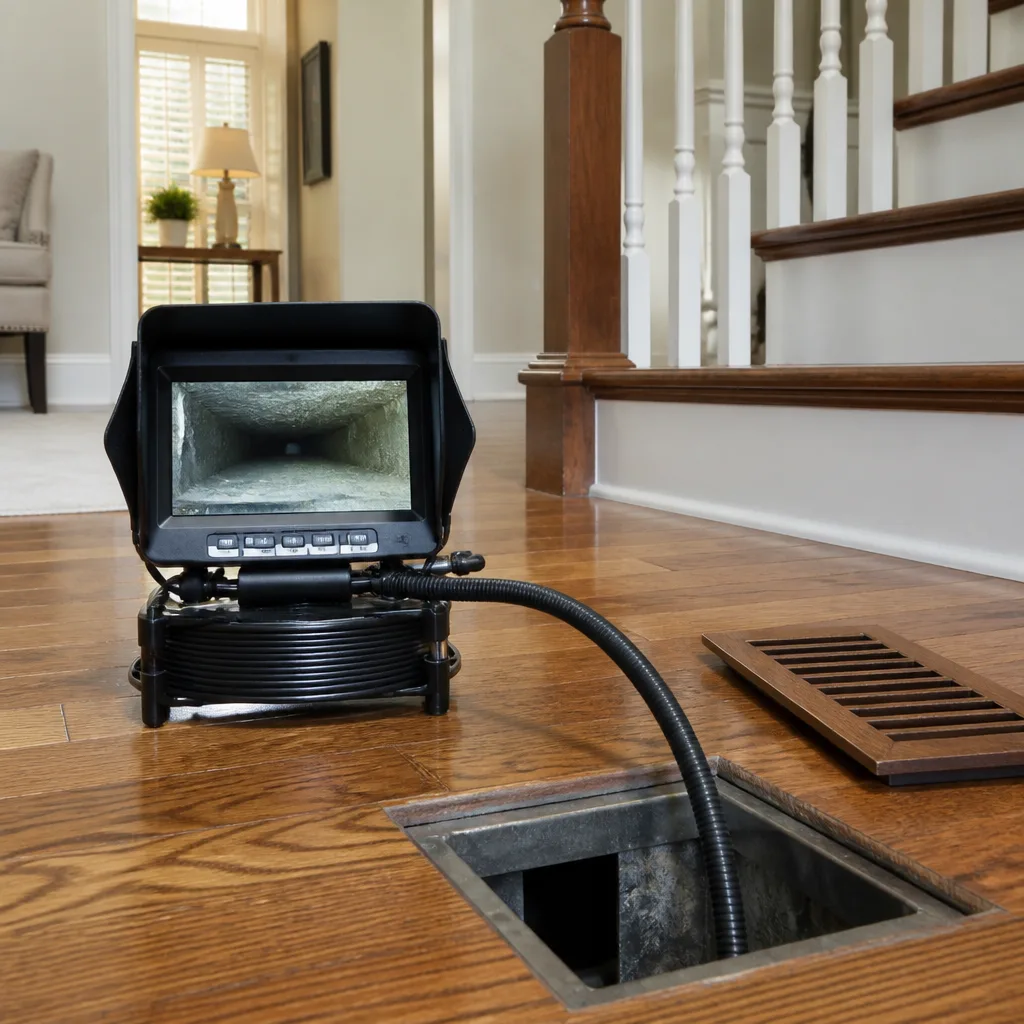
Our practice: we photograph every sealed joint with date stamp, note the sealant type (mastic, foil tape, or injected), and include this in the Documented Photo Record delivered with every job. If the sealing crossed into repair territory, the permit number and inspection date appear on the same document. This creates a unified record that satisfies disclosure requirements, rebate applications, and insurance documentation without the homeowner hunting through multiple files.
How Unpermitted Work Affects Homeowner’s Insurance in Georgia
This is the point competitors rarely address, and it’s where the $150 permit fee becomes trivial.
Georgia homeowner’s insurance policies contain standard provisions requiring disclosure of known structural and mechanical alterations. The exact language varies by carrier, but State Farm, Allstate, and Farmers policies in Georgia typically include language similar to: “You must notify us of any alterations, additions, or repairs exceeding $5,000 or affecting structural, electrical, plumbing, or HVAC systems.”
Unpermitted duct repairs create three specific insurance risks:
- Claim denial for fire damage: If a fire originates in or spreads through compromised ductwork, and the insurer discovers unpermitted repairs that affected fire blocking or clearance to combustibles, coverage for that portion of damage may be denied. We’ve reviewed cases in metro Atlanta where insurers denied $40,000+ in smoke damage claims after discovering unpermitted flex duct routed through a garage ceiling without proper fire-rated enclosure.
- Air quality claim disputes: Mold or contamination claims related to HVAC systems can be denied if unpermitted modifications altered airflow patterns in ways that contributed to moisture accumulation. A 2019 case in Gwinnett County, cited in Georgia insurance regulatory filings, involved unpermitted duct additions that created negative pressure in a crawlspace, drawing moisture through compromised vapor barriers.
- Resale liability transfer: Georgia’s seller disclosure form (GAR Form F316) requires disclosure of “any additions, structural modifications, or other alterations made without required permits.” Unpermitted duct repairs must be disclosed. Failure to disclose exposes sellers to post-closing liability, and discovery during buyer inspection typically triggers repair credits or price reductions exceeding the original permit cost by 10-20x.
In Cumming’s active resale market, where homes built 2015-2020 turn over frequently as families upgrade, this disclosure requirement bites regularly. We’ve been called to document and permit-bring-current duct repairs performed by previous owners, typically at 3-5x the cost of original permitted work due to access complications and the need to expose connections for inspector verification.
The documentation we provide, Haven Standard Clause 4: Documented Record, is designed for this contingency. Every photo, every permit number, every inspection date becomes part of the home’s maintenance file that transfers with sale. Our customers in Cumming’s Windermere and Brannon Oak Farm subdivisions have used these records to satisfy buyer inspection requests without additional work or credit demands.
How to Verify a Contractor’s Permit and Inspection Record
Verification is straightforward and should be performed before work begins, not after. Forsyth County provides public access to permit records through multiple channels.
- Online permit lookup: Forsyth County’s Development and Inspections portal at forsythco.com allows permit searches by property address or permit number. Enter the property address to view active and closed permits, inspection status, and final sign-off dates. The system updates within 24 hours of inspection completion.
- Direct inquiry: Call Forsyth County Development and Inspections at (678) 693-5322 with the permit number. Staff can confirm issuance date, scope description, and inspection status. We provide this number on every repair quote at CleanRun Air Duct Cleaning Cumming for customer verification.
- Certificate of completion: Request this document from your contractor after final inspection. It should show the permit number, inspection dates, and inspector signature or electronic approval code. File it with your home records.
- Contractor license verification: Georgia requires conditioned air contractors to hold a license from the State Construction Industry Licensing Board. Verify at sos.ga.gov/plb. The license should be active and in the company name performing the work, not a subcontractor or “qualifier” arrangement.
Red flags that suggest permit avoidance:
- The contractor suggests “we can just clean it and fix that spot while we’re in there” without mentioning permits
- Scope documents describe repair work but show no permit fee line item
- Verbal assurance that “this is too small to need a permit” for work involving cutting, fabrication, or replacement
- Refusal to provide permit number for verification before work starts
Our written scope documents under Haven Standard Clause 1 include: permit status (required/not required), permit fee if applicable, expected inspection dates, and the certificate delivery timeline. If a competitor won’t provide equivalent documentation, that absence is information.
Common Mistakes to Avoid
- Assuming “duct cleaning” covers everything. The industry term is narrow. If your estimate includes repair language, replacement materials, or sealing scope, permit requirements may apply. Read the scope document carefully before signing.
- Accepting verbal permit assurances. A contractor who says “I’ll take care of it” but won’t show you the permit application or number before work begins may never file. Forsyth County permits are public record; verification takes two minutes.
- Ignoring permit costs in price comparisons. A $1,200 duct repair quote without permit fees versus a $1,500 quote with permit included is not a $300 savings. It’s a $1,200 gamble against future insurance and resale complications.
- Failing to disclose unpermitted prior work at sale. Georgia’s seller disclosure is specific. Previous owners’ unpermitted repairs become your disclosure obligation once you’re aware of them. Discovery during pre-listing inspection, which is standard practice among Cumming listing agents, forces a decision: permit retroactively, sell as-is with credit, or risk post-closing claim.
- Confusing utility rebate documentation with code compliance. Georgia Power rebate approval confirms energy performance, not building code compliance. A rebate-approved duct sealing job may still require permit if it involved repair-grade disassembly. Keep both records.
- Neglecting to request the certificate of completion. The permit itself proves application; the certificate proves passing inspection. Some contractors file permits but never schedule final inspection, leaving the permit open and the work effectively unverified.
- Hiring based on coupon price without scope review. The $79 duct cleaning coupon that discovers “unexpected” damage requiring immediate repair is a common path to unpermitted work. The low initial price creates pressure to accept the upsell quickly, before permit questions arise.
When to Call a Professional
Call a licensed, permitted contractor when your ductwork needs more than extraction cleaning: collapsed flex duct, separated connections, visible rust or corrosion in metal duct, persistent mold recurrence after cleaning, or airflow imbalances that suggest duct damage rather than blockage.
In Cumming, the combination of humid summers, frequent thermal cycling in vented attics, and the 2015-2020 construction volume created conditions where duct damage is common in homes under ten years old. We’ve found failed connections in homes on Bethelview Road, Castleberry Road, and throughout the Windermere subdivision that required permitted repair before safe cleaning could proceed.
CleanRun Air Duct Cleaning Cumming offers free estimates in Cumming, plus more guides & resources on our blog. Every estimate includes written scope, written price, and explicit permit status for any repair work. Call (678) 693-5322 to schedule. Our technicians are background-checked, uniformed, and identified by name before arrival under Haven Standard Clause 3: Verified Crews.
Frequently Asked Questions
No. Cleaning by negative-pressure extraction, rotary brushing, or compressed air washing does not alter the mechanical system and requires no permit under Georgia’s State Minimum Standard Mechanical Code. If your contractor performs only cleaning, no permit application is necessary. Call (678) 693-5322 for a written scope that specifies cleaning-only work with no hidden repair upsell.
Residential mechanical permits for typical duct repair scopes in Cumming run $150-$400, with base fees around $85 plus valuation-based additions. The contractor or homeowner pays Forsyth County Development and Inspections directly; we itemize this on every repair quote so you see the exact amount before work begins.
Search Forsyth County’s online permit portal by your property address, or call Development and Inspections at (678) 693-5322. Permits are public record. If no permit appears for work you know was performed, assume it was unpermitted and disclose accordingly at sale. We can assess and document existing conditions for permit-bring-current if needed.
You can, but you must disclose them on Georgia’s seller disclosure form. Failure to disclose exposes you to post-closing liability. Most buyers will demand either permit retroactivity or a credit exceeding the original permit cost. We’ve documented and permitted-bring-current repairs for Cumming sellers facing this exact situation, typically at 3-5x the cost of original permitted work.
Maintenance-grade sealing of existing joints without disassembly does not require permit. Repair-grade sealing that involves disassembling connections, replacing failed materials, or changing connection methods typically does. Injected sealant technologies like Aeroseal should be permitted conservatively. We specify the sealing method and permit status on every quote.
You should receive: the written scope and price (Haven Standard Clause 1), a permit application copy with number, inspection schedule, certificate of completion after final inspection, and photo documentation of work performed. Our Documented Photo Record shows every duct run before and after, with permit number and inspection dates integrated. File all documents with your home records for insurance and resale purposes.
The Bottom Line
Air duct cleaning in Georgia is unregulated and requires no permit. The repairs that cleaning frequently reveals are regulated, and skipping permits creates insurance and resale exposure that dwarfs the permit fee. In Forsyth County, verify permits through public records, demand certificate of completion, and keep documentation organized. The contractor who won’t put permit status in writing before work begins is telling you something worth hearing.
Written by Tomas Reyes, Owner at CleanRun Air Duct Cleaning Cumming, serving Cumming since 2013.