
Last updated September 23, 2026
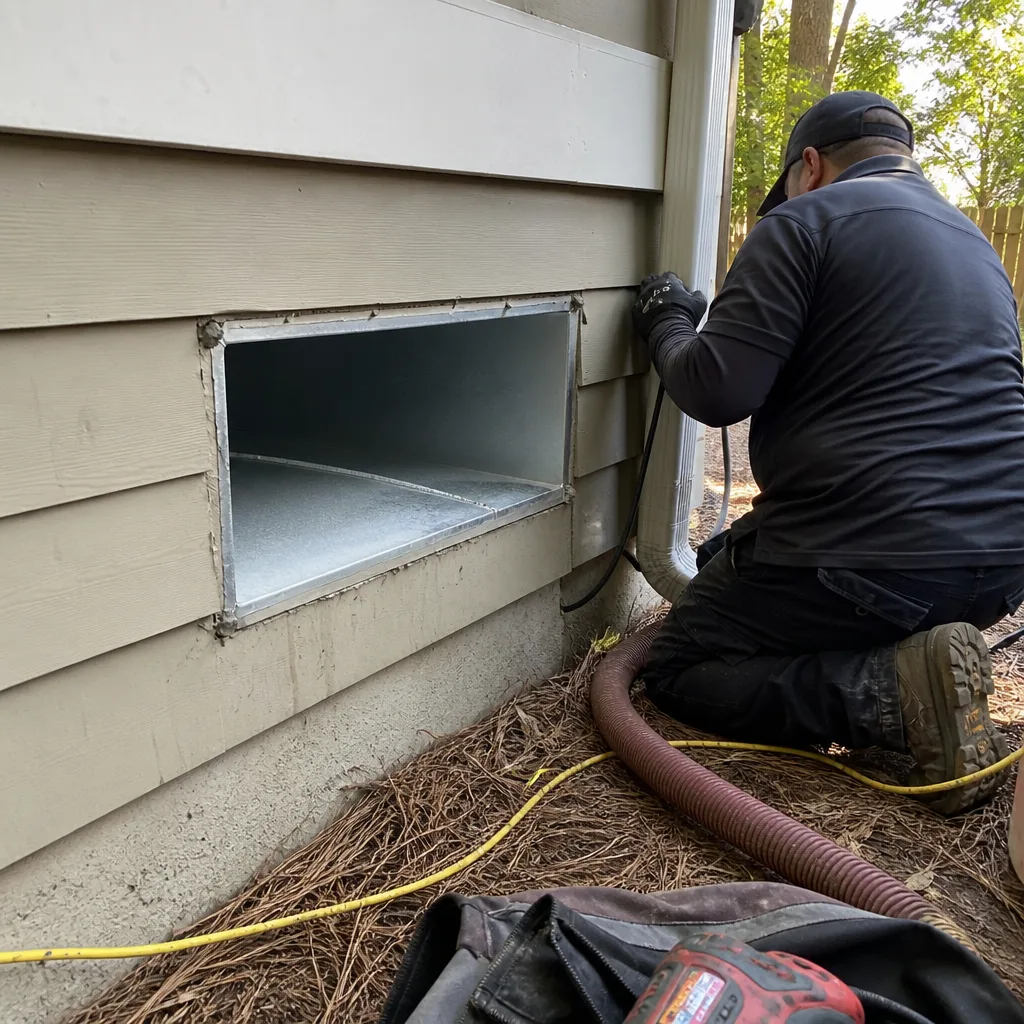
Whole-system duct and dryer vent check with before-and-after photos - you see exactly what came out of your vents
That "$99 whole-house special" is a bait ad - the real number appears once they are in your hallway, or the "clean" is a shop-vac at the register. We photograph the inside of your ducts before and after instead.
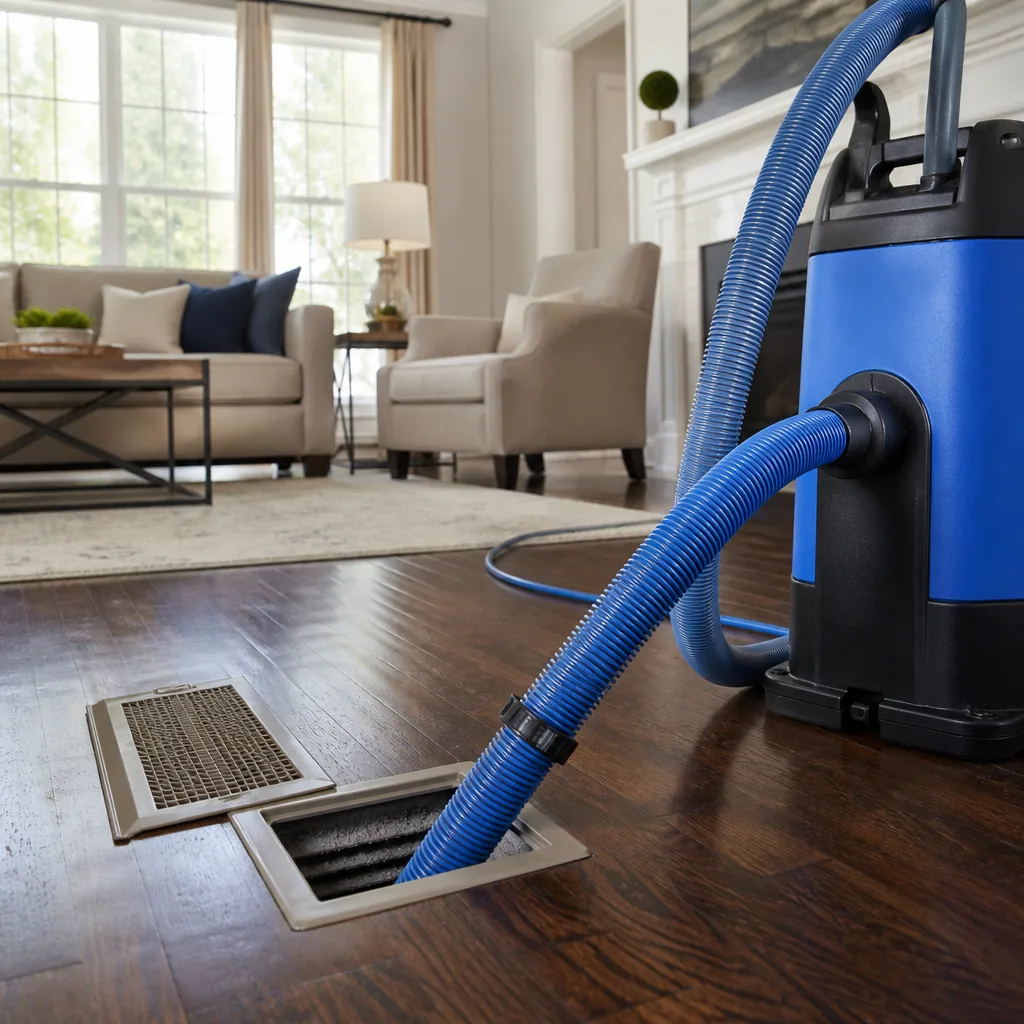
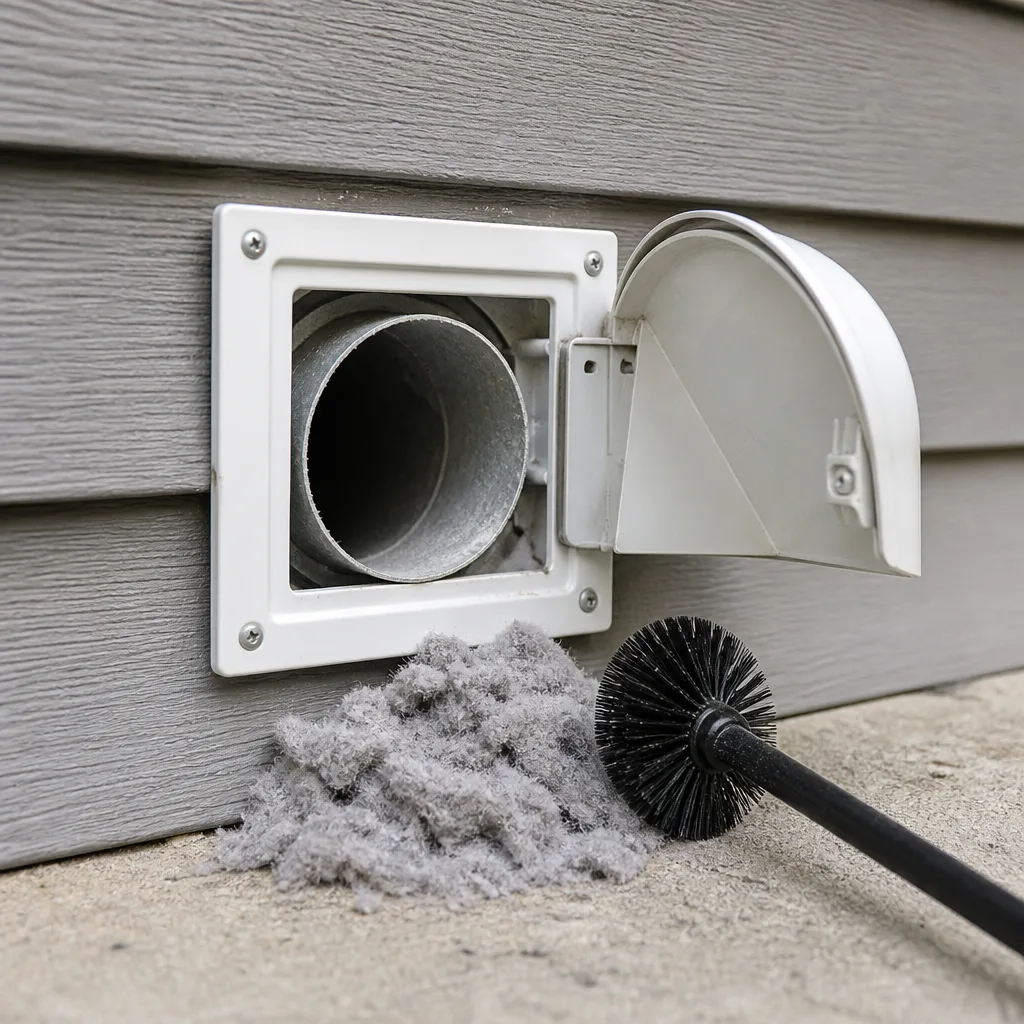
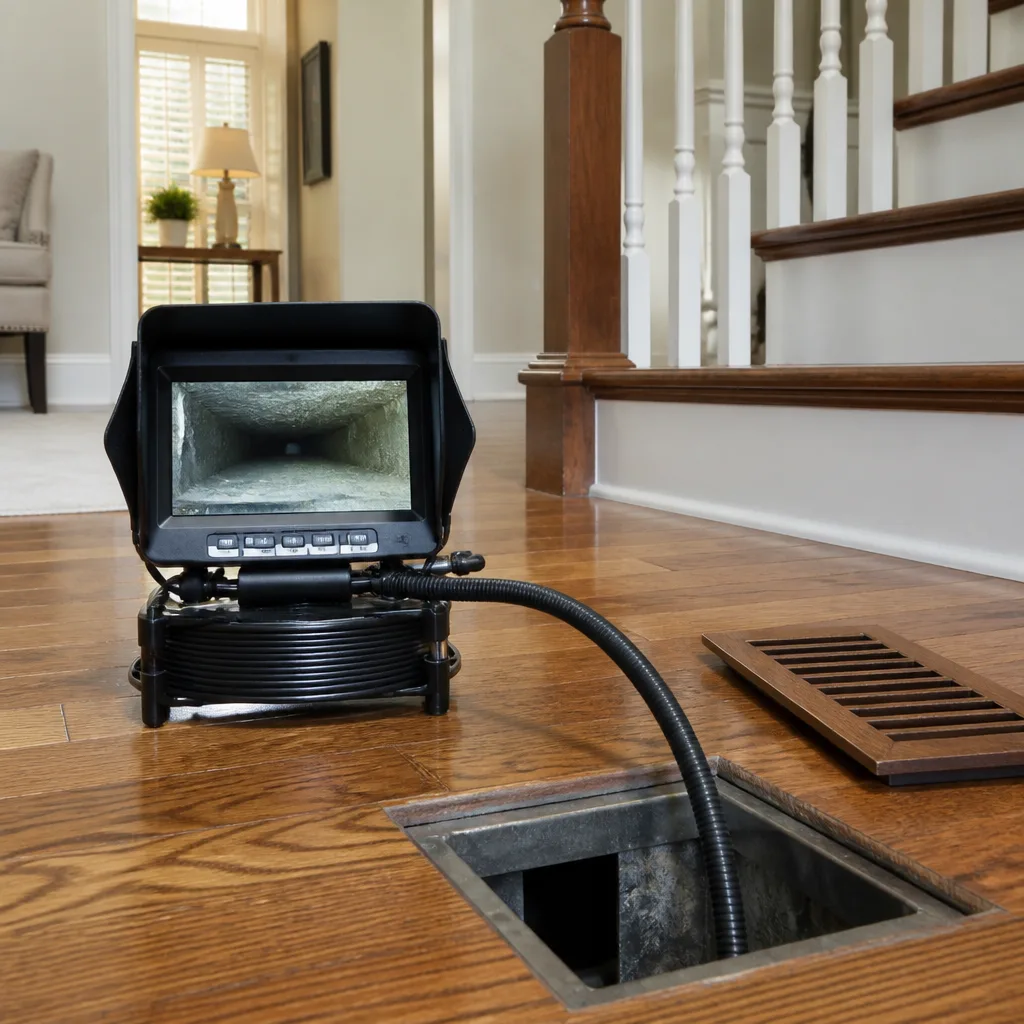
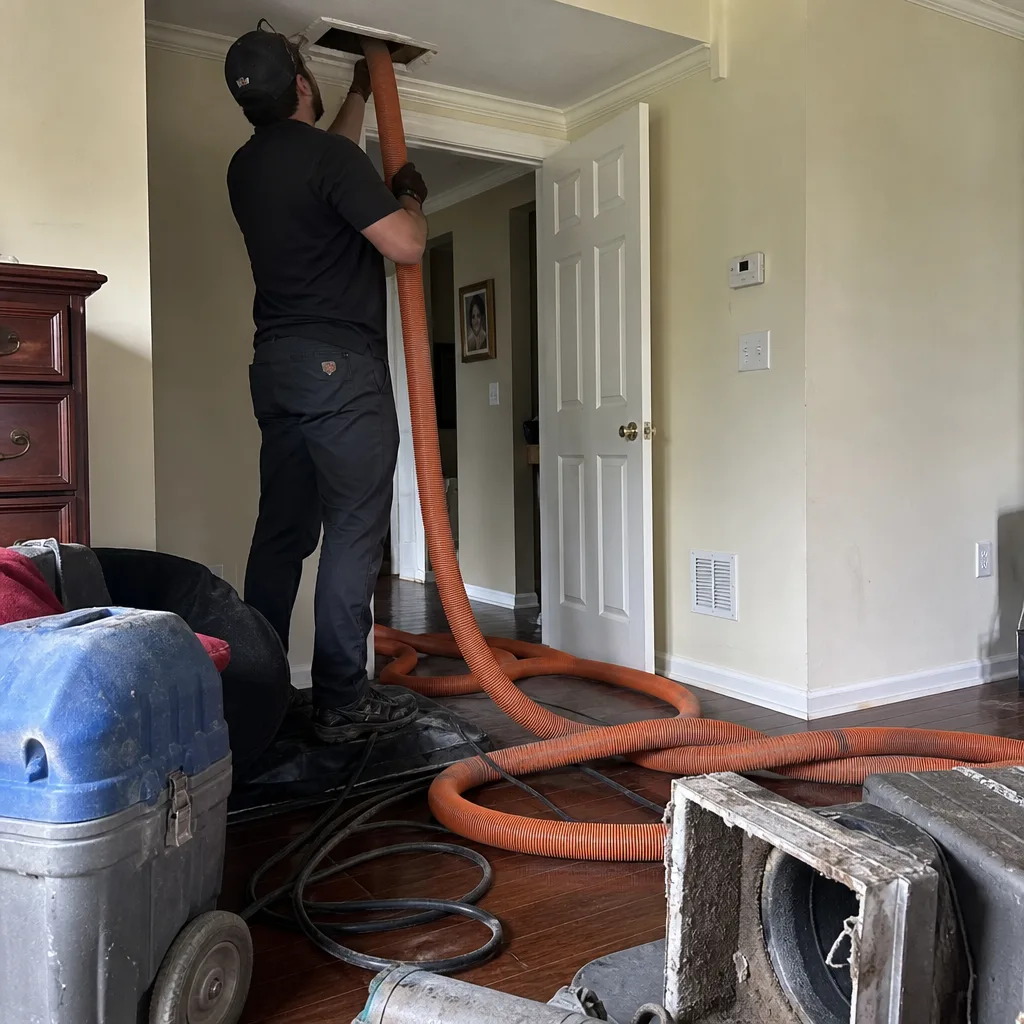 Before
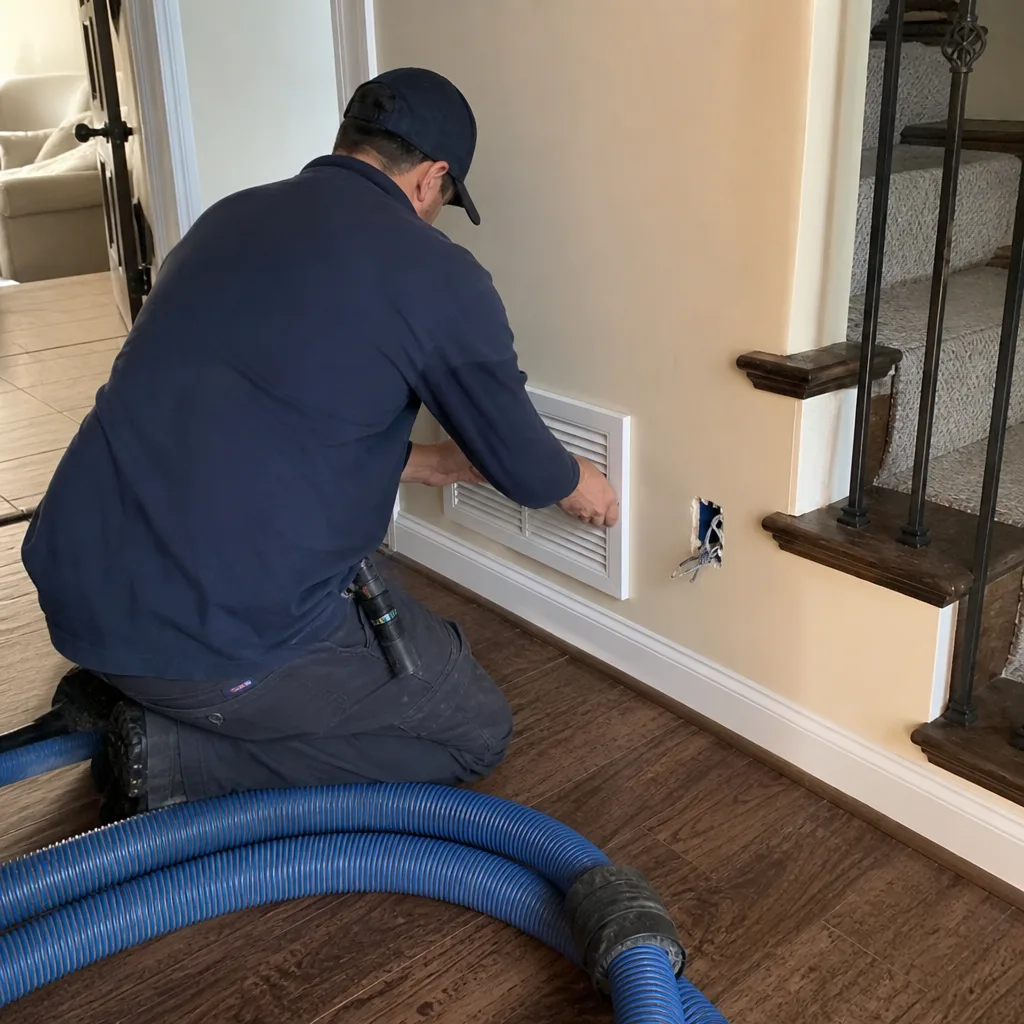 After
After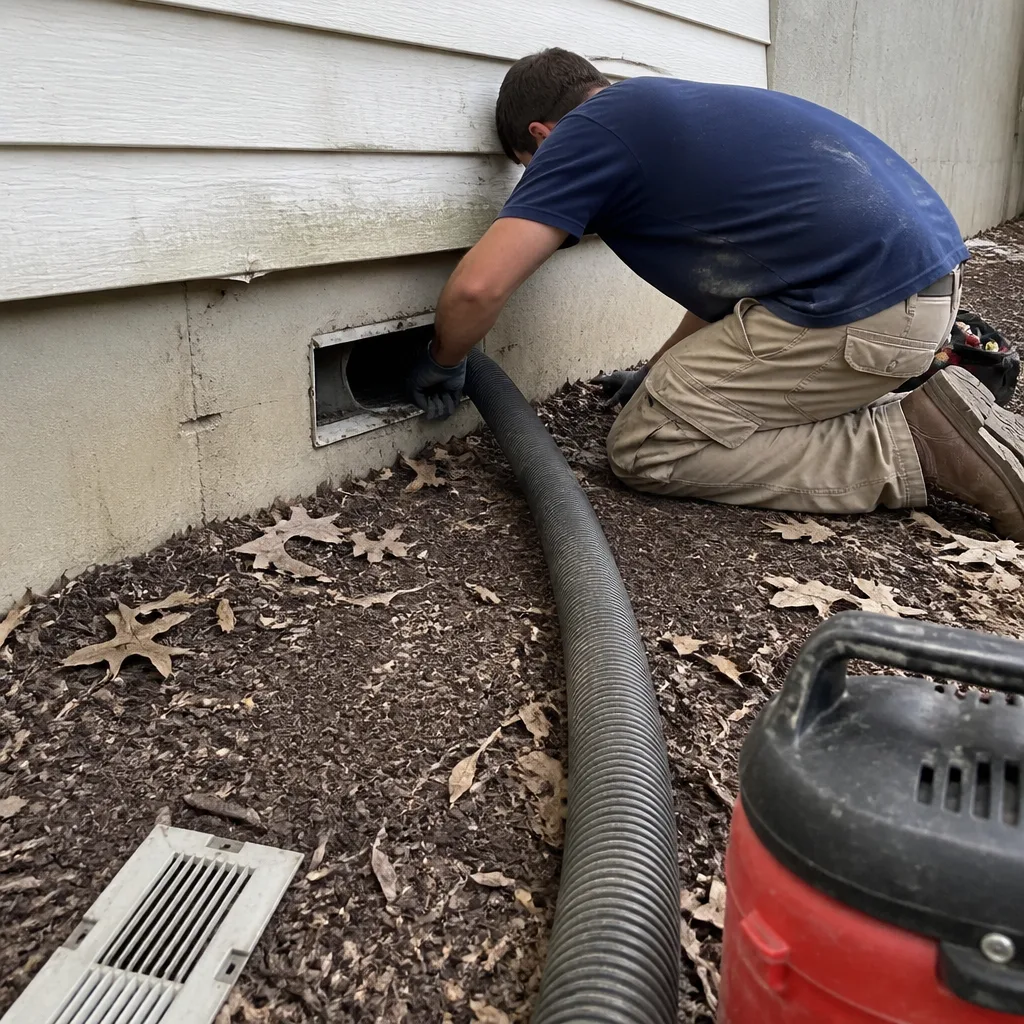 Before
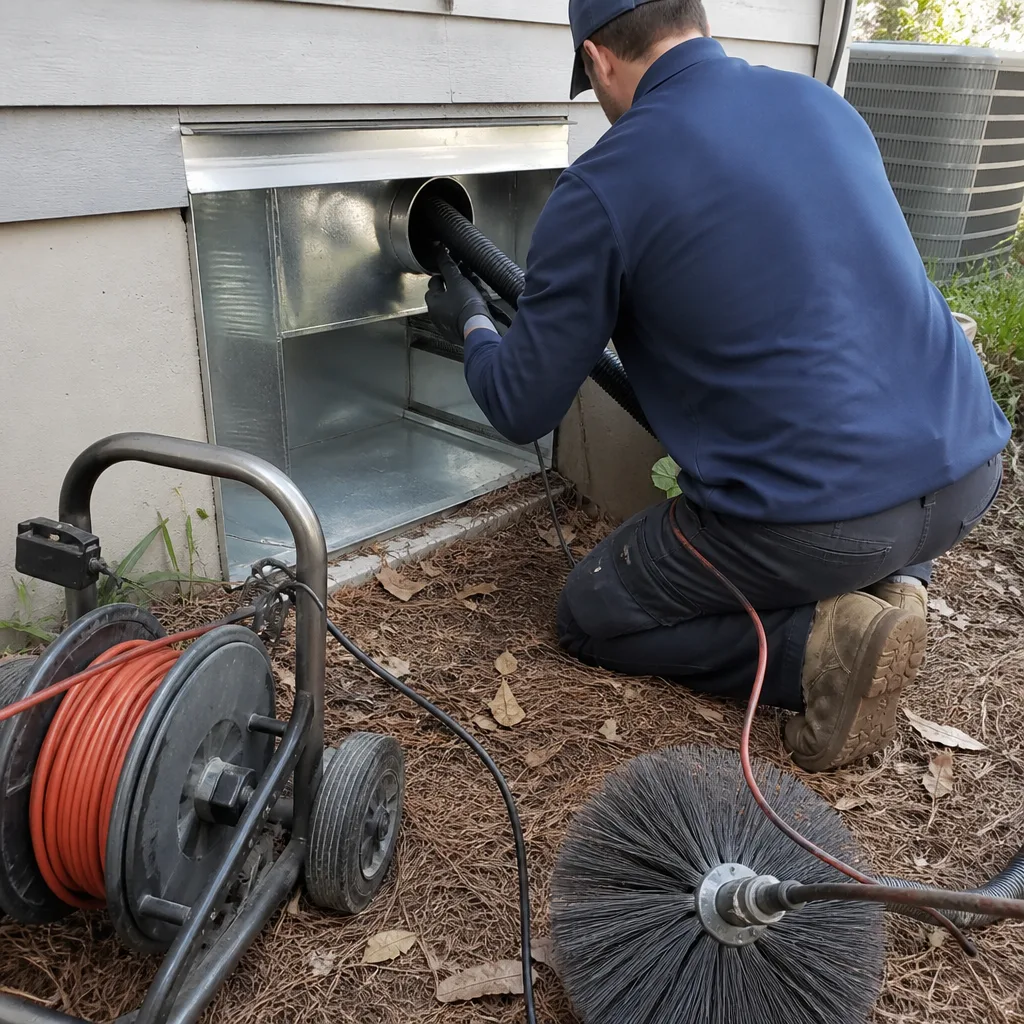 After
After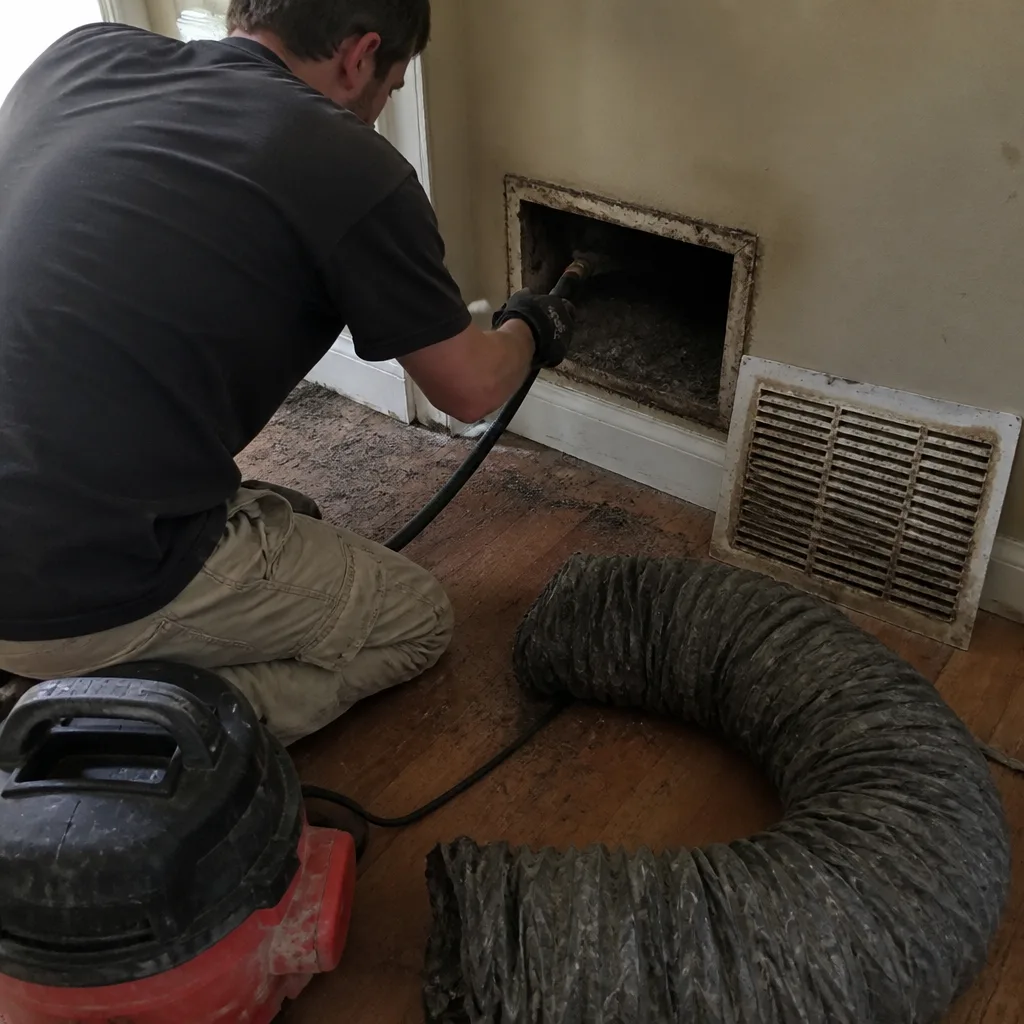 Before
 After
AfterAir Duct Cleaning Warning Signs: A Cumming Homeowner’s Reference Guide
Visible dust collecting on your supply register is almost never a sign your ducts need cleaning. In our work across Cumming since 2013, we’ve found that register dust usually points to a filter issue or static pressure imbalance, not systemic duct contamination. The warning sign that actually matters is harder to spot: fine dust resettling on surfaces within 48 hours of cleaning them. This guide gives Cumming homeowners concrete, observable indicators with enough specificity to distinguish a real warning from a sales tactic, and points you to more guides & resources for ongoing maintenance. You’ll learn a simple wipe-test to assess severity, how to read odor profiles like a technician, and how to document progression so any contractor you hire works from evidence, not persuasion.
Quick Answer
The warning signs that indicate our Air Duct Cleaning services are warranted in Cumming include: dust resettling within 48 hours of surface cleaning, persistent musty or chemical odors that don’t source to any room, airflow weak enough to barely move a tissue at distant registers, and debris visible on camera beyond the first elbow of the duct run. Cosmetic register dust, occasional sneezing, or a single high energy bill are not reliable indicators on their own.
Table of Contents
- Cosmetic Dust vs. Systemic Debris: The Wipe-Test Method
- Reading Odor Profiles: What Each Smell Indicates
- Airflow Imbalance: The Tissue-Paper Test Room by Room
- What Pest Activity Actually Looks Like on Camera
- Building Your Personal Warning Sign Log
- Cumming-Specific Factors That Accelerate Duct Contamination
- Common Mistakes to Avoid
- When to Call a Professional
- Frequently Asked Questions
BeforeAfterCosmetic Dust vs. Systemic Debris: The Wipe-Test Method
Every spring in Cumming, we get calls from homeowners in neighborhoods like Windermere and Vickery Village who’ve wiped their supply registers clean on Saturday and found them dusty again by Wednesday. They’re worried. They should be, but not for the reason they think.
Register dust is cosmetic. It sits at the terminal point of your duct system, where air velocity drops and particles fall out of suspension. A dirty register tells you your air handler is moving particulate, but it doesn’t tell you whether that particulate is coming from inside the ductwork or passing through from your living space. The distinction matters because cleaning a register takes five minutes; cleaning a contaminated duct run takes professional equipment and access, a topic we explore in DIY vs Professional Air Duct Cleaning: The Cumming Homeowner’s Decision Guide.
The wipe-test separates these cases. Here’s how to perform it:
- Clean a supply register thoroughly with a damp microfiber cloth, then clean the flat surface directly below it, a side table or windowsill, within 12 inches of the airflow path.
- Replace your HVAC filter with a fresh pleated filter rated MERV 8 or higher, noting the date.
- Run your system normally for 48 hours without dusting the test area.
- Examine the surface with a flashlight at a low angle. Fine, uniform dust that resettled evenly suggests systemic loading, particles cycling through the entire duct network and dropping out at every register. Heavy, clumped debris localized to the register itself suggests a filter bypass or return leak, not duct contamination.
In our Air Duct Cleaning in Cumming work, we see systemic loading most often in homes built during the 2015-2020 construction boom in Forsyth County. Those builds used flex duct extensively, and the tight envelope standards meant lower air exchange rates. Particulate that once escaped through drafts now circulates for years. We’ve photographed debris build-ups of two inches or more at the first elbow in duct runs serving second-floor bedrooms in homes less than eight years old.
The wipe-test also protects you from the most common bait-and-switch in our industry: the contractor who lifts your register, shines a flashlight down the boot, and declares an emergency. The boot, the short vertical section connecting register to trunk line, collects debris by design. It’s a low-velocity zone. A dirty boot is normal. A dirty duct run, the horizontal section extending 10, 20, or 40 feet from that boot, is not. The wipe-test gives you evidence to demand camera inspection of the full run, not just the visible boot, before agreeing to any scope of work, as detailed in The Complete Guide to Air Duct Cleaning in Cumming.
Reading Odor Profiles: What Each Smell Indicates
Smell is the most reliable early warning system for duct contamination, but only if you know what each profile means. Homeowners in Cumming often describe a “musty” smell when they mean four different things. Here’s the breakdown we use in the field, developed across 52,000+ homes.
Musty, damp, or basement-like. This indicates moisture intrusion into the duct system, not ordinary dust accumulation. In Cumming’s humid subtropical climate, with summer dew points regularly reaching the upper 60s, moisture finds its way into ducts through poorly sealed return plenums in crawl spaces or through disconnected flex duct in attics that reach 140°F. The smell comes from microbial activity on organic debris that only activates when wet. If you notice this profile, check your condensate drain line first, a clogged drain can back moisture into the plenum, but if the drain is clear, you likely need duct inspection with a borescope camera. This is not a cosmetic cleaning job. It requires source removal of the contaminated material and repair of the moisture pathway.
Acrid, chemical, or “new car” sharp. This points to degradation of duct liner, the fiberglass insulation bonded to the interior of sheet metal ducts. Heat degrades the binder resins over time, releasing aldehydes and other volatile compounds. In Cumming, we see this most in homes with gas furnaces where the heat exchanger has developed hot spots, or where a previous homeowner installed an oversized unit that short-cycles and sends repeated thermal shocks through the ductwork. The liner appears yellowed and powdery on camera. Cleaning won’t fix it; the affected sections need replacement. We document this with before photos and write a scope for repair, not cleaning, under Haven Standard Clause 1’s written pricing requirement.
Burning or hot-dust. This is urgent. It usually means particulate has accumulated on the heat exchanger or electric heat strips and is charring during each heating cycle. The smell intensifies when the system first kicks on after a period of disuse. In Cumming’s shoulder seasons, when homeowners switch between heating and cooling, we get these calls in October and April. Turn the system off and call for HVAC inspection before scheduling duct cleaning. Cleaning ducts while ignoring a compromised heat exchanger wastes money and misses a genuine safety issue.
Earthy, loamy, or “forest floor.” This profile almost always indicates organic matter in the ductwork: decaying leaves, rodent nesting material, or in rare cases, fungal growth on wood debris from construction leftovers. Cumming’s mature tree canopy, especially in older neighborhoods like Mary Alice Park and Chattahoochee Pointe, means gutters overflow, soffits rot, and squirrels find entry points. The debris enters through compromised return air pathways in attics or crawl spaces. The odor is strongest at the return registers, not the supplies, because the system is drawing air past the contamination point. This profile demands camera inspection and typically requires both duct cleaning and sealing of the entry pathway.
Document the odor profile, the season, and which registers produce it strongest. This information lets a technician prioritize inspection points instead of conducting a generic survey.
Airflow Imbalance: The Tissue-Paper Test Room by Room
Weak airflow at distant registers is a warning sign most homeowners notice but misattribute. They close vents, they buy booster fans, they blame the HVAC unit itself. Often the root cause is partial blockage in the duct run, accumulated debris that has reduced the effective diameter of flex duct or created turbulence in sheet metal that drops static pressure before the air reaches the register.
The tissue-paper test gives you objective data about airflow imbalance without equipment. Here’s the protocol:
- Turn your HVAC fan to “ON” at the thermostat, not “AUTO,” so it runs continuously during testing.
- Close all interior doors to isolate rooms as separate zones.
- Tear a single sheet of toilet tissue into four squares. Hold one square vertically, pinched at the top corner, six inches from each supply register. Do not hold it in the direct airstream; hold it beside the register where you can observe ambient air movement.
- A healthy register in a properly balanced system will pull the tissue toward the register face with enough force to hold it suspended at roughly 30 degrees from vertical. A register with compromised airflow will barely disturb the tissue. A register with excessive airflow, often compensating for blockages elsewhere, will pull the tissue flat against the grille.
- Map your results room by room. Mark strong, weak, and excessive registers on a simple floor plan.
In Cumming construction, we see predictable patterns. Homes built 2015-2018 in subdivisions like Kelly Mill and Bald Ridge often show weak airflow at second-floor northeast bedrooms, the duct runs with the most elbows and longest flex duct spans. The 2019-2022 builds in The Enclave and Castleberry tend toward excessive airflow at master suite registers because builders oversized those runs to compensate for poor overall design, starving distant rooms.
What the tissue test cannot tell you is whether the blockage is debris, a collapsed flex duct section, or a damper that was never fully opened during construction. That’s where professional assessment comes in. At CleanRun Air Duct Cleaning Cumming home, we use a manometer to measure static pressure at the air handler and compare it to design specifications for your system size. A reading above 0.5 inches water column on the return side with the fan at high speed indicates restriction. We then run a borescope camera to locate the restriction and photograph it before recommending cleaning, repair, or both.
The tissue test is also useful after any duct cleaning. We recommend homeowners repeat it 30 days post-service. If weak registers haven’t improved, the original problem wasn’t debris; it was duct design or physical damage. The 365-Day Done Right Promise covers this reassessment at no charge, because the right fix matters more than the service we already sold.
What Pest Activity Actually Looks Like on Camera
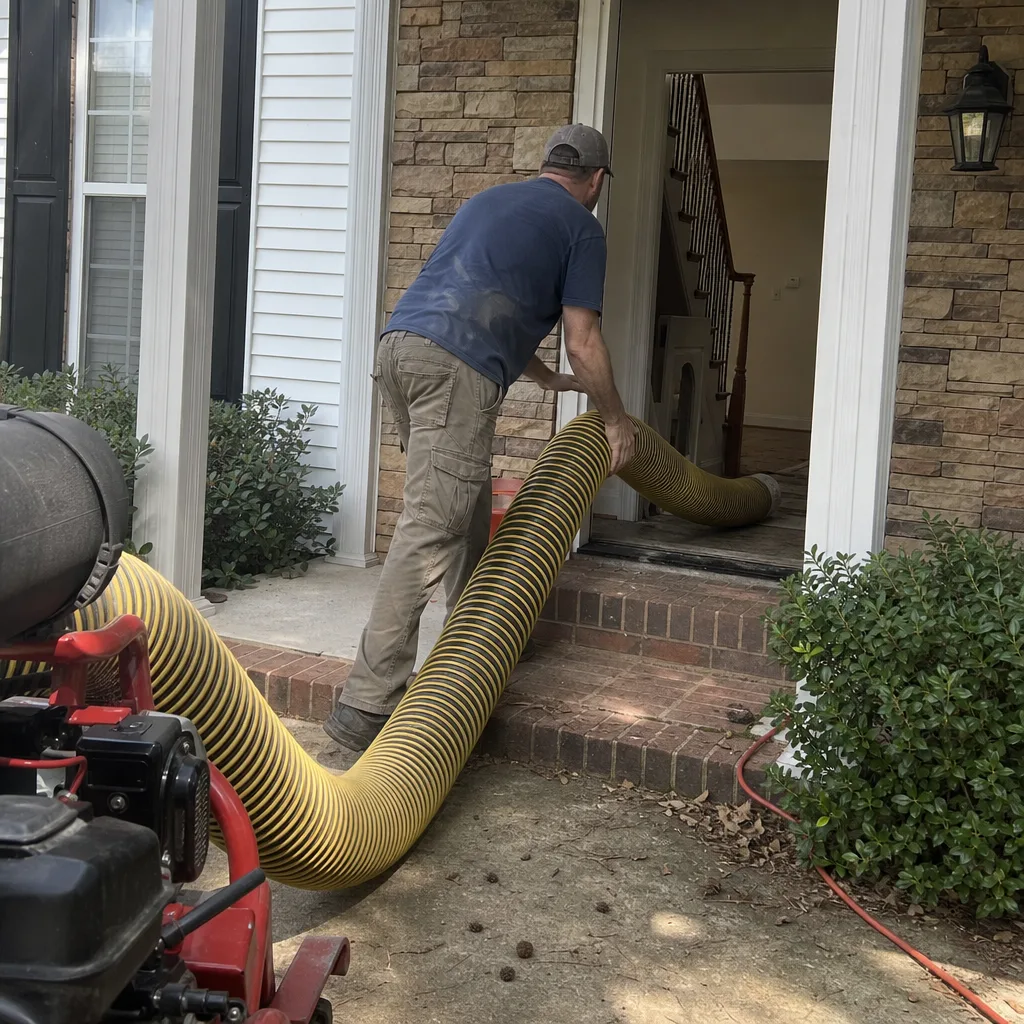
The pest scare is the duct cleaning industry’s most reliable upsell. We’ve reviewed competitor proposals that recommended $1,200 “sanitizing treatments” based on a single photo of a cobweb in a register boot. Here’s what genuine pest activity looks like, what it doesn’t look like, and how to protect yourself from manufactured urgency.
Genuine rodent activity in ducts produces specific, observable evidence. Droppings are elongated, 1/4 to 3/8 inch, with pointed ends, and they accumulate at low points in the duct run where the animal traveled and where gravity deposits them. On camera, you’ll see them scattered along the duct floor, not clumped at the register. Urine staining appears as crystallized white residue on metal or as dark discoloration on flex duct liner, and it fluoresces under UV light. Nesting material is shredded, compressed, and located at junction points where the duct changes direction or where two runs meet, places the animal selected for thermal protection.
What we show homeowners that isn’t pest activity: single droppings near the register, which usually fell from the attic through a gap in the ceiling penetration; loose insulation fragments that settled during construction; or dust bunnies that formed around a screw protrusion in the duct wall. These are normal findings. They don’t require treatment beyond standard cleaning.
The critical distinction is location. Pests travel the full duct network. Their evidence appears deep in the system, beyond the first elbow, in runs that serve multiple rooms. Surface debris near the register is ambient. Any contractor who shows you a register boot photo and recommends extensive treatment should be asked to produce camera footage from at least 10 feet into the duct run. Under Haven Standard Clause 1, we provide this footage as part of our written scope before any work is approved.
In Cumming’s older neighborhoods, we do find genuine rodent access, particularly in homes with crawl space return plenums where foundation vents have deteriorated. The access point is almost never the duct itself; it’s the building envelope. Cleaning ducts without sealing the access point guarantees recurrence. Our documented photo record includes envelope photos alongside duct photos so the full scope is visible.
If you suspect pest activity, request UV inspection as part of the camera survey. Standard white-light borescopes miss urine fluorescence. We use dual-light inspection heads from Abatement Technologies for this purpose. The additional information changes the scope from cleaning to cleaning plus sealing, and the written price reflects both before any work begins.
Building Your Personal Warning Sign Log
The most powerful tool in homeowner duct maintenance isn’t a tool at all. It’s a dated photo log that documents progression over time. When you call any contractor with six months of evidence, you shift the conversation from “trust my description” to “here’s what the system has been doing.” This changes the quality of assessment you receive and protects you from sales pressure.
Start your log today, even if you have no current concerns. Here’s the framework we recommend to Cumming homeowners:
- Register baseline photos. Once per season, photograph each supply register with the grille removed, using your phone’s flash. Include a piece of white paper in the frame for color reference. Date each photo in the filename: “MasterBed_NW_Register_2025-03-15.”
- Wipe-test documentation. When you perform the wipe-test described earlier, photograph the test surface at 48 hours under the same lighting conditions. Note the filter brand and MERV rating you had installed.
- Odor log entries. When you detect any of the four odor profiles, record: date, outdoor temperature and humidity (check your weather app), which registers produced the strongest smell, and whether the odor appeared at system startup, during continuous operation, or after shutdown. HVAC odors that appear only at startup typically indicate heat exchanger or heat strip issues; odors during continuous operation suggest duct contamination.
- Tissue-test maps. Save your floor plan with register performance marked. Update it seasonally. Changes over time matter more than absolute readings. A register that was strong last summer and is weak this summer has developed a new restriction.
- Service records with photo requests. Any HVAC or duct service should conclude with photos. If the technician won’t provide them, that’s information. Our Documented Photo Record on Every Visit includes every duct run, before and after, delivered as part of the standard job record. Other companies’ reluctance to document their work is a warning sign in itself.
Store everything in a dedicated cloud folder shared with all adults in the household. When you call for service, mention the log exists. A technician who knows you’ll be comparing their findings to documented history performs differently than one who expects to work without accountability.
We’ve had Cumming homeowners bring two years of log data to free second opinion appointments. The progression visible in those photos makes diagnosis faster and more certain. In one case, a Windermere homeowner’s log showed gradual darkening of return register photos over 18 months, with no corresponding filter degradation. Camera inspection revealed a deteriorating flex duct return in the crawl space that was drawing soil gasses and particulate. The log made the case for repair, not just cleaning, obvious to everyone involved.
Cumming-Specific Factors That Accelerate Duct Contamination
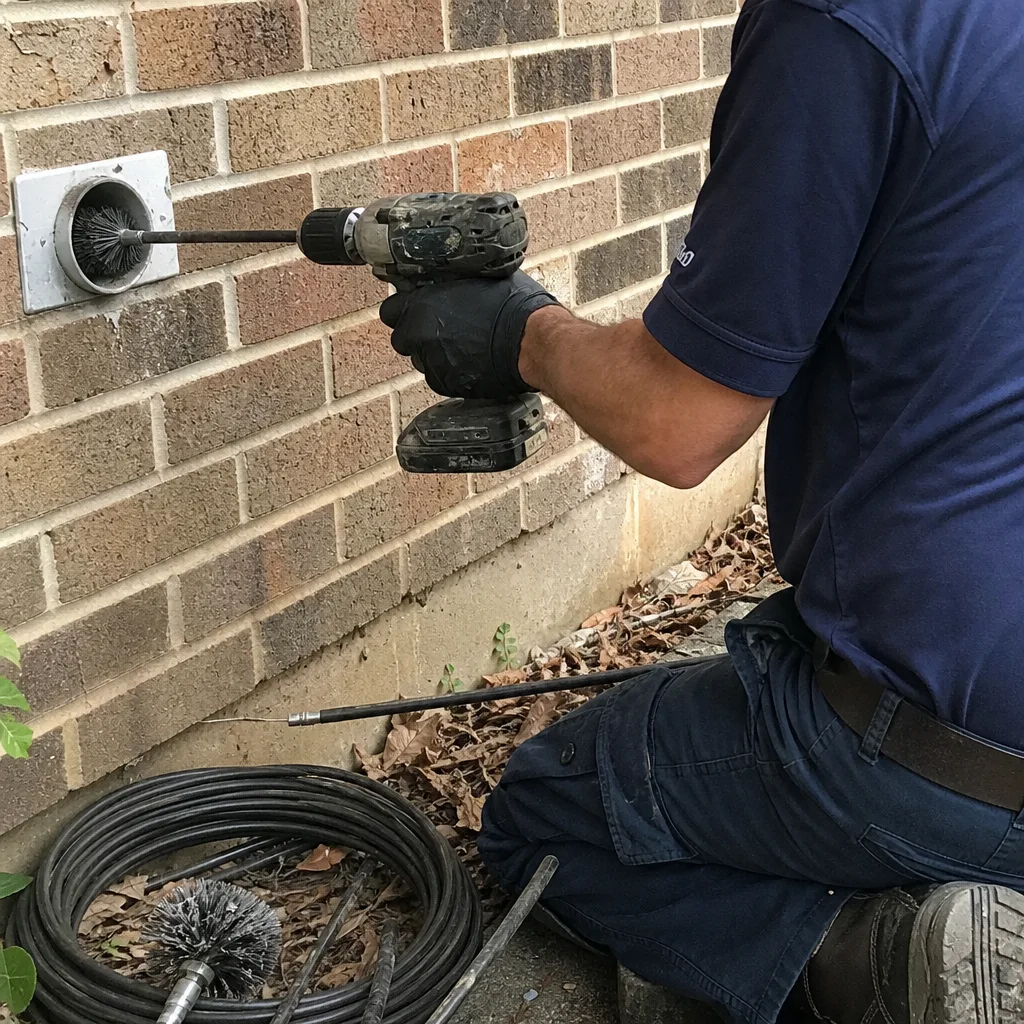
Cumming’s location at the edge of the Piedmont and its rapid development create conditions that accelerate duct contamination compared to national averages. Understanding these factors helps you interpret warning signs in context.
Red clay soil and construction residue. Forsyth County’s dominant soil type is the Cecil series, fine, iron-rich, and prone to becoming airborne during any ground disturbance. The 2015-2022 construction surge meant thousands of homes built while adjacent lots were still being graded. We’ve found construction-era clay dust in duct runs of homes built in 2020, compacted into a film that standard residential vacuums won’t remove. It requires negative-pressure extraction with agitation, the method our Rotobrush and Nikro equipment is designed for.
High seasonal humidity. Cumming’s July average relative humidity of 75% means ducts in unconditioned attics and crawl spaces experience condensation cycles daily during summer months. This moisture activates dormant debris, creating the musty odor profile described earlier. Homes with darker roof shingles, common in HOA-governed neighborhoods, run attic temperatures 10-15°F higher than lighter roofs, accelerating thermal degradation of flex duct and increasing condensation on cool metal surfaces.
Tight envelope standards without balanced ventilation. Georgia’s energy code requires tight construction, but many Cumming homes lack mechanical ventilation systems to replace the infiltration they’ve eliminated. The result is higher indoor particulate concentration, more cycles through the duct system, and faster loading. We see this most in homes under five years old, where homeowners expect “new construction” to mean clean ducts. The opposite is often true: tight homes with standard 1-inch filters concentrate whatever gets past the filter.
Pollen load. Cumming’s tree canopy, oak, pine, and maple dominant, produces pollen counts that regularly exceed 2,000 grains per cubic meter in spring. Standard residential filters capture little of this; it loads into return ductwork and becomes a nutrient source for microbial growth when humidity conditions are right. Homes with outdoor air intakes, increasingly common in newer builds, see direct pollen loading into the duct system.
These factors don’t mean every Cumming home needs annual duct cleaning. They mean warning signs here should be interpreted more seriously than in drier, less vegetated climates. A tissue-test result that would be marginal in Phoenix is likely significant in Cumming.
Common Mistakes to Avoid
- Interpreting register dust as duct contamination. The wipe-test exists because this mistake costs homeowners hundreds in unnecessary service. Clean the register, replace the filter, wait 48 hours, then assess.
- Accepting a scope of work without camera footage from beyond the first elbow. Any contractor who won’t show you the full run is asking for trust they haven’t earned. Our Documented Photo Record includes every run, before and after, as a standard deliverable.
- Scheduling cleaning after a single high energy bill. Energy spikes have dozens of causes: thermostat programming errors, refrigerant leaks, duct leakage to unconditioned space. Demand diagnostic work that isolates the cause before treating a symptom.
- Ignoring seasonal patterns in odors or dust. A problem that appears only in July points to moisture; a problem that appears only in January points to heating system issues. Seasonal specificity narrows diagnosis faster than any single test.
- Hiring based on coupon price without verifying equipment and documentation practices. The $79 duct cleaning special in Cumming typically involves a shop vacuum at the register and no camera work. Professional-grade equipment from Rotobrush, Nikro, and Abatement Technologies costs more to operate and maintain; the price reflects real capability.
- Failing to document pre-existing conditions before service. Without your own photo log, you have no basis to evaluate whether post-service photos show genuine improvement or selective framing.
- Confusing duct cleaning with duct sealing or repair. Cleaning removes debris; sealing stops leakage; repair fixes physical damage. Some Cumming homes need all three, but each requires different equipment and pricing. Haven Standard Clause 1 requires written separation of these scopes when multiple services are recommended.
When to Call a Professional
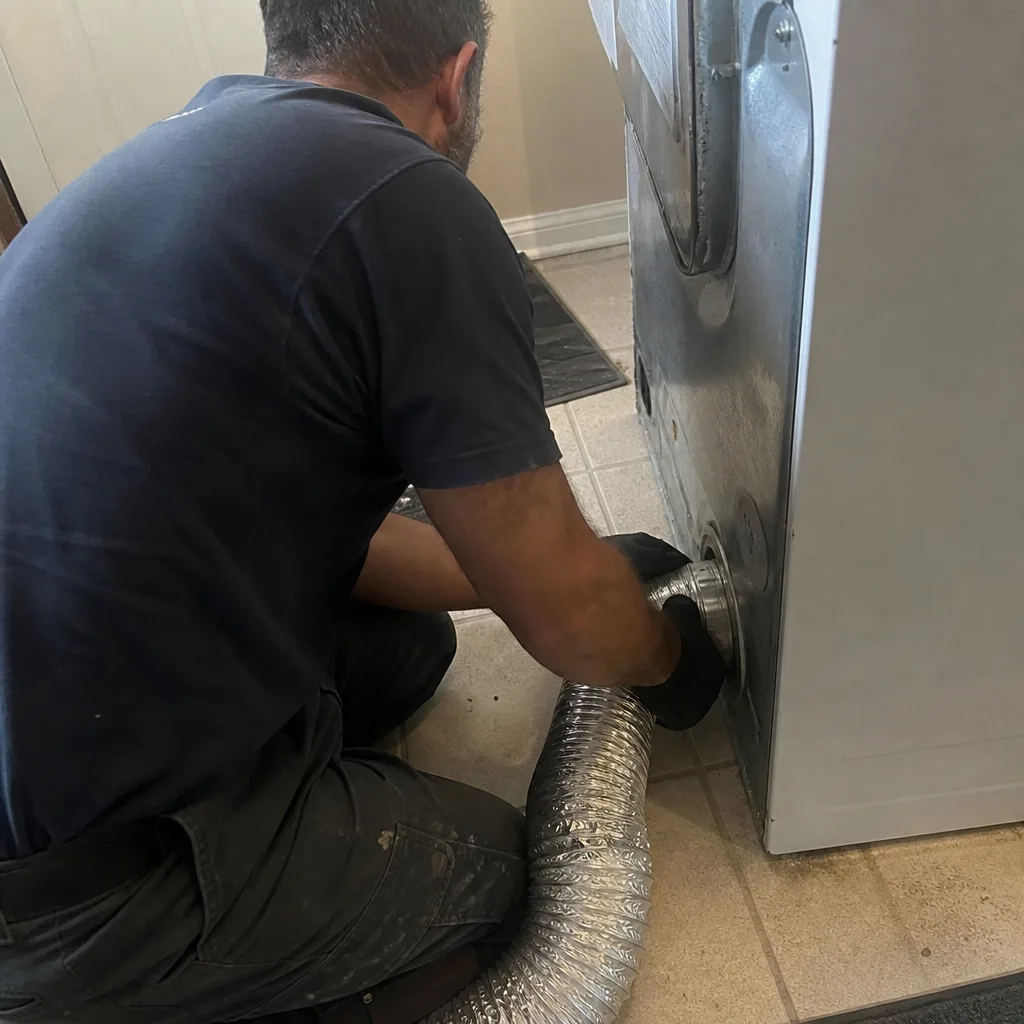
Call for assessment when: dust resettles within 48 hours of cleaning despite fresh filters; any odor profile persists for more than two weeks with no identifiable source; the tissue-paper test shows two or more weak registers in different zones; or you’ve documented progression in your log over three months or more. These are evidence-based thresholds, not vague “when you feel concerned” guidance.
CleanRun Air Duct Cleaning Cumming offers free estimates in Cumming. Every estimate includes camera inspection of accessible duct runs, a written scope with line-item pricing before any work begins, and no obligation. Call (678) 693-5322 to schedule. If you have a competitor’s written estimate, we provide a Free Second Opinion at no cost, with our written number next to theirs for direct comparison.
Frequently Asked Questions
Whole-system air duct cleaning for a typical Cumming home ranges from $450 to $850, depending on system size, accessibility, and contamination level. This covers all supply and return duct runs, the plenum, and registers, with a Documented Photo Record of every run included. We do not quote per-vent prices; Haven Standard Clause 1 requires one flat price per system agreed before work starts. Call (678) 693-5322 for an exact quote - estimates are free.
Low quotes typically exclude camera inspection, use portable vacuums without negative-pressure containment, or charge add-on fees once the technician arrives. A $79 special becomes $600 after “discovered” contamination. Our written price includes everything required for the scope described. No per-vent pricing, no surprise charges, no “call for a quote” - the number you receive before work starts is the number you pay.
Demand a documented photo record of every duct run, before and after, with timestamps. Our standard deliverable includes these photos as part of the job record, a practice we’ve held since 2013. If a company won’t provide this, you’re buying a promise, not a service. Review the photos yourself: look for consistent lighting, visible debris removal, and coverage of all runs named in your written scope.
Most Cumming homes benefit from professional cleaning every 5 to 7 years, with Dryer Vent Cleaning in Cumming performed annually for fire safety. Homes with indoor smokers, multiple pets, recent construction, or known moisture issues may need more frequent service. The wipe-test and tissue-paper test described in this guide tell you when your specific system needs attention better than any calendar interval.
Ducts are not a primary source of illness for healthy individuals, but they can concentrate and distribute irritants that aggravate asthma, allergies, and other respiratory conditions. The greater concern is what dirty ducts indicate: moisture intrusion, pest access, or filter bypass that may have more serious implications. Camera inspection reveals whether the issue is cosmetic loading or a symptom of a larger problem.
Air duct cleaning addresses the distribution network: supply and return ducts, registers, and plenum. HVAC Cleaning in Cumming includes the air handler components: blower wheel, evaporator coil, heat exchanger, and drain pan. Some contamination originates in the HVAC unit and distributes through clean ducts; some originates in ducts and burdens the HVAC unit. A complete assessment considers both. We scope them separately under Haven Standard Clause 1 so you choose based on evidence, not package pressure.
The Bottom Line
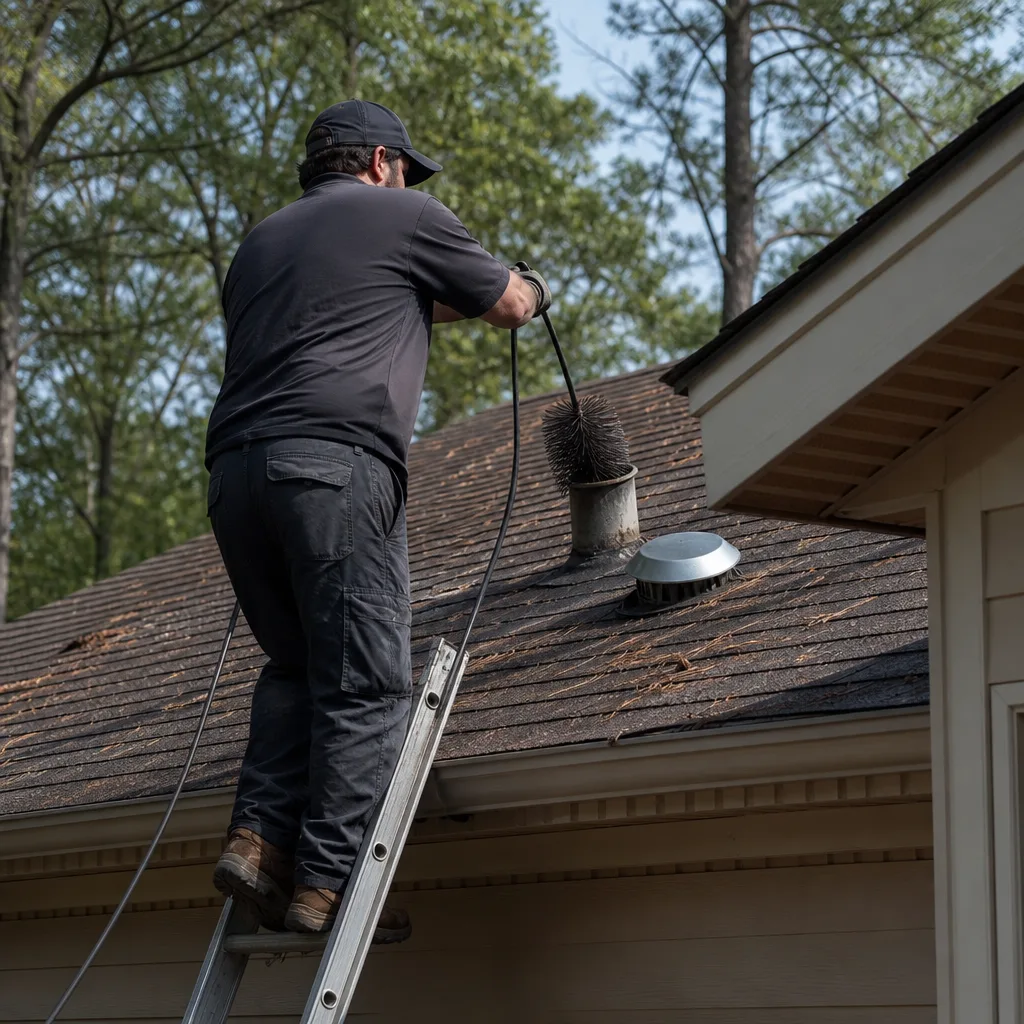
Reliable warning signs for duct cleaning are specific, observable, and trackable over time: dust resettling within 48 hours, persistent odor profiles with seasonal patterns, measurable airflow imbalance, and camera-confirmed debris beyond the first elbow. Cosmetic register dust, vague discomfort, or single incidents are not sufficient evidence. The wipe-test, tissue-paper test, and personal photo log give Cumming homeowners tools to distinguish genuine need from sales pressure. When you do call a professional, demand written pricing before work starts, camera documentation of the full duct network, and a guarantee that survives the technician’s departure. Evidence persuades more than promises.
Written by Tomas Reyes, Owner at CleanRun Air Duct Cleaning Cumming, serving Cumming since 2013.