
Last updated September 23, 2026
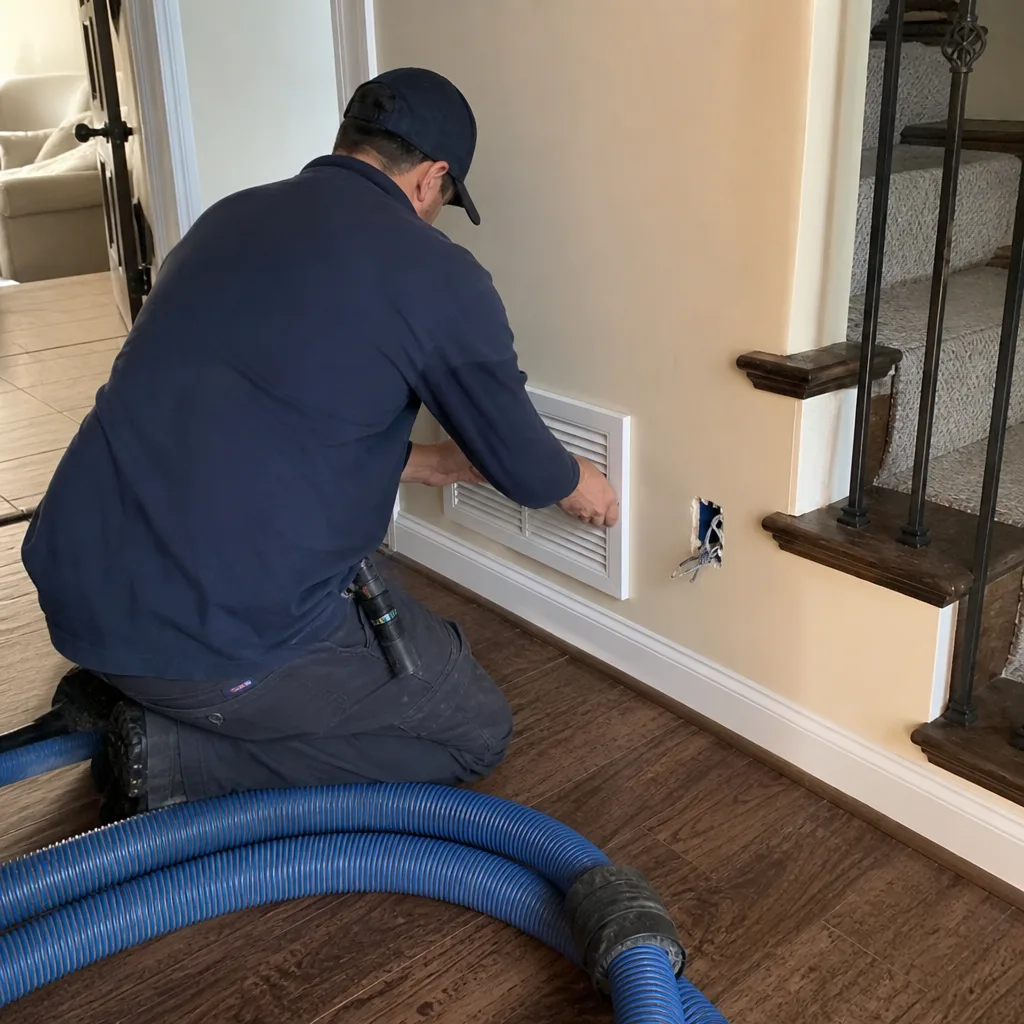
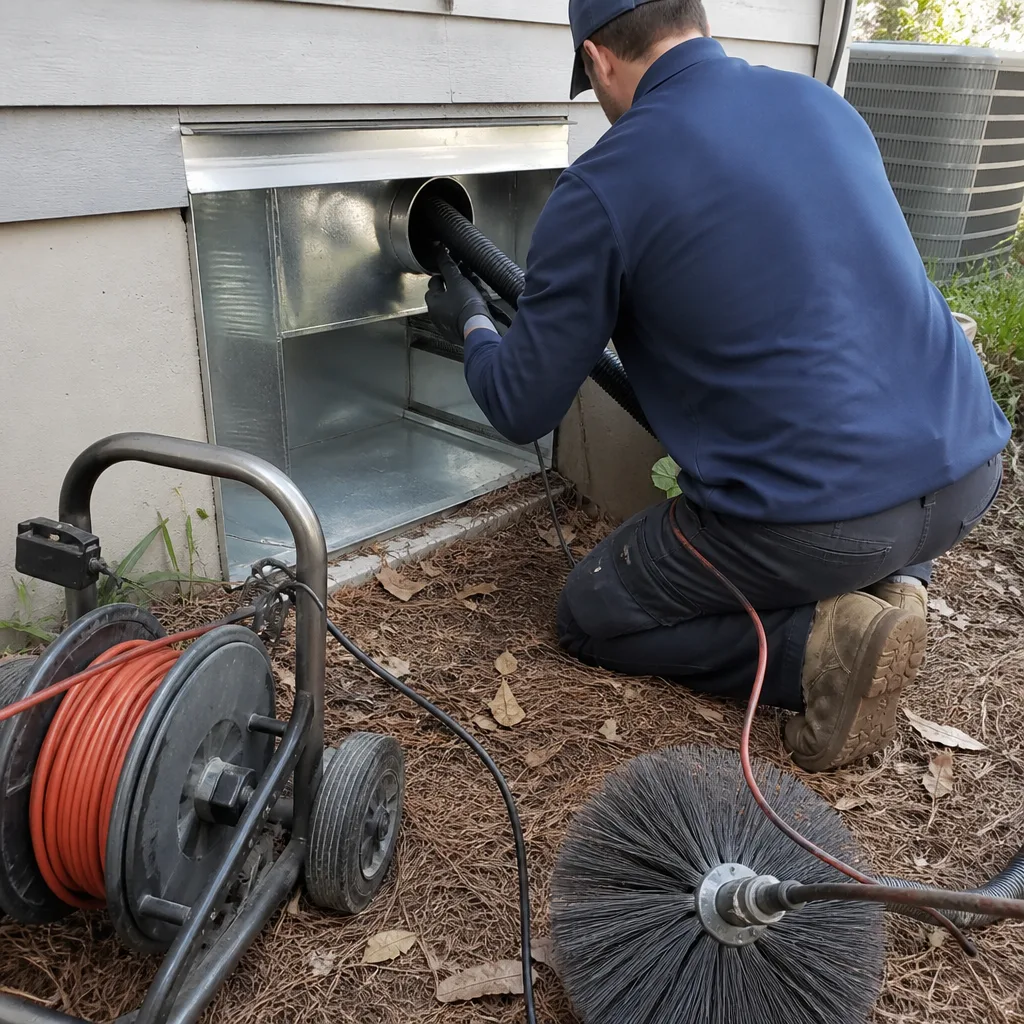
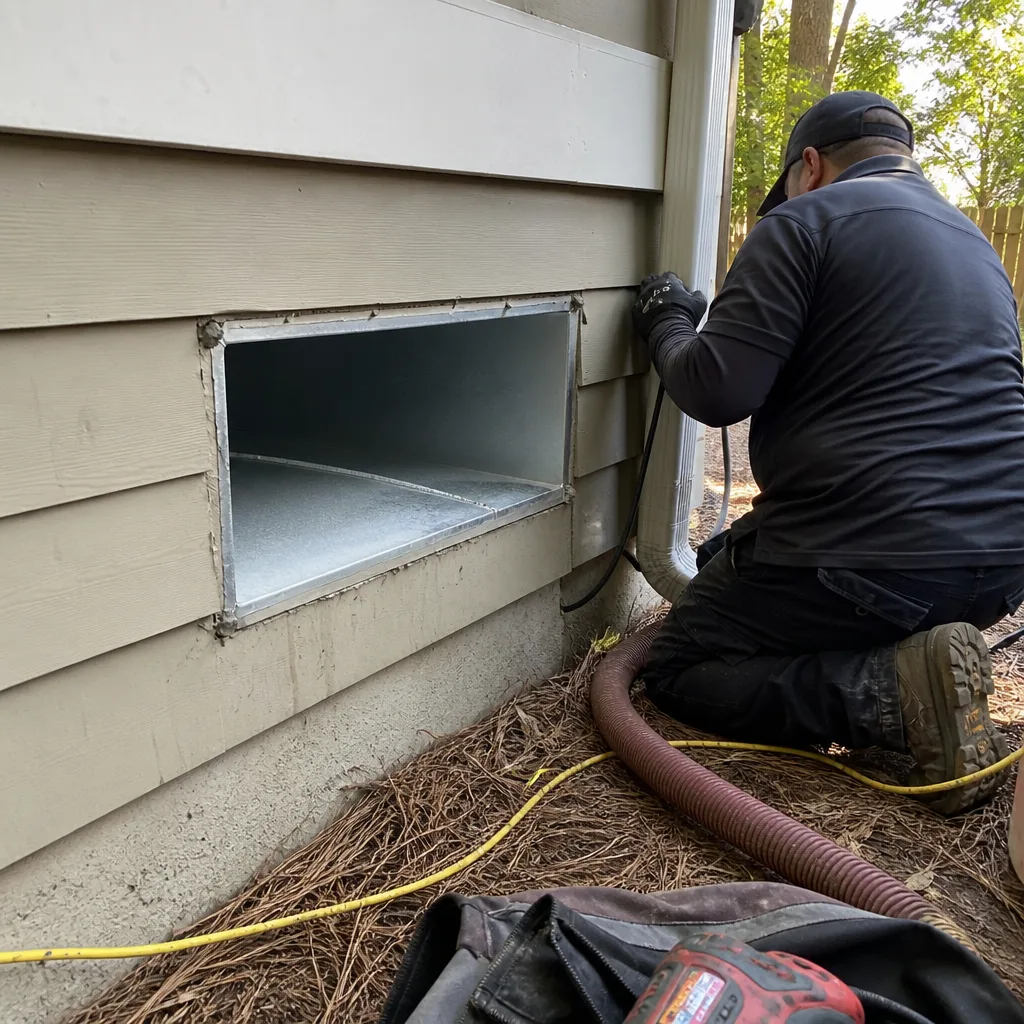
Whole-system duct and dryer vent check with before-and-after photos - you see exactly what came out of your vents
That "$99 whole-house special" is a bait ad - the real number appears once they are in your hallway, or the "clean" is a shop-vac at the register. We photograph the inside of your ducts before and after instead.

 Before
 After
After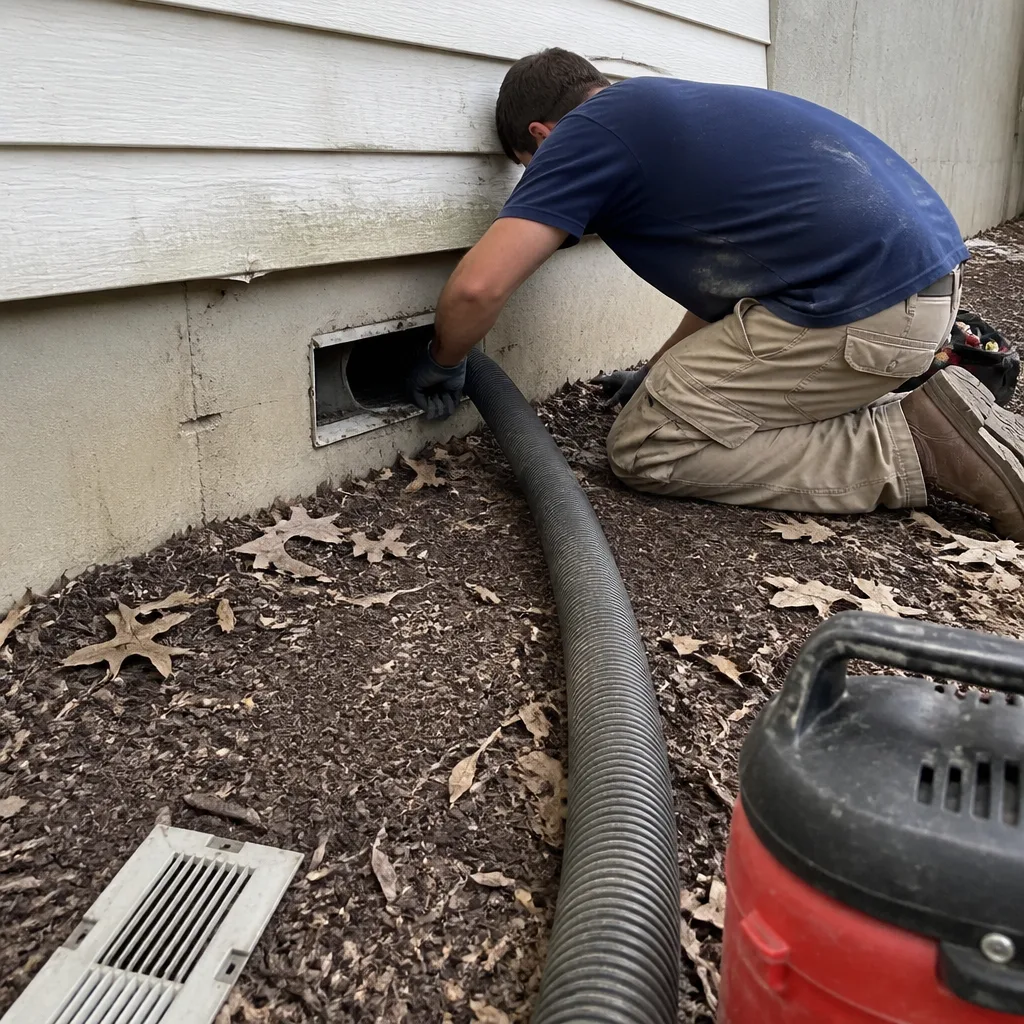 Before
 After
After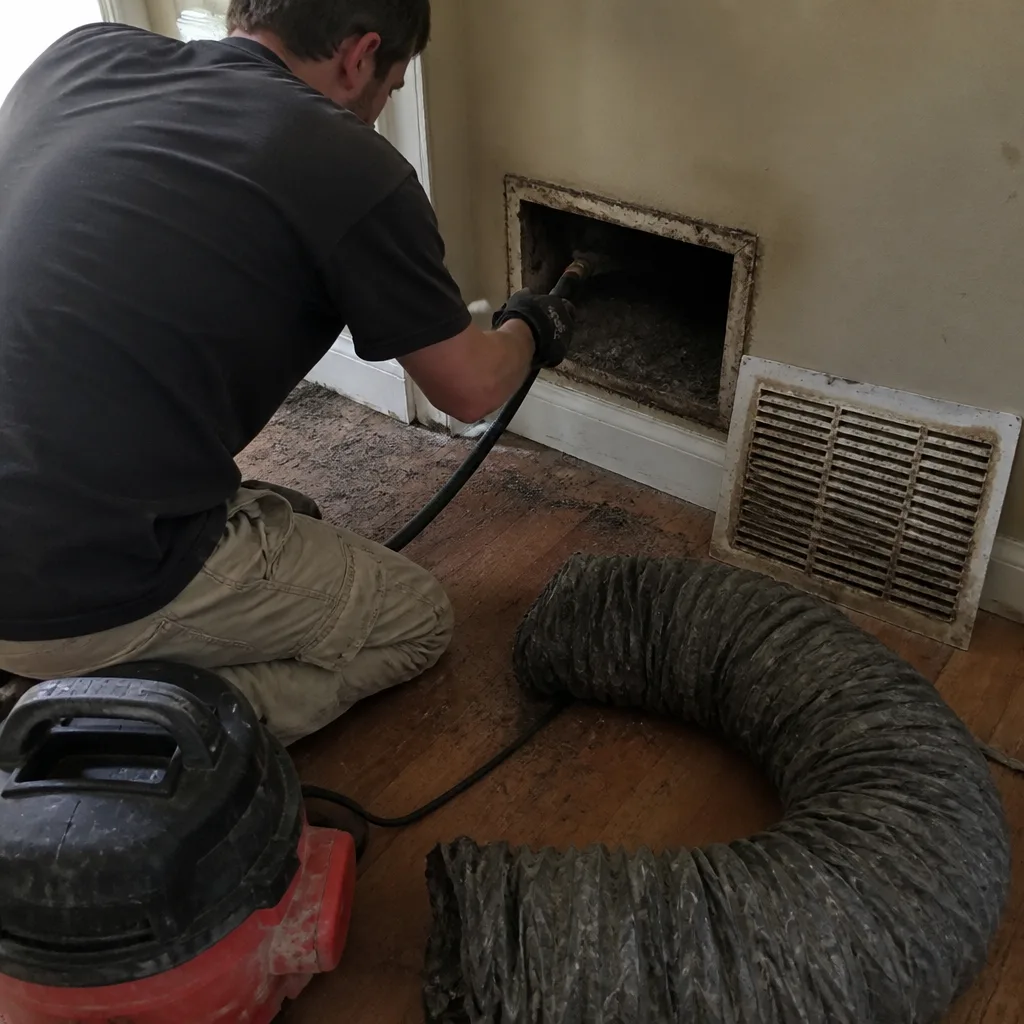 Before
 After
AfterSeasonal Air Duct Cleaning Care for Cumming: Year-Round Homeowner’s Guide
October is the month Cumming HVAC companies field the most “burning smell” calls. The furnace isn’t failing. Three months of settled dust on heat exchangers and inside duct runs is combusting for the first time since April. In our experience serving Forsyth County since 2013, that smell is a seasonal alarm clock - and it’s telling you something about what accumulated while the system sat idle.
This guide maps what actually enters your ductwork across a Cumming year, not what a generic national article guesses. You’ll learn which months load your system with pine pollen, when humidity turns ducts into mold risk zones, why pre-season windows in April and September save money and hassle, and how to read your own registers for warning signs without touching equipment. We’ll also explain why homes near Cumming’s active construction corridors need a different schedule than established neighborhoods like Vickery or Windermere.
Quick Answer
Seasonal Air Duct Cleaning care in Cumming means matching maintenance to Forsyth County’s distinct climate calendar: professional cleaning in April before cooling season and September before heating season, supplemented by homeowner register checks each quarter. Homes near active development should shorten intervals by 30-40% due to construction particulate loading.
Table of Contents
- The Cumming Climate Calendar: What Enters Your Ducts Each Month
- Spring Pollen Season: March Through May
- Summer Humidity: June Through August
- Fall Pre-Heating Window: September Through October
- Winter Particulate Loading: November Through February
- The Register Airflow Comparison Test: A Quarterly Homeowner Check
- Cumming’s Construction Boom and Your Duct Schedule
- What Technicians Should Photograph for a Longitudinal Record
BeforeAfterThe Cumming Climate Calendar: What Enters Your Ducts Each Month
Cumming sits at the edge of the Piedmont, where Atlanta’s urban heat island fades into the foothills of the Blue Ridge. That geography creates a sharper seasonal swing than most national duct-cleaning guides account for. Forsyth County sees average relative humidity spike above 75% from June through August, pine pollen counts that regularly exceed 3,000 grains per cubic meter in late March, and winter temperature inversions that trap particulate from wood-burning fireplaces and idling vehicles.
Your ductwork doesn’t experience climate as a weather report. It experiences whatever gets drawn through the return grille. Here’s the monthly loading pattern we’ve documented across 52,000+ homes:
- March-April: Pine pollen peak; oak and birch follow. Pollen grains are 20-50 microns, large enough to settle in duct runs rather than pass through standard filters.
- May-June: Grass pollen mixes with early humidity; first mold spore elevation in crawl space and basement returns.
- July-August: Humidity peak; condensation in metal ducts, especially in unconditioned attic runs common in Cumming’s 1990s-2000s construction stock.
- September-October: Ragweed plus heating system reactivation; accumulated summer debris burns off or circulates.
- November-February: Tight-house season; particulate recirculates without dilution. Fireplace ash, cooking byproducts, and skin cells dominate.
The critical insight: each season deposits a different contaminant profile. Spring pollen is dry and abrasive. Summer humidity creates adhesive conditions where debris clings to duct walls. Fall reactivation stirs settled loads. Winter recirculation concentrates whatever wasn’t removed.
This is why a single annual cleaning, timed randomly, leaves your system vulnerable for significant portions of the year. The two highest-value professional windows for Cumming homes are April (before the cooling season load) and September (before the heating season load). We’ll detail each below.
Spring Pollen Season: March Through May
Forsyth County’s pine pollen is notorious for coating cars, patios, and outdoor furniture with yellow film. What fewer homeowners recognize is how much enters the living space and, from there, the return ducts.
Standard 1-inch fiberglass filters capture perhaps 15-20% of pollen grains by count. The remainder passes through, with larger grains (pine pollen averages 45 microns) settling in the first horizontal duct run after the air handler. We’ve photographed deposits in Cumming homes where the first elbow held a 2-3 inch mat of yellow-green material by late April. The camera doesn’t exaggerate: the color is unmistakable against silver duct metal.
Here’s what happens if this load isn’t addressed before cooling season:
- Humid summer air adheres to pollen deposits, creating a paste that standard negative-pressure extraction struggles to remove completely.
- The pollen mat partially blocks airflow, increasing static pressure and forcing the blower motor to draw more amperage.
- Mold spores, ever-present in Georgia air, find organic substrate in the pollen layer.
- By September, you’re not cleaning pollen. You’re cleaning pollen that has become a growth medium.
The homeowner response in spring should be threefold:
- Upgrade filtration temporarily: A pleated MERV 11-13 filter during March-April captures significantly more pollen. Note: verify your system’s blower capacity; restrictive filters on undersized returns can cause problems.
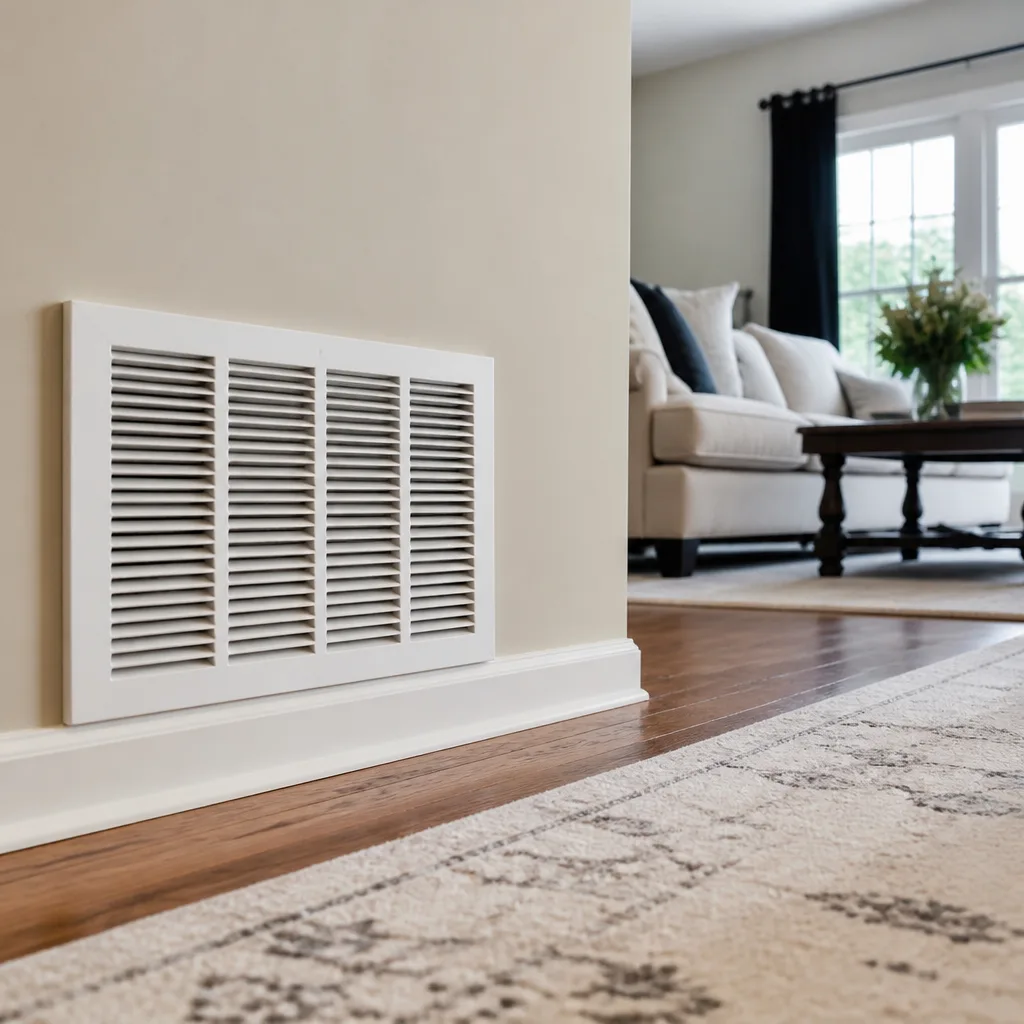
- Inspect the return grille and first duct section: Visible accumulation at the grille often signals deeper loading.
- Schedule professional cleaning in April, not July: Pre-cooling cleaning removes pollen before humidity sets in. Post-cooling cleaning in July addresses a harder-to-remove composite material.
In Vickery and other Cumming neighborhoods with mature pine stands, we’ve found pollen loads 40-50% above county average. The trees are beautiful. They are also prolific.
Summer Humidity: June Through August
Cumming’s summer humidity isn’t just uncomfortable. It changes the physics inside your ductwork.
Metal ducts in unconditioned attics - the dominant configuration in homes built 1995-2010 across Forsyth County - experience surface temperatures below the dew point during cooling operation. Condensation forms on the exterior first, but interior surfaces cool as well, especially at register locations where conditioned air meets warmer duct walls. That moisture doesn’t just corrode metal over years. It makes existing debris sticky.
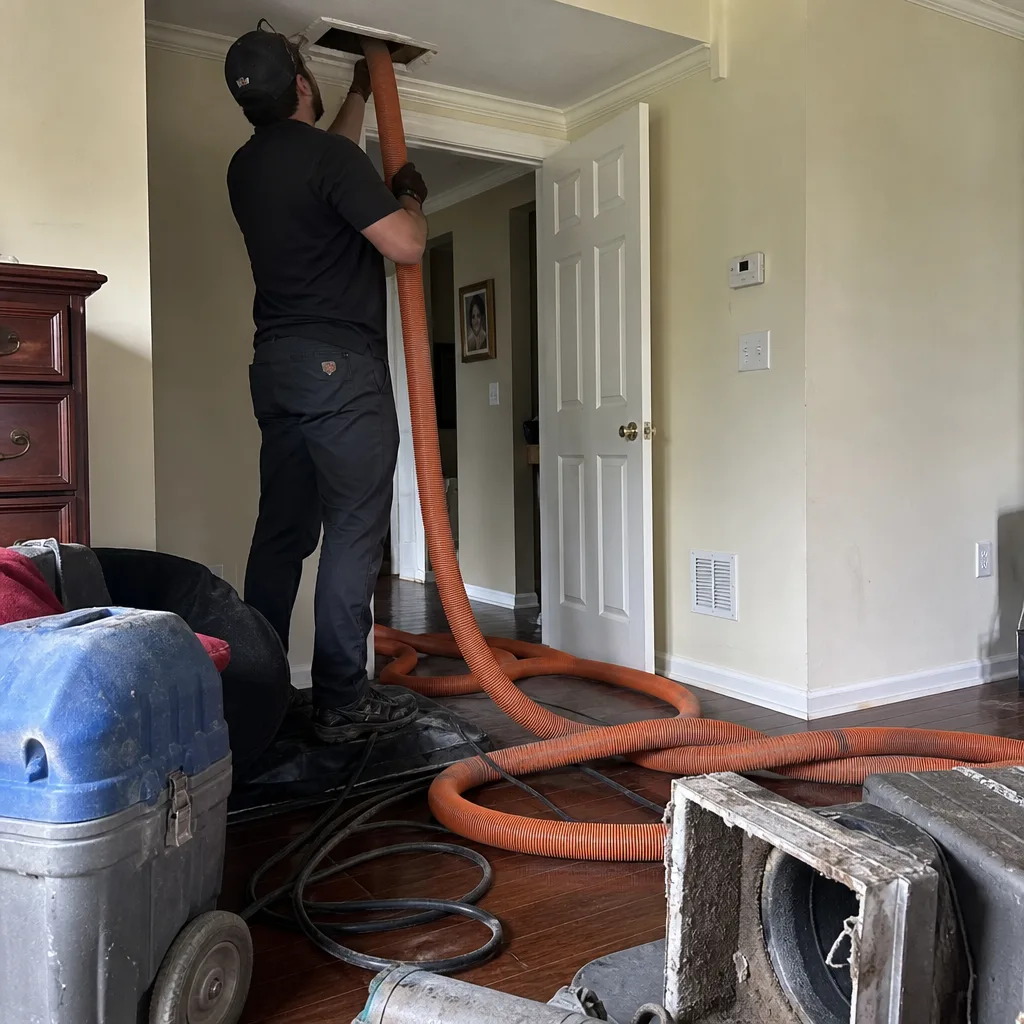
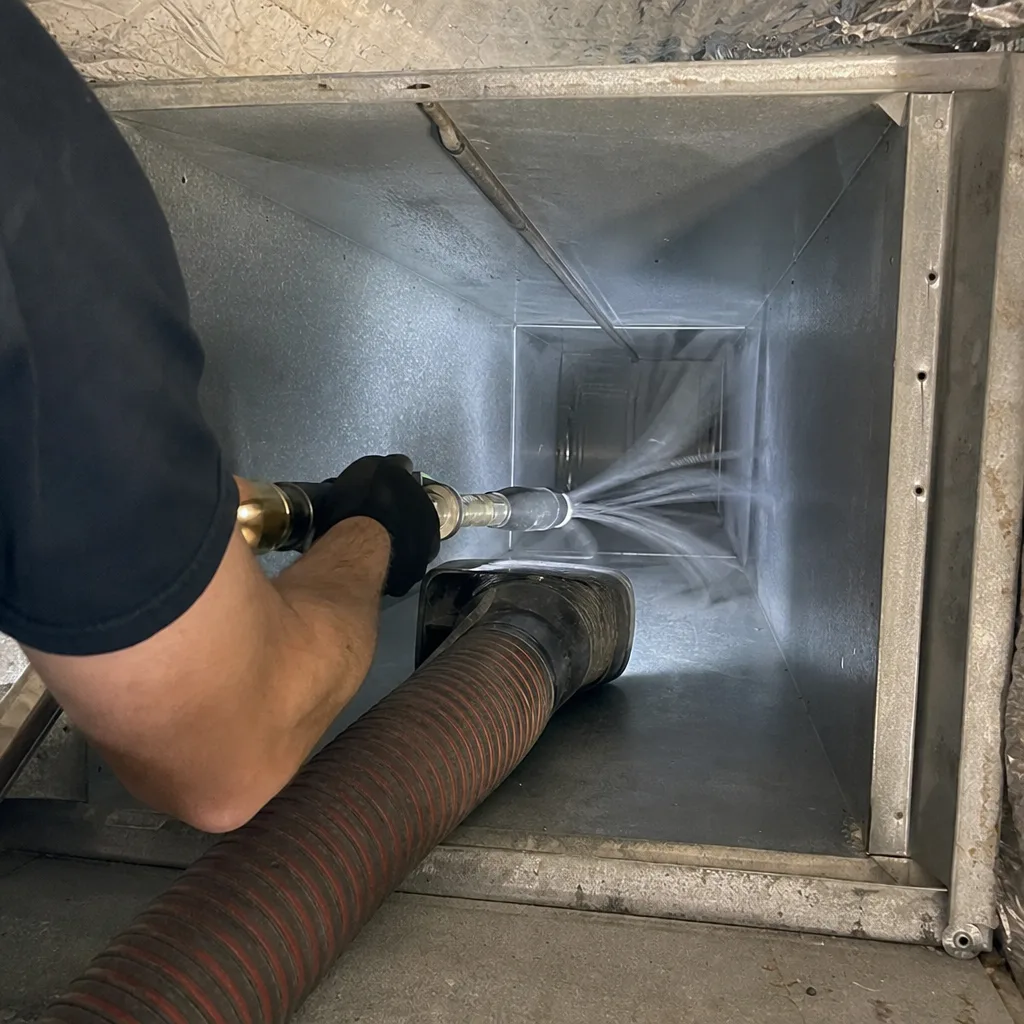
We’ve photographed summer duct conditions where dust that would have blown free in March was adhered like papier-mâché to the duct floor. Negative-pressure extraction, the method CleanRun employs using Abatement Technologies and Nikro equipment, can remove this material. But it requires longer contact time and more aggressive agitation than dry-season cleaning.
The more serious summer risk is microbial growth. Mold and mildew require four conditions: organic material, moisture, suitable temperature, and time. Cumming ducts in summer offer all four. The organic material is the accumulated debris of previous seasons. The moisture is the condensation described above. The temperature range (65-85°F inside ducts) is ideal. Time is the weeks between cooling cycles when air movement stops.
Homeowner actions for summer:
- Run the fan periodically: Even without cooling demand, 15-20 minutes of blower operation daily reduces stagnant zones where moisture accumulates.
- Check condensation lines: A clogged primary drain can back moisture into the plenum, the central distribution box where all duct runs connect.
- Monitor for musty odor at startup: This often indicates microbial activity in the first few feet of ductwork, where temperature differentials are greatest.
Homes in newer Cumming developments like Windermere, with tighter envelopes and variable-speed systems, experience less extreme humidity cycling. But they also have less natural infiltration to dilute indoor contaminants. The net effect: lower moisture in ducts, higher concentration of whatever enters.
Fall Pre-Heating Window: September Through October
Remember the October burning smell? Here’s the mechanism.
From June through September, your heating system’s heat exchanger, combustion chamber, and associated ductwork sit idle. Dust settles. Insects may enter and desiccate. If you had summer microbial growth, spores dry into lightweight particles. The first heating cycle in October - often triggered by a morning in the low 50s - raises surface temperatures above 120°F in seconds. Organic material combusts or volatilizes. You smell it within minutes.
This isn’t dangerous in most cases. It’s informative. It tells you the system needs cleaning before sustained heating begins.
The September pre-heating window is, in our assessment, the single most underscheduled service period in Cumming; for a full task list, see our Air Duct Cleaning Maintenance Checklist for Cumming Homeowners. Homeowners think about ducts in spring (allergies) or mid-summer (AC strain). They don’t think about them when the weather is pleasant and the system isn’t running. That’s exactly why September works: the ducts are dry, accessible, and the technician can photograph baseline conditions before the heating season loads them with combustion byproducts and recirculated particulate.
What a September cleaning should include for Cumming homes with gas furnaces:
- Visual inspection of the heat exchanger through borescope, where accessible
- Cleaning of the supply plenum, where summer dust has settled and will be first to burn
- Register removal and cleaning - the terminal point where heated air enters the room and where debris often accumulates visibly
- Photographic documentation of each duct run, before and after, as part of the standard job record
The cost of missing this window: a January service call for “something burning” when the real issue is three months of deferred cleaning, now complicated by continuous heating operation that makes scheduling interruption inconvenient.
Winter Particulate Loading: November Through February
Cumming winters are mild compared to northern climates, but they’re heating-dominant. From November through February, Forsyth County homes run furnaces or heat pumps in auxiliary mode for weeks without interruption. The house is closed. Windows stay shut. Fresh air enters only through whatever leakage the envelope allows.
Under these conditions, your ductwork becomes a closed-loop recirculation system. Whatever isn’t filtered, isn’t removed. It accumulates. The sources are different from summer:
- Combustion byproducts: Even well-tuned gas furnaces produce trace particulate. Heat exchanger micro-cracks, more common in systems over 12 years, can elevate this significantly.
- Fireplace ash: Wood-burning fireplaces in Cumming’s older neighborhoods, or even nearby outdoor fire pits, load the local air with fine particulate that enters through envelope leakage.
- Cooking byproducts: Tight winter homes without adequate range ventilation see grease aerosols drawn into returns.
- Biological debris: Humans shed skin cells; pets add dander. Without dilution, concentrations rise measurably.
The homeowner check for winter is simple: hold a white tissue against a supply register after 10 minutes of heating operation. Visible gray or black staining indicates particulate loading that filtration isn’t capturing. This isn’t a definitive test, but it’s a useful indicator of whether your January conditions warrant professional attention or can wait for the April window.
Homes with heat pumps and electric auxiliary strips don’t have combustion byproducts, but they have longer run times and more air movement. The loading pattern differs, not diminishes.
The Register Airflow Comparison Test: A Quarterly Homeowner Check
You don’t need equipment to detect partial duct blockages. You need a tissue, a timer, and consistency.
This test, which we teach Cumming homeowners during every service visit, compares airflow across registers to identify restrictions before they strain the blower or create comfort imbalances. It takes under 10 minutes.
- Close all interior doors and wait 5 minutes with the system running in its normal mode (heating or cooling, not fan-only).
- Select a reference register: Typically the one nearest the air handler, which should have the highest unobstructed airflow.
- Hold a single ply of tissue against the register face, not inserted into the duct. Time how many seconds until the tissue falls away when released. Record this.
- Repeat at every register in the home, using the same tissue ply and release method.
- Compare times: A register with significantly longer fall time (or where the tissue won’t adhere at all) indicates restriction in that duct run. A 50% or greater difference from the reference warrants professional inspection.
What restricts a duct run seasonally:
- Spring: Pollen mat at the first elbow or at the register itself
- Summer: Humidity-compacted debris, or in extreme cases, microbial growth blocking airflow
- Fall: Accumulated dust from idle months, especially in rarely-used rooms
- Winter: Filter bypass debris that has migrated past a poorly-seated filter
Perform this test in March, June, September, and December. The seasonal comparison is as valuable as any single result. If your June test shows register 3 at 4 seconds and your September test shows it at 12 seconds, something loaded that run during summer. The photo record from a professional cleaning will show you exactly what.
Cumming’s Construction Boom and Your Duct Schedule
Forsyth County was among Georgia’s fastest-growing counties from 2015-2023. That growth continues in corridors along GA-400, Bethelview Road, and the Kelly Mill area. If your home is within half a mile of active construction, your duct loading profile differs fundamentally from established neighborhoods.
Construction particulate is distinct from residential debris. It includes:
- Silica dust from concrete cutting and masonry work
- Wood framing sawdust, finer and more abrasive than typical household dust
- Drywall compound dust (calcium sulfate), which becomes hygroscopic and clings to duct walls when humidity rises
- Landscaping topsoil and erosion sediment during initial grading
These materials are denser, more abrasive, and more likely to overwhelm standard filtration than typical household debris. We’ve photographed duct runs in homes near active Cumming developments where the pre-cleaning debris layer was 40% construction material by volume, identifiable by its gray-white color and gritty texture against the darker organic household dust.
The schedule adjustment: if you can see active construction from your property, or if your home was itself built within the last 24 months, shorten standard cleaning intervals by 30-40%. A home in an established Vickery cul-de-sac might reasonably schedule biennial cleaning. An identical floor plan near a new Bethelview development should consider annual service, with particular attention to pre-cooling and pre-heating windows.
New construction homes have an additional consideration: builder’s cleaning of ducts is often superficial. We’ve found drywall compound in new home duct runs three years after occupancy, where the initial “cleaning” was a shop vacuum at the register face, not negative-pressure extraction through the full run. The Air Duct Cleaning in Cumming page details what complete new-construction duct cleaning should include.
What Technicians Should Photograph for a Longitudinal Record
A single cleaning documents a moment. A photo record across multiple visits documents a trend. That trend has value beyond the immediate service.
At CleanRun, we’ve photographed every duct run on every job since 2013. The equipment has evolved - we now use digital borescopes with 1080p capture and LED illumination - but the practice hasn’t. Here’s what a proper seasonal record includes, and why each element matters:
| Photograph Location | What It Shows | Longitudinal Value |
|---|---|---|
| Return grille (exterior) | Visible accumulation, filter condition | Filter maintenance compliance; pet hair loading if pets added |
| First return duct section | Debris depth at system entry point | Seasonal loading rate; effectiveness of filtration upgrades |
| Plenum interior | Central distribution box condition | System-wide contamination events (water intrusion, construction dust) |
| Each supply duct run (2-3 feet in) | Run-specific debris profile | Register-by-register comparison; identification of problem runs |
| Register face and neck | Terminal condition, paint integrity | Cosmetic damage from cleaning; need for register replacement |
| Post-cleaning verification | Same angles, cleared condition | Proof of work scope; baseline for next visit comparison |
The customer receives these images as part of the standard job record, not as an upsell. Haven Standard Clause 1 requires written pricing before work; the photo record is the documentation that the priced work was performed.
Why longitudinal records matter: A homeowner who cleans in April 2024 and April 2026 can compare the two image sets. If the 2026 return duct shows heavier loading despite identical occupancy and habits, something changed - filtration degradation, envelope leakage, nearby construction, or system imbalance. The photos make the invisible visible and the debatable factual.
For Cumming homes near active development, we specifically flag construction material in the photo notes. This creates documentation for potential builder or developer warranty claims if dust loading exceeds reasonable thresholds.
Common Mistakes to Avoid
- Scheduling cleaning mid-season: July duct cleaning in Cumming means working with humid, sticky debris and interrupting cooling when you need it most. The pre-season windows exist for practical reasons.
- Trusting “whole house” quotes without duct count: A 2,000 square foot home with 8 duct runs and one with 14 runs are different jobs. Pricing should reflect actual scope, not square footage guessing.
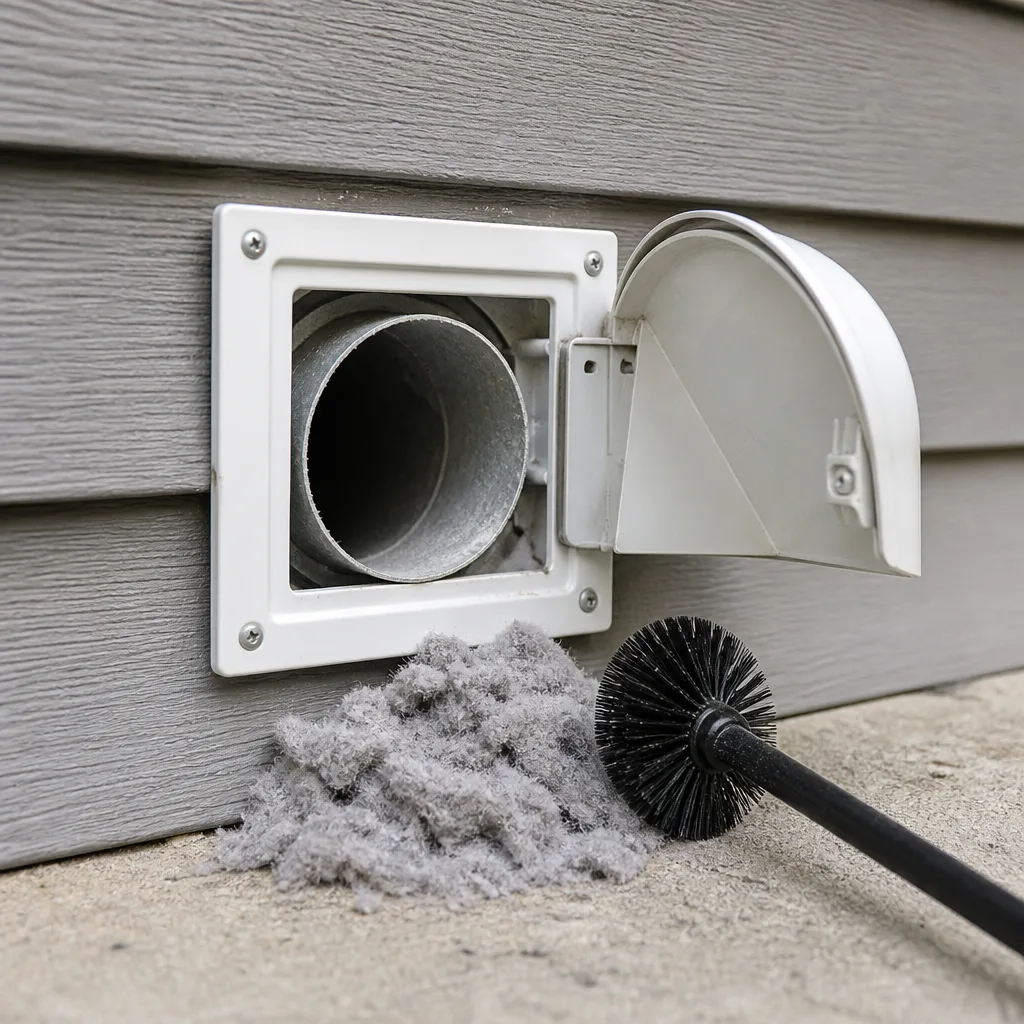
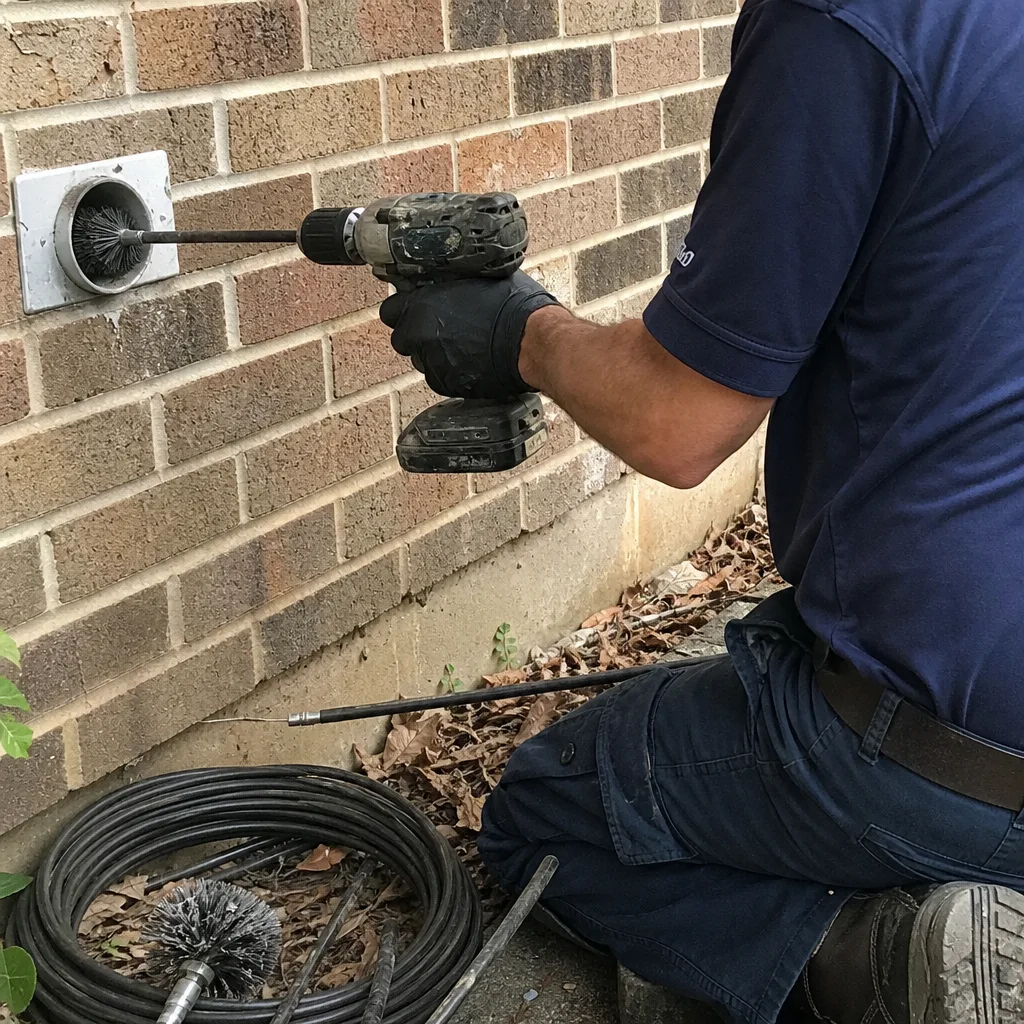
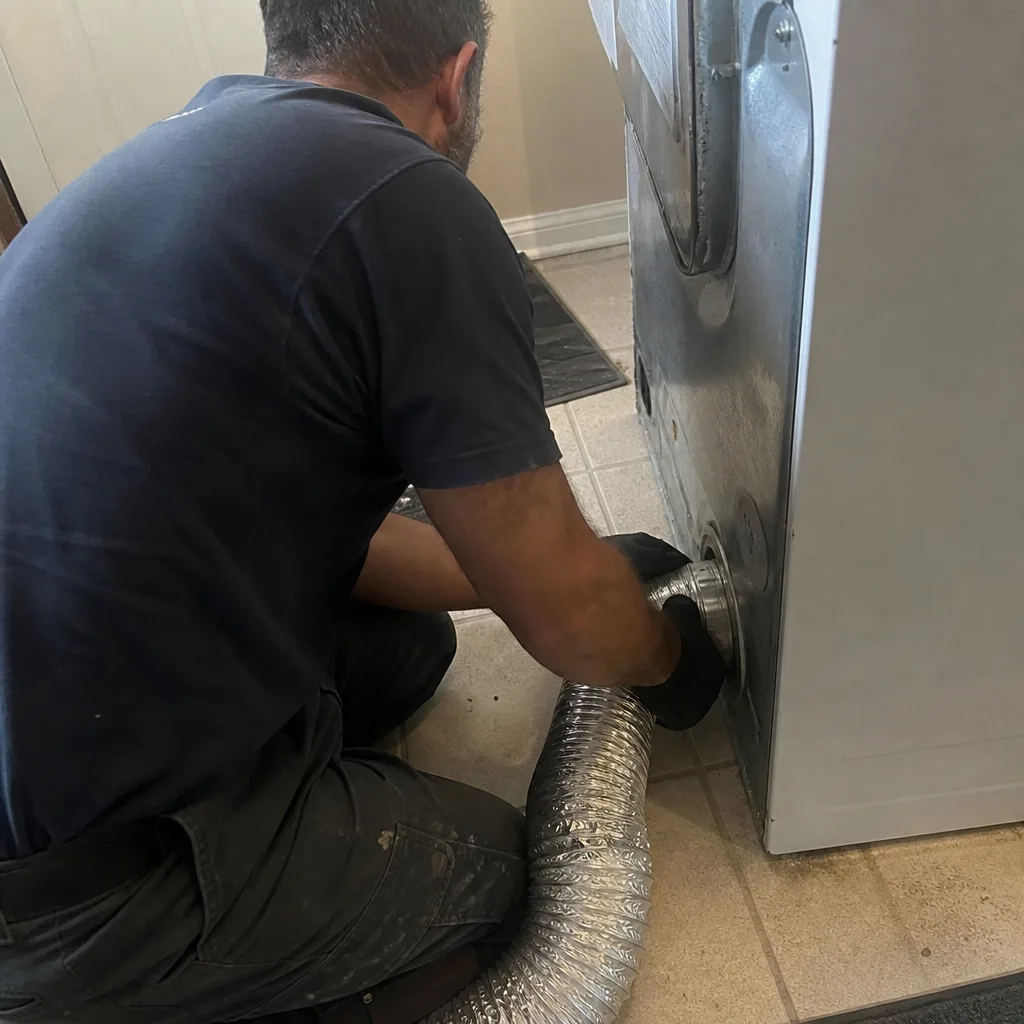
- Ignoring the dryer vent: Spring pollen and summer humidity load dryer vents too, and lint-plus-pollen is a more severe fire risk than lint alone. Dryer Vent Cleaning in Cumming should share the seasonal calendar.
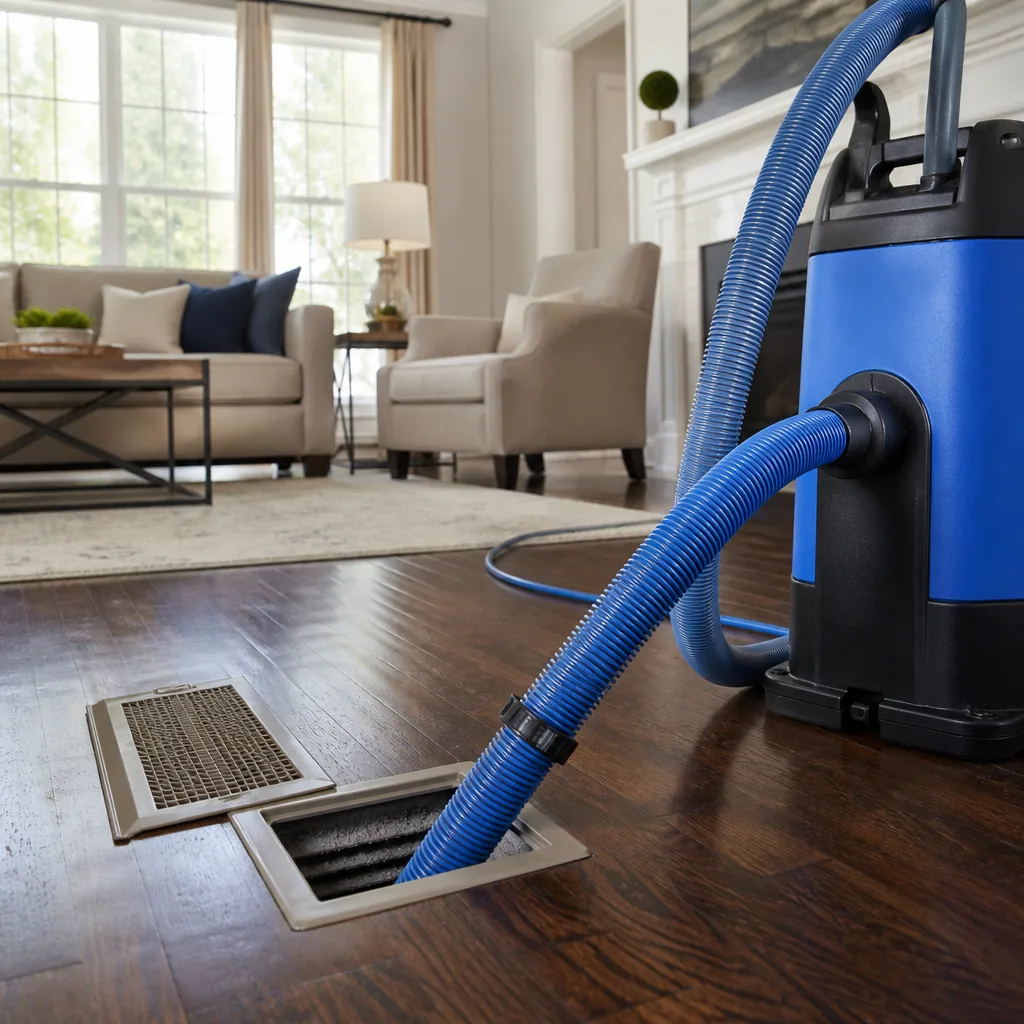
- Using register vacuums as duct cleaning: Devices that insert 6 inches into the register neck clean the neck, not the run. We’ve photographed runs that looked pristine at the opening and held 2 inches of debris at the first elbow.
- Skipping fall service because “the system looks fine”: The October burning smell is a symptom of accumulated summer debris. Waiting for symptoms means waiting for problems.
- Neglecting HVAC component cleaning: The air handler, coil, and blower wheel accumulate the same debris as ducts. HVAC Cleaning in Cumming addresses the full system, not just the distribution network.
When to Call a Professional
Call when the register airflow test shows 50% or greater variation between registers, when you detect musty odor at system startup, when visible debris accumulates at supply registers within 30 days of cleaning, or when your home is within active construction proximity and it’s been more than 12 months since service. Also call after any water intrusion event affecting the HVAC system, including condensate drain backups or roof leaks into ductwork.
CleanRun Air Duct Cleaning Cumming offers free estimates in Cumming. Every estimate includes a written price before any work begins, under Haven Standard Clause 1. Call (678) 693-5322 to schedule. Technicians are background-checked, uniformed, and identified by name before arrival, per Haven Standard Clause 3: Verified Crews.
Frequently Asked Questions
Whole-system air duct cleaning for a typical Forsyth County home ranges from $450 to $850, depending on duct count, accessibility, and contamination level; see our Air Duct Cleaning Cost Breakdown: The Cumming Homeowner’s Reference for 2026 for detailed pricing factors. CleanRun provides a written price before any work starts - no exceptions - so the quote you receive is the price you pay. Call (678) 693-5322 for an exact quote; estimates are free.
The $79-$149 coupon model typically covers register vacuuming of 3-5 ducts, not full-system cleaning. The upsell arrives after the crew is in your home. CleanRun’s pricing is flat per system, agreed in writing before work begins, with no per-vent add-ons. The photo record proves the scope delivered.
Ask for photographic documentation of every duct run, before and after. CleanRun includes this as standard on every job, delivered with the invoice. If a company can’t show you what was in your ducts, you can’t verify what was removed.
Established homes in neighborhoods like Vickery or Windermere with no nearby construction typically need service every 2-3 years, with the critical windows being April and September. Homes near active development, new construction under 24 months old, or households with multiple pets should consider annual service. The register airflow test each quarter helps determine if you’re on track.
Yes. Forsyth County’s summer humidity regularly exceeds 75% relative humidity, and metal ductwork in unconditioned attics experiences condensation that makes debris adhesive and promotes microbial growth. We’ve documented mold colonization in Cumming ducts where summer humidity combined with spring pollen deposits created ideal growth conditions.
Duct cleaning addresses the distribution network: supply and return duct runs, plenum, and registers. HVAC cleaning includes the air handler components: blower wheel, evaporator coil, and heat exchanger. A complete system approach addresses both, since a clean duct network connected to a contaminated air handler recontaminates within days. CleanRun Air Duct Cleaning Cumming home outlines both services.
The Bottom Line
Cumming’s climate delivers distinct duct loading each season: pine pollen in spring, humidity-driven adhesion in summer, reactivation debris in fall, and concentrated recirculation in winter. The homeowners who spend least on duct maintenance long-term are those who match service timing to these patterns - April and September cleanings, quarterly register checks, and adjusted intervals for homes near active construction. Documentation matters: written prices before work, photographic records after, and longitudinal comparison across visits. Anything less leaves you guessing about what’s inside your walls.
Written by Tomas Reyes, Owner at CleanRun Air Duct Cleaning Cumming, serving Cumming since 2013.