
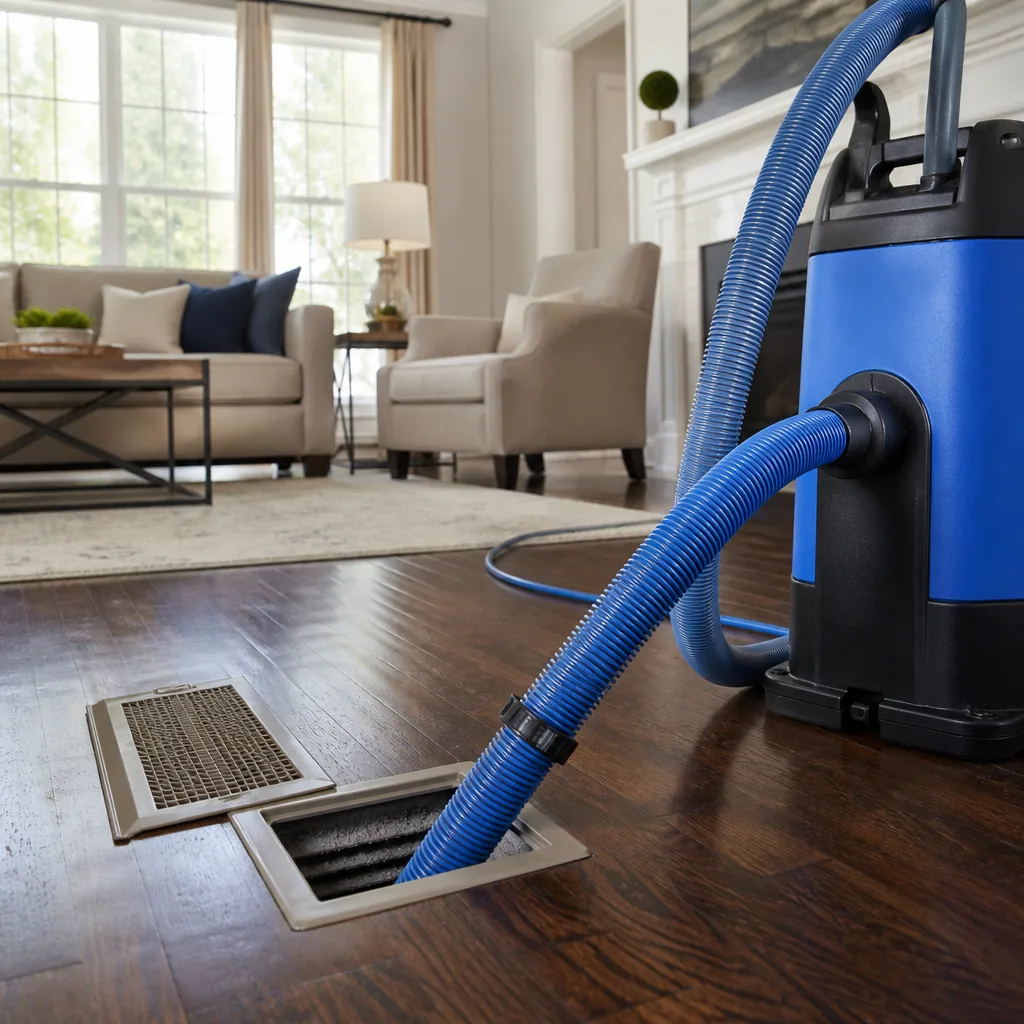
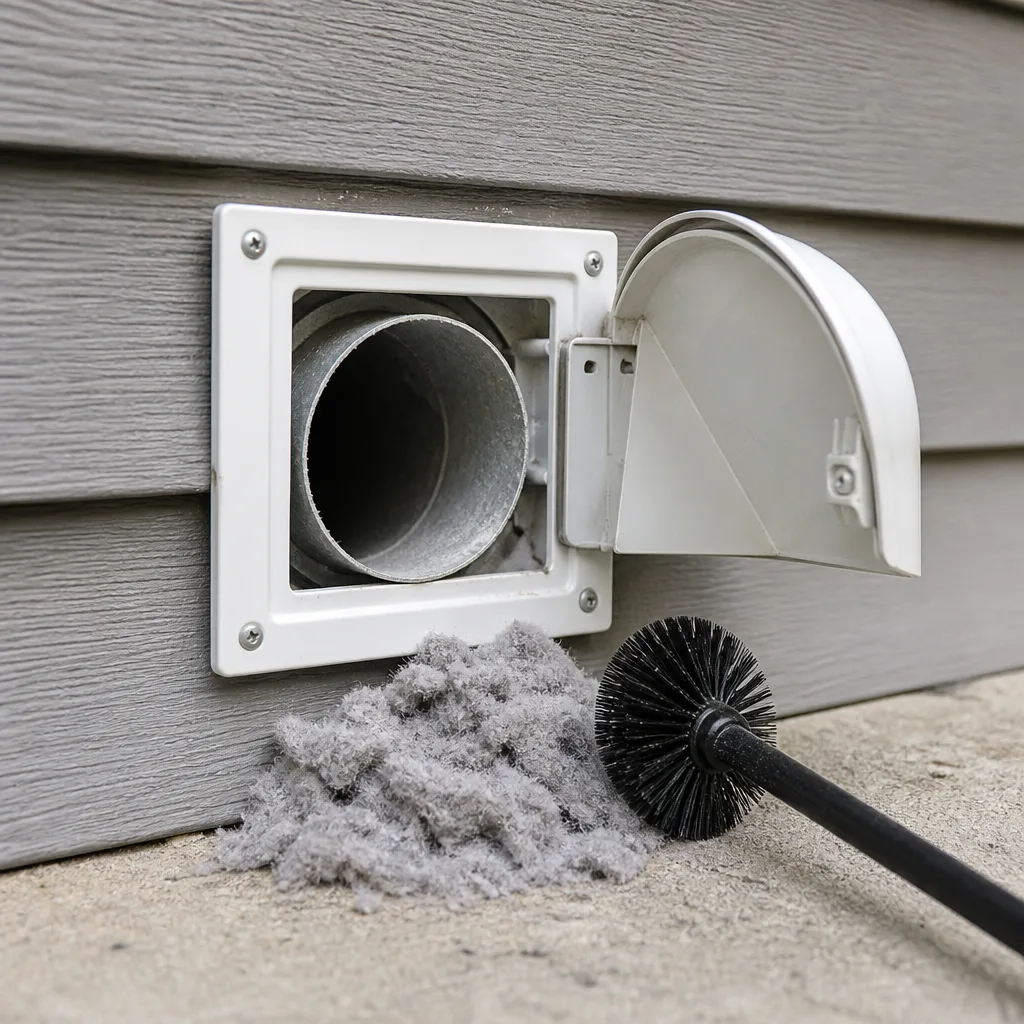
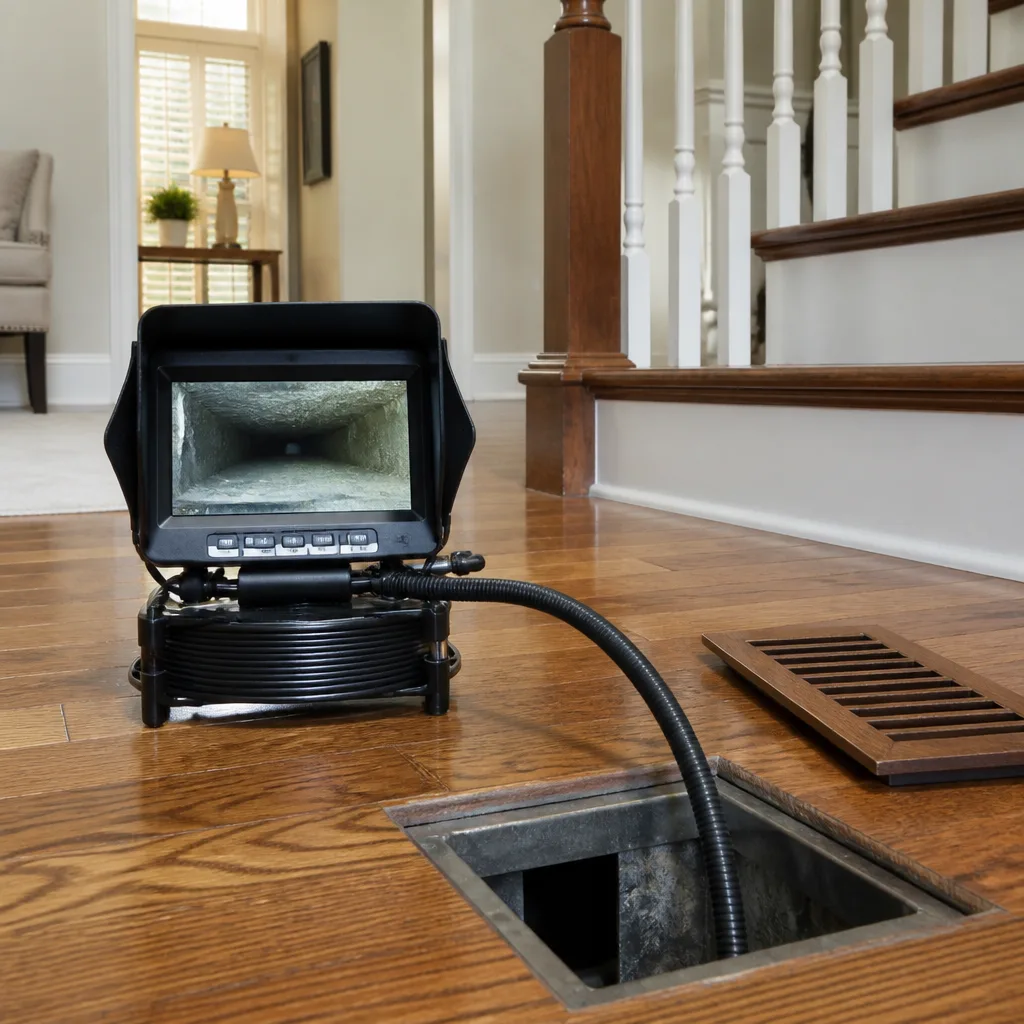
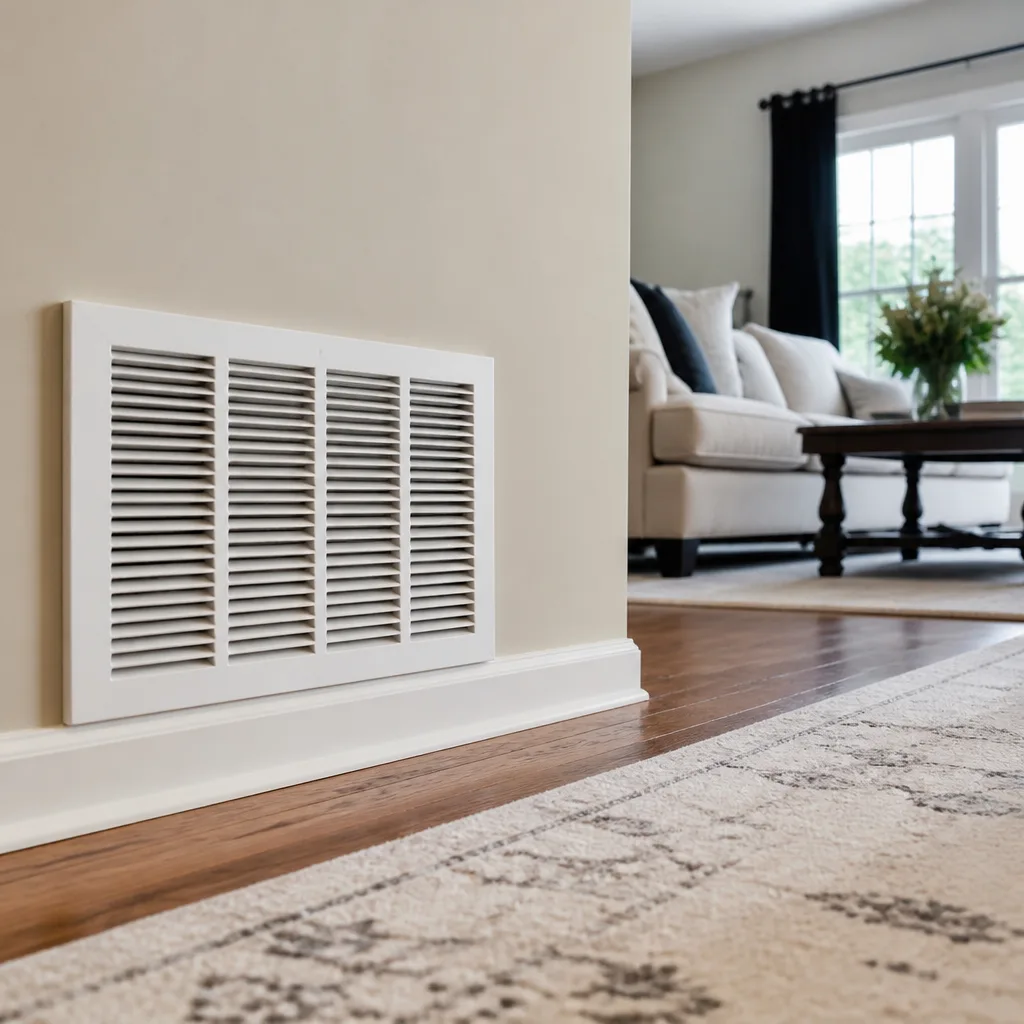
Whole-system duct and dryer vent check with before-and-after photos - you see exactly what came out of your vents
That "$99 whole-house special" is a bait ad - the real number appears once they are in your hallway, or the "clean" is a shop-vac at the register. We photograph the inside of your ducts before and after instead.
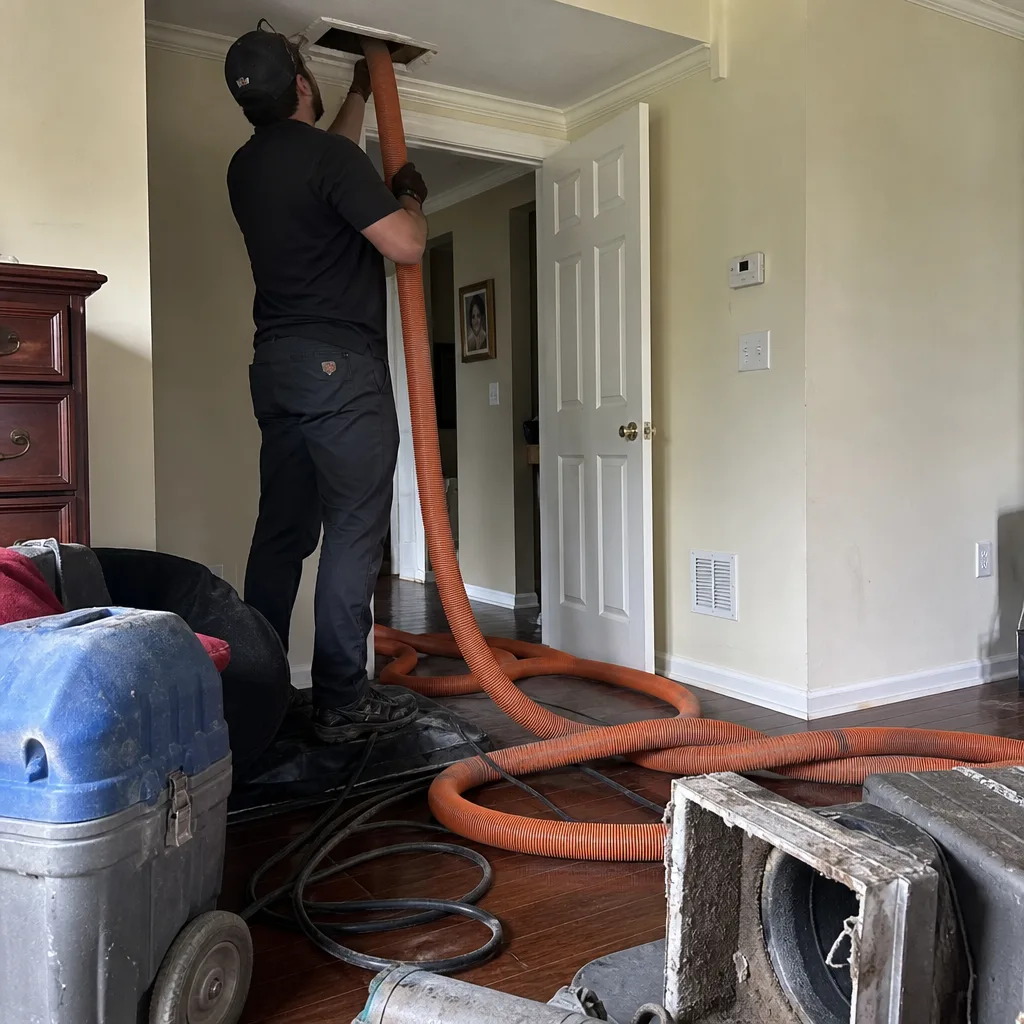 Before
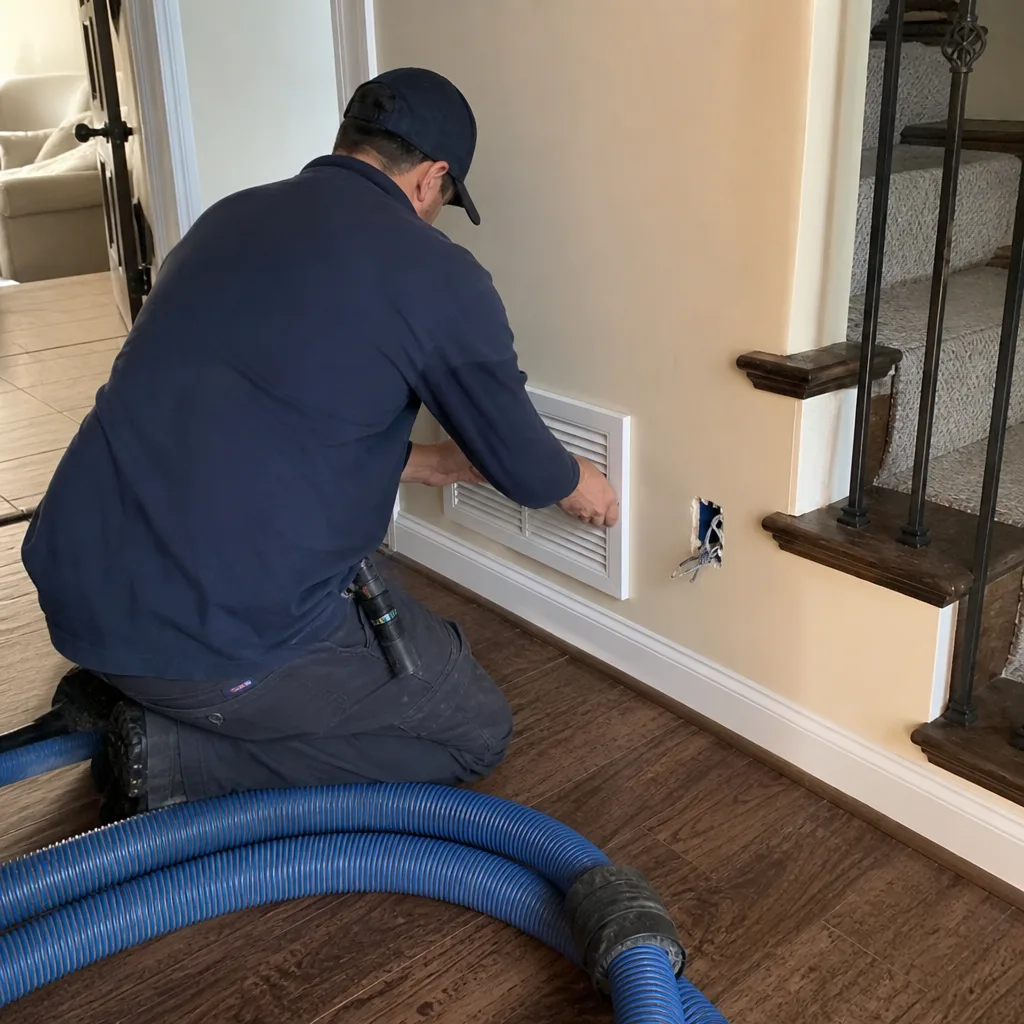 After
After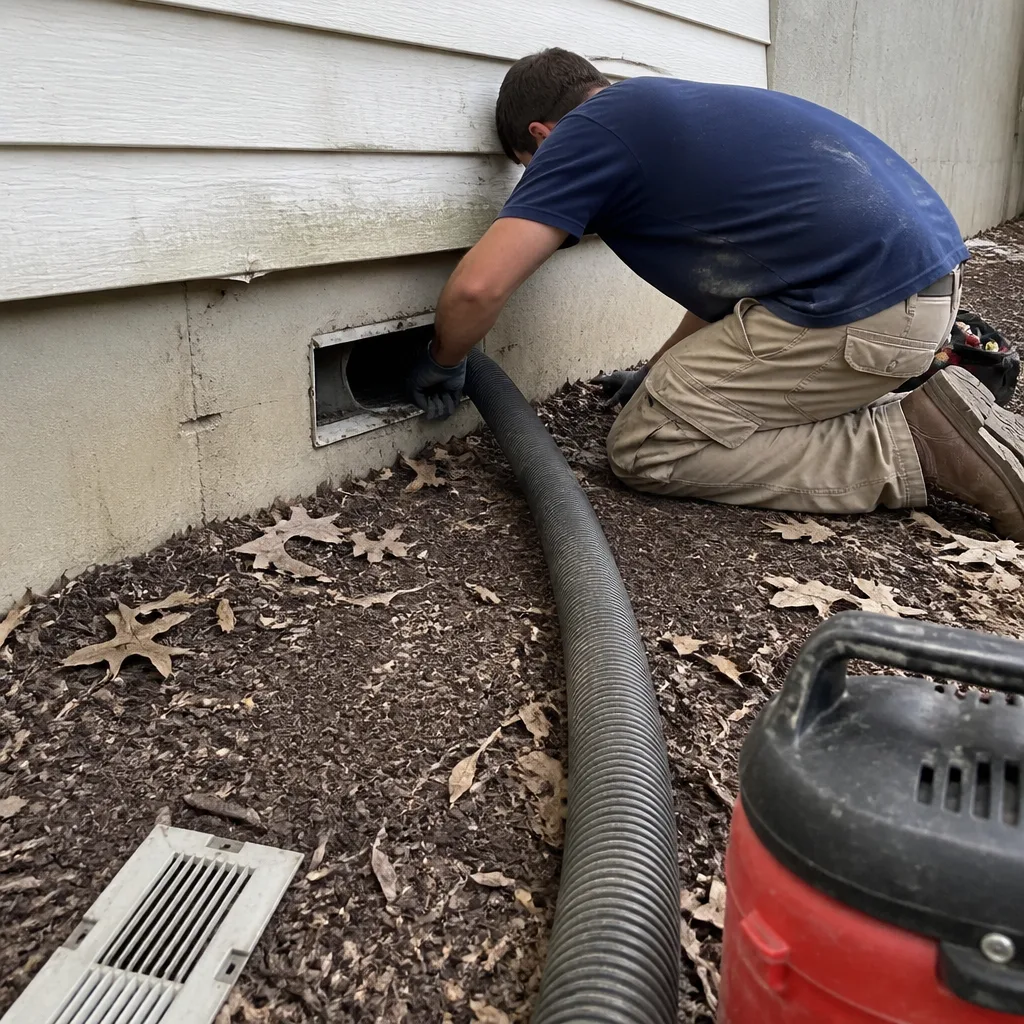 Before
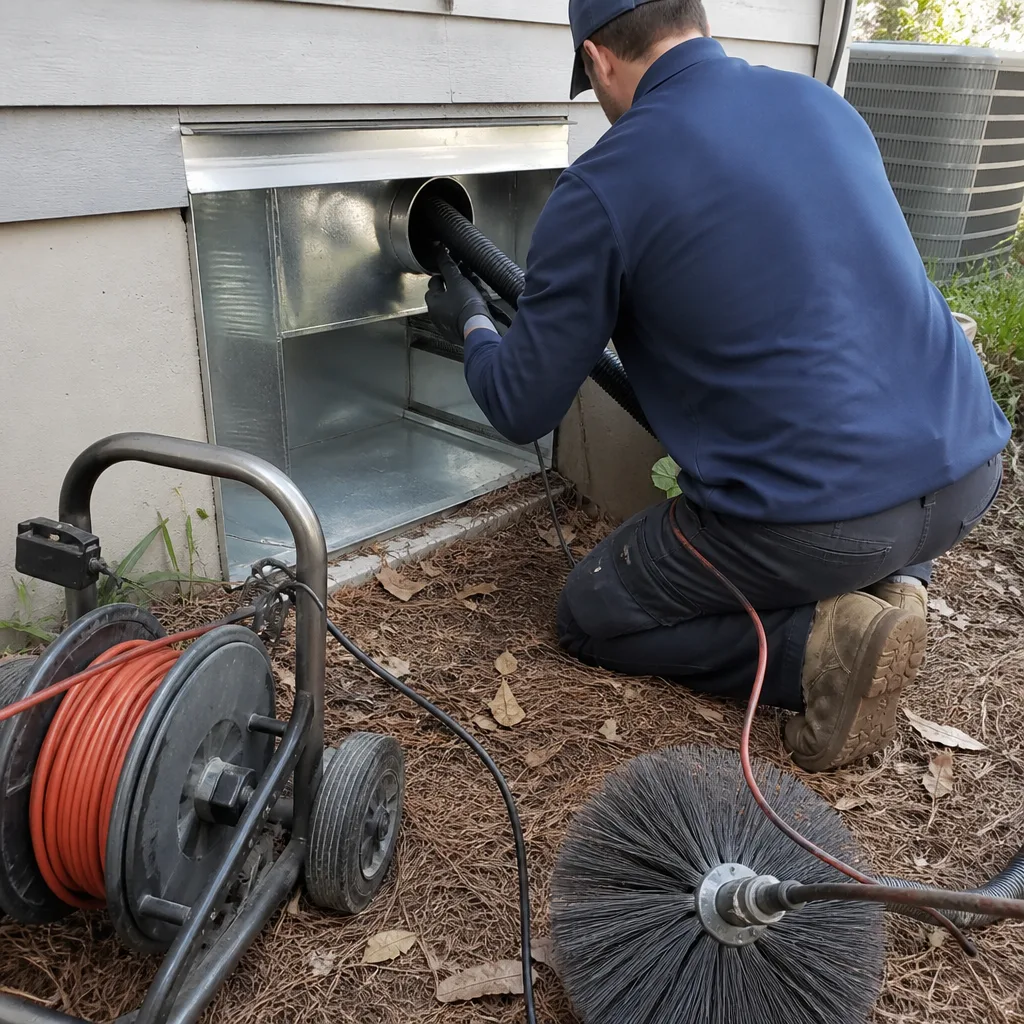 After
After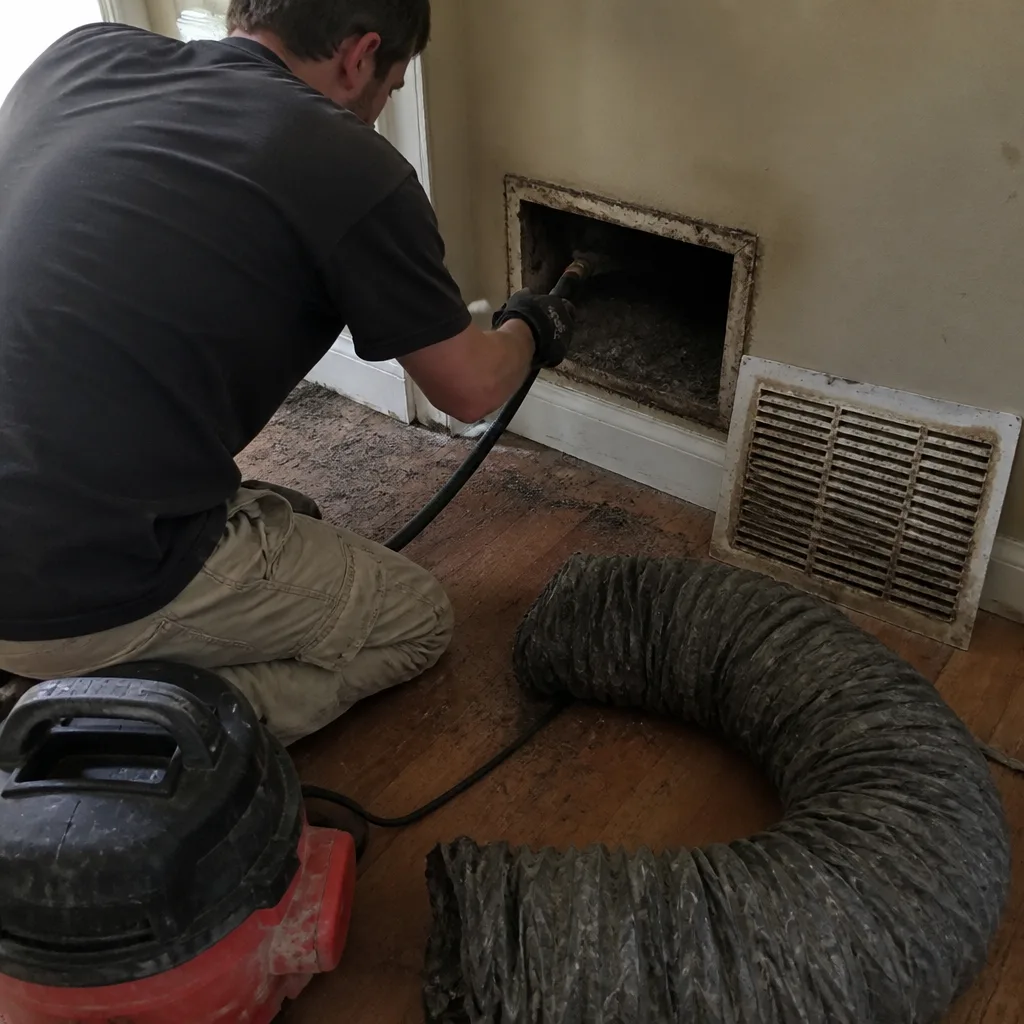 Before
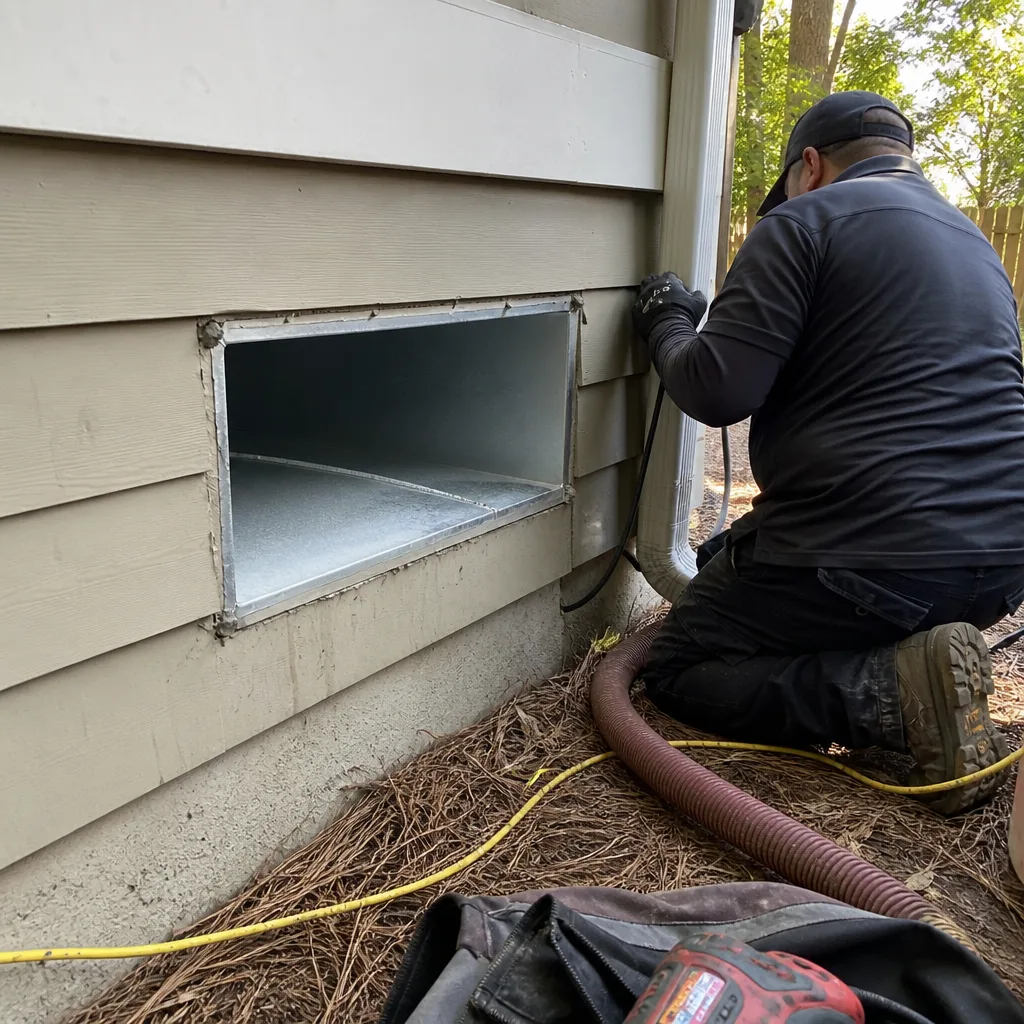 After
AfterGuardsman Coil Cleaning: The Cumming Owner’s Guide
We stock and install Guardsman-compatible coil cleaning systems for residential HVAC units in Cumming, with typical installed pricing between $340 and $680 depending on system size and accessibility. Most Guardsman coil jobs we run in Forsyth County are completed same-day because the equipment travels on our trucks. You’ll usually discover the problem when your upstairs vents start pushing weak, warm air in July while the thermostat never reaches its setpoint, or when you notice a musty, locker-room smell every time the compressor kicks on.
Which Guardsman Models This Applies To
Guardsman coils fall into three residential series: the CM-1000 line for 1.5-2.5 ton split systems, the CM-2000 line for 3-5 ton units, and the older CM-800 series still found in Cumming homes built between 2005 and 2012, particularly in the Vickery subdivision and along Bethelview Road. The model number is stamped on a metal tag at the coil cabinet, usually on the upstream side near the plenum connection. You’ll see a format like “CM-2000-48” where the final digits indicate the nominal BTU capacity in thousands.
The compatibility gotcha we see most often in Cumming is mixing CM-2000 coils with aftermarket condensers rated for R-410A versus the older R-22 refrigerant. The tube spacing differs by 3/16 inch, enough to cause leaks at the flare joints within two seasons. We carry both OEM Guardsman coils and quality aftermarket equivalents from Aspen and ADP, but we match refrigerant type and tube pitch before quoting, not after the cabinet is open. For a system still under manufacturer warranty, OEM is the safer play. For out-of-warranty units, a matched aftermarket coil with verified tube geometry often runs 30-40% less with equivalent performance.
Signs Your Guardsman Coil Cleaning Is Failing
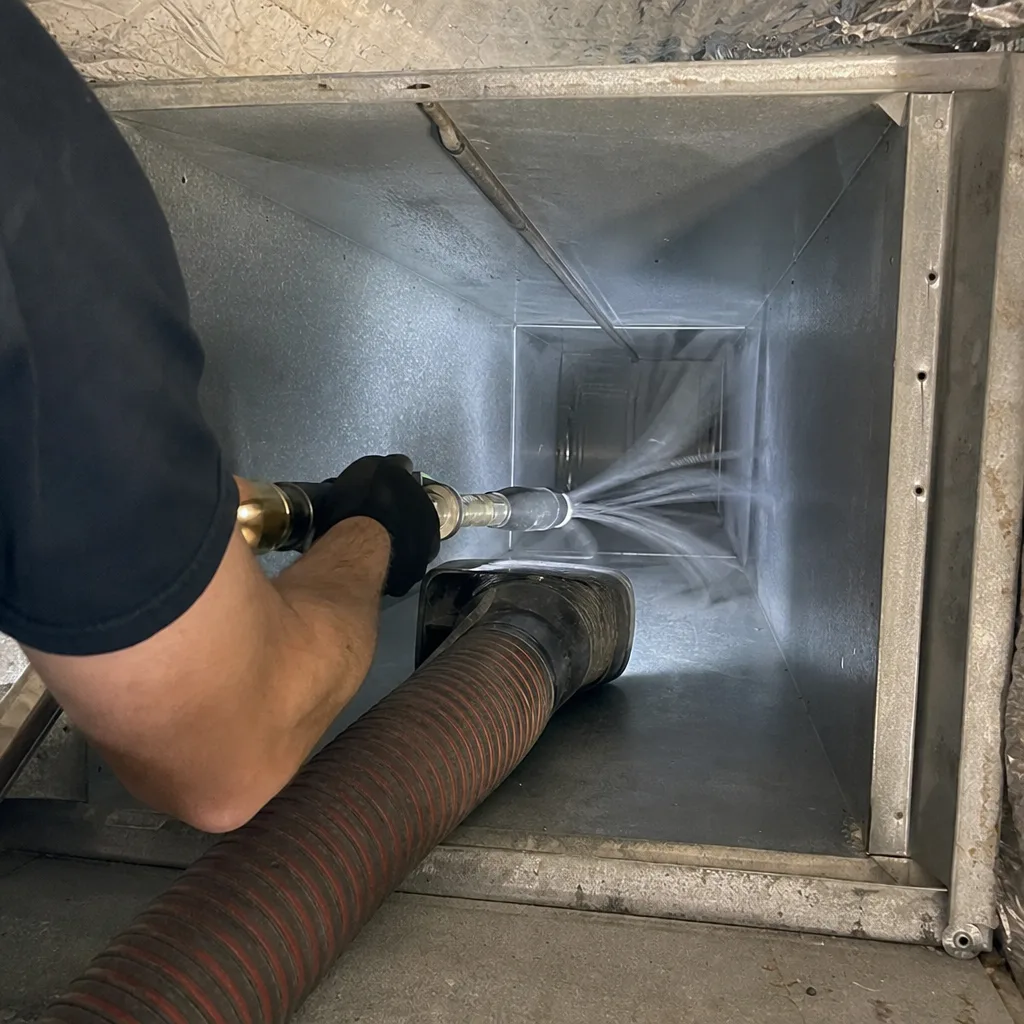
- Weak airflow from upstairs registers. The evaporator coil sits in the plenum above your furnace or air handler, and when its fins are packed with dust and biological growth, air can’t pass through efficiently. In Cumming’s two-story homes, this shows up first at the second-floor registers because the blower is already working hardest to overcome static pressure.
- Ice formation on the refrigerant lines. A dirty coil can’t absorb heat properly, so the refrigerant stays too cold and freezes at the suction line. We’ve photographed ice jackets two inches thick on July afternoons in Cumming, and the compressor keeps running until it trips on thermal overload or burns out entirely.
- Musty or sour smell when the system cycles on. The combination of Forsyth County’s high summer humidity and organic debris on the coil creates a biofilm that releases odors when the blower pushes air across it. The camera doesn’t have an opinion - it just shows you what’s in there, and what we usually find is a gray-green mat coating the fins between the third and seventh row.
- System runs continuously without reaching setpoint. Because heat transfer is compromised, the thermostat never satisfies. Your electric bill climbs while comfort drops, and the extra runtime accelerates wear on the compressor and blower motor.
- Water stains on the ceiling below the air handler. A dirty coil often has a partially blocked condensate drain as well, since the same biofilm migrates into the pan and P-trap. When the pan overflows, it finds the path of least resistance, which is usually a drywall seam in the hallway ceiling.
BeforeAfterReplacement Cost & What’s Included
| Service Component | Price Range in Cumming |
|---|---|
| Guardsman coil cleaning, standard 1.5-2.5 ton system | $340-$480 |
| Guardsman coil cleaning, 3-5 ton system | $480-$680 |
| Condensate pan and drain cleaning (if needed) | $85-$140 |
| Biocidal treatment of coil and plenum | $120-$180 |
What drives the range is physical access. Coils in a horizontal attic air handler with a 24-inch crawl path take longer to reach than those in a vertical closet unit. Our price includes the cleaning itself, a documented photo record of the coil condition before and after, reassembly, and a written test of system pressures and temperature split. We do not quote per-vent or per-fin pricing. One flat price per system, agreed in writing before we touch a panel, under Haven Standard Clause 1. The 365-Day Done Right Promise covers the workmanship, and we publish our license number on every proposal so you can verify status with the Georgia Secretary of State.
DIY or Call Us?
There’s a safe middle ground and a hard stop. What you can do: check your filter, verify the condensate drain isn’t visibly clogged at the exterior termination, and listen for whether the blower is running at all. These checks cost nothing and rule out simple issues.
Where DIY goes wrong: the evaporator coil lives under positive pressure in a sealed plenum, and accessing it requires recovering refrigerant or pumping down the system, depending on configuration. Without proper evacuation and recharge, you’ll introduce non-condensables that destroy the compressor. The fins are aluminum and deform under anything stiffer than a soft-bristle brush rated for HVAC use. We’ve been called to Cumming homes where a homeowner’s foaming cleaner stripped the protective coating and started galvanic corrosion that required full coil replacement within 18 months. For the refrigerant handling alone, EPA Section 608 certification is legally required. We’re not saying this to discourage you from understanding your system. We’re saying it because a failed compressor turns a $400 cleaning into a $2,400 replacement, and we’ve documented the aftermath more than once.
If you’re seeing the symptoms above, call (678) 693-5322. We’ll give you a written price before any work starts, and you’ll get the photo record to verify what was actually done.
FAQs
In Forsyth County’s climate, with pollen seasons running March through May and high humidity from June through September, a properly cleaned coil stays clear for 18 to 30 months under normal conditions. Homes with shedding pets, recent renovation dust, or supply registers that never get vacuumed tend toward the shorter end. We recommend inspection every two years, documented with photography so you can compare buildup over time rather than guessing. Call (678) 693-5322 to schedule - estimates are free.
No. Once the fins are corroded or the tubes are leaking at the U-bends, cleaning won’t restore heat transfer or seal the refrigerant circuit. We can clean a coil with intact fins and sound tubing. We cannot clean our way out of physical damage, and we’ll show you the camera evidence before recommending replacement. Call (678) 693-5322 for an honest assessment.
Most residential Guardsman coil cleanings in Cumming take 90 minutes to 2.5 hours from arrival to final system test. Access difficulty is the main variable. A pull-and-clean in a closet-mounted air handler moves faster than a horizontal attic unit where we need to rig temporary work platforms. We quote time expectations in writing with the price, so you’re not watching the clock. Call (678) 693-5322 to book.
Yes. Our trucks carry Guardsman OEM and matched aftermarket coils, Aspen and ADP equivalents, plus the flaring tools, nitrogen purge rigs, and recovery equipment needed for proper installation. For coil cleaning specifically, we stock foaming cleaners rated for aluminum-copper compatibility, fin combs, and biocidal treatments. We also carry Rotobrush, Nikro, and Abatement Technologies equipment for full ductwork cleaning when the coil condition indicates upstream contamination. Call (678) 693-5322 - if your system is Guardsman, we likely have what it needs already on the truck.
Written by Tomas Reyes, Owner, CleanRun Air Duct Cleaning Cumming at CleanRun Air Duct Cleaning Cumming, serving Cumming and nearby areas.